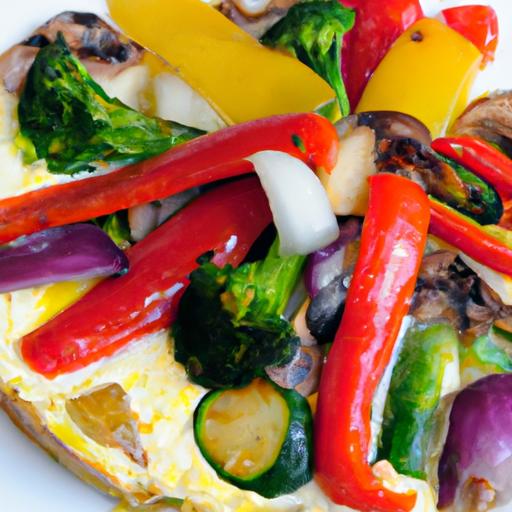

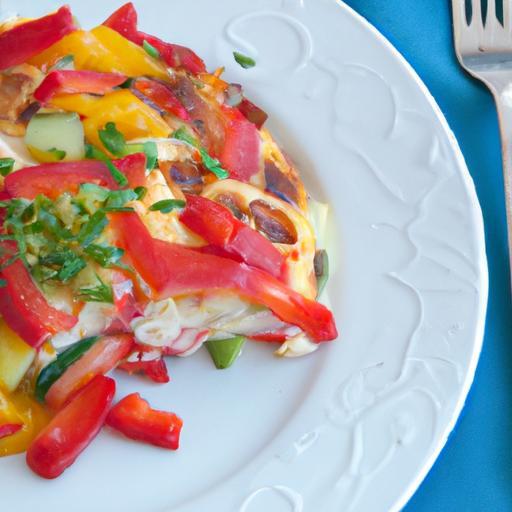
Sun-drenched coasts, vibrant markets bursting with fresh produce, and a culinary tradition rooted in simplicity and flavour-this is the essence of the Mediterranean lifestyle. At the heart of this vibrant cuisine lies the Greek vegetable frittata, a rustic yet elegant dish that transforms humble ingredients into a symphony of taste and color. In “Mediterranean delight: Crafting the Perfect Greek Vegetable Frittata,” we’ll journey through the art of layering garden-fresh vegetables, fragrant herbs, and creamy eggs to create a dish that’s as nourishing as it is delightful. Whether savored for breakfast, lunch, or a light dinner, this frittata captures the spirit of Greece’s sun-kissed kitchens in every bite. Join us as we explore the secrets to crafting this timeless Mediterranean treasure, where tradition meets wholesome goodness on a single plate.
Mediterranean Delight: Crafting the Perfect Greek Vegetable Frittata begins with choosing the freshest, most vibrant ingredients that embody the sun-kissed essence of the Mediterranean.Imagine biting into a dish where the crispness of garden-fresh zucchini meets the earthy sweetness of roasted red peppers, all woven together by the creamy tang of feta cheese. This is a celebration of balance-balancing textures, aromas, and flavors to create an authentic and unforgettable Greek vegetable frittata.
Prep and Cook time
- Planning: 15 minutes
- Cooking: 25 minutes
- Total Time: 40 minutes
Yield
Serves 4 generous portions
Difficulty Level
Easy to Medium – perfect for both weeknight dinners and extraordinary brunch spreads
Ingredients
- 8 large eggs, at room temperature
- 1 medium zucchini, diced into ¼-inch cubes
- 1 red bell pepper, finely chopped
- 1 small red onion, thinly sliced
- 2 cloves garlic, minced
- 1 cup cherry tomatoes, halved
- ½ cup crumbled feta cheese
- 3 tablespoons extra-virgin olive oil
- 2 tablespoons fresh parsley, finely chopped
- 1 tablespoon fresh dill, chopped
- Salt and freshly ground black pepper, to taste
- 1 teaspoon dried oregano
Instructions
- Whisk the eggs in a large bowl until frothy and well combined. Season with salt, pepper, and dried oregano. Set aside.
- Heat 2 tablespoons of olive oil in a non-stick ovenproof skillet over medium heat. Add the diced zucchini, red bell pepper, and sliced onion. Sauté until softened and lightly golden, about 7 minutes, stirring occasionally to build layers of flavor.
- Add the minced garlic and halved cherry tomatoes to the pan.Cook for an additional 2 minutes until fragrant, while making sure the tomatoes stay plump but don’t break down.
- Reduce the heat to low and pour the whisked eggs evenly over the vegetables.Tilt the pan slightly to spread the mixture. Sprinkle the crumbled feta cheese on top, followed by the fresh parsley and dill.
- Cook gently for 5-7 minutes without stirring. As the edges begin to set, use a spatula to loosen them slightly, allowing uncooked egg to flow underneath and promote even cooking.
- Transfer the skillet to a preheated oven at 375°F (190°C). Bake for 8-10 minutes until the frittata is set, puffed, and lightly browned on top.
- Remove from the oven and let it cool for a few minutes before slicing. This resting step ensures a tender, fluffy texture that holds beautifully.
tips for success
- For the lightest frittata, use room temperature eggs and whisk vigorously to incorporate air.
- Fresh herbs like dill and parsley add vivid aroma-don’t skimp on them!
- If you don’t have an ovenproof skillet, transfer the egg mixture gently into a greased baking dish before baking.
- Customize your vegetable mix to seasonality: try spinach, artichokes, or even asparagus.
- Make-ahead tip: prepare the vegetable sauté the night before, then quickly combine and bake fresh the next day.
Mediterranean Delight: Creative Serving Suggestions
present this dish warm or at room temperature atop a rustic wooden board, garnished with fresh parsley sprigs and a scattering of toasted pine nuts for an extra crunch.Drizzle a little high-quality extra-virgin olive oil just before serving and pair with a crisp cucumber and tomato salad dressed lightly with lemon juice and oregano. A side of crusty whole-grain bread or warm pita rounds out the meal beautifully.
For a luxurious finish, add dollops of creamy Greek yogurt or tzatziki alongside the slices to complement the frittata’s savory notes.
| Nutritional Info (per serving) | Calories | Protein (g) | Carbs (g) | Fat (g) |
|---|---|---|---|---|
| Greek Vegetable Frittata | 280 | 18 | 8 | 20 |
For more Mediterranean inspiration and vegetable-forward recipes, visit our Mediterranean recipes collection and deepen your culinary journey. Discover the health benefits of fresh ingredients by exploring resources like the Healthline Mediterranean Diet Guide.

Q&A
Q&A: Mediterranean Delight – Crafting the perfect Greek Vegetable Frittata
Q1: What makes a Greek vegetable frittata different from a regular frittata?
A1: The Greek vegetable frittata is a vibrant celebration of Mediterranean flavors. Unlike a standard frittata,it embraces conventional ingredients like feta cheese,sun-ripened tomatoes,kalamata olives,and fresh herbs such as oregano and dill.These elements infuse the dish with a tangy, savory character that evokes sunny Greek kitchens and seaside tavernas.Q2: Which vegetables are ideal for a Greek vegetable frittata?
A2: The key is to use vegetables that are fresh, colorful, and bursting with flavor. Zucchini, bell peppers, red onions, and spinach are staples, adding both texture and nutrition.Roasted eggplant or artichoke hearts can be a luxurious touch, creating a more authentic Mediterranean medley.Q3: How do I ensure the frittata is perfectly cooked without becoming dry?
A3: Achieving that silky, tender custard-like texture requires gentle heat and patience. Start by sautéing the vegetables just until softened,then pour in beaten eggs mixed with crumbled feta and herbs.Cook over medium-low heat until the edges begin to set, then transfer to the oven or slide under the broiler to finish the top without overcooking. The trick is to remove it while it still jiggles slightly-it will continue to cook from residual heat.
Q4: Can I prepare the frittata in advance?
A4: Absolutely! greek vegetable frittatas are excellent served warm, room temperature, or even cold, making them superb for picnics or light meals on the go.Prepare it the day before and reheat gently, or enjoy it straight from the fridge with a drizzle of extra virgin olive oil and a sprinkle of fresh herbs.
Q5: What would be an ideal accompaniment to this frittata?
A5: Keep the Mediterranean vibes flowing with a crisp, green salad dressed in lemon and olive oil, crusty rustic bread, or even a side of tzatziki for creamy coolness. A chilled glass of white wine or a refreshing iced herbal tea can elevate the experience to true Greek delight.
Q6: Any tips for making the frittata vegan or dairy-free?
A6: To keep it dairy-free, swap feta with a plant-based cheese option or toss in sautéed mushrooms for umami depth. Use a chickpea flour batter mixed with water and a pinch of turmeric to mimic the egg’s binding power. Loading up on herbs and spices can ensure the Mediterranean spirit shines through without sacrificing flavor.
Q7: Why is olive oil so important in this recipe?
A7: Olive oil is the golden heart of Mediterranean cooking. It enriches the frittata with a fruity, peppery aroma and helps gently cook the vegetables, enhancing their natural sweetness. choosing a high-quality extra virgin olive oil truly makes a difference, transforming the dish from ordinary to extraordinary.
Crafting the perfect Greek vegetable frittata is both an art and a joyful homage to Mediterranean simplicity. With fresh ingredients,careful technique,and a touch of passion,you’ll bring a taste of Greece right to your table. Opa!
Final Thoughts
As the vibrant flavors of sun-ripened tomatoes, briny olives, and fragrant herbs come together in your Greek vegetable frittata, you’re not just creating a meal-you’re crafting a celebration of Mediterranean simplicity and freshness.This versatile dish invites you to embrace the art of balanced, wholesome cooking, where every bite tells a story of sunshine-soaked landscapes and time-honored traditions. Whether enjoyed as a hearty breakfast,a light lunch,or a satisfying dinner,your frittata is a delicious reminder that the best ingredients,combined with a touch of care,can transform any day into a Mediterranean delight. So go ahead-slice, savor, and let your kitchen bask in the warmth of Greece’s culinary embrace.