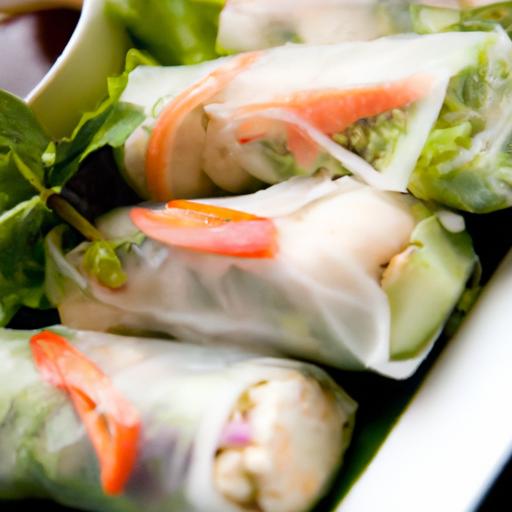

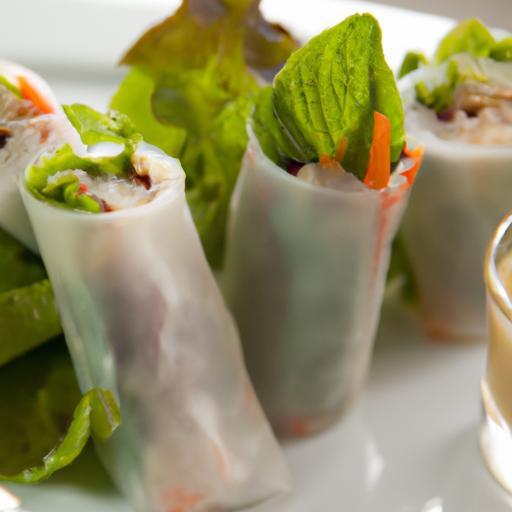
Crisp, colorful, and bursting with vibrant flavors, rice paper spring rolls are a culinary canvas that blends freshness with artistry. These delicate parcels, wrapped in translucent sheets of rice paper, invite a harmonious dance of fresh herbs, crunchy vegetables, succulent proteins, and zesty sauces. More than just an appetizer, they embody a tradition of simplicity and balance-offering a bite that is as nourishing as it is indeed delightful.in this exploration of the art of rice paper spring rolls, we’ll uncover the secrets to crafting these fresh and flavorful delights, celebrating both their cultural heritage and their endless versatility at your kitchen table.
Fresh and Flavorful: The Art of Rice Paper Spring Rolls
Fresh and flavorful spring rolls capture the essence of light, vibrant cuisine that tantalizes both the eyes and the palate. Originating from Southeast Asia,this versatile dish melds crisp vegetables,tender proteins,and fragrant herbs,all wrapped delicately in translucent rice paper. As a culinary creator and stylist, I’ve found that mastering the art of rice paper spring rolls turns a simple meal into a stunning, fresh experience thatS as enjoyable to make as it is to eat.
Prep and Cook Time
- Preparation: 20 minutes
- Cooking (Optional fillings): 10 minutes
- Total time: 30 minutes
Yield
6 servings (2 spring rolls per person)
difficulty Level
Easy to Medium – perfect for cooking enthusiasts looking to impress with elegance and freshness.
Ingredients
- 12 rice paper wrappers (8-inch diameter)
- 1 cup cooked shrimp, sliced in half lengthwise
- 1 cup cooked vermicelli noodles, cooled
- 1 cup shredded carrots
- 1 cup thinly sliced cucumber (seeded for less moisture)
- 1 cup fresh mint leaves
- 1 cup fresh cilantro leaves
- 1 cup butter lettuce leaves, torn into small pieces
- 1/2 cup bean sprouts, rinsed and drained
- Optional protein: thinly sliced cooked chicken or tofu (1 cup)
Instructions
- Prepare your station: Fill a large shallow bowl or dish with warm water.Have a clean damp kitchen towel ready on a flat surface for rolling.
- Soften the rice papers: Submerge one rice paper in warm water for 10-15 seconds just until pliable-do not over-soak to avoid tearing.
- Lay out the softened wrapper: Place it carefully on the damp towel.
- Layer the fillings: In the lower third of the wrapper, arrange a small handful of noodles, shrimp halves (arranged neatly for visual appeal), a sprinkle of shredded carrots, cucumber strips, herbs, bean sprouts, and lettuce.
- Roll with precision: Fold the sides of the wrapper inward gently, then roll tightly upward from the bottom, keeping the ingredients snug.This technique ensures a crisp, neat roll that holds together even when served later.
- Repeat: continue this process with the remaining wrappers and fillings.
- Serve promptly or cover: Keep finished rolls under damp towel if serving slightly later to maintain moisture without sogginess.
Chef’s Notes and Tips for Success
- Ingredient freshness: Use crisp, fresh vegetables and aromatic herbs-this is key to vibrant flavor and texture.
- Balanced flavors: The sharpness of mint and cilantro pairs beautifully with sweet shrimp and mild noodles.
- Rolling tip: Avoid overfilling to prevent tearing, and roll firmly but gently to maintain crispness and aesthetic appeal.
- make-ahead: Spring rolls are best eaten within a few hours of preparation. Wrap individually in plastic wrap and refrigerate up to 4 hours.
- protein swaps: grilled chicken, smoked tofu, or even thinly sliced roast beef enrich these rolls while keeping them fresh.
Serving Suggestions
Present each spring roll sliced diagonally on a vibrant platter garnished with extra fresh herbs and edible flowers for a feast for the eyes. Pair with small bowls of dipping sauces-each adding a contrasting burst of flavor, from tangy to creamy.
Innovative Dipping Sauces to Elevate Your rice Paper Experience
- Classic peanut sauce: creamy, slightly sweet, with a hint of lime and chili.
- Tamari-ginger dip: savory with subtle heat from fresh grated ginger and garlic.
- Spicy mango salsa dip: fruit-forward with a kick, blending mango puree, chili flakes, and lemon zest.
Creative Variations to Customize Your Fresh Spring Roll Creations
- vegan vibrant: replace shrimp with marinated tempeh and add roasted sweet potato cubes.
- Crunch factor: add toasted peanuts or crispy fried shallots inside or on top for texture contrast.
- Bold international twist: incorporate kimchi or pickled daikon for a punch of umami and tang.
| Nutrient | Per Serving |
|---|---|
| Calories | 180 kcal |
| Protein | 12 g |
| Carbohydrates | 20 g |
| fat | 3.5 g |
For a deeper dive into vibrant Asian-inspired dishes, check our Asian Cuisine Basics guide. To learn more about the cultural heritage and health benefits of herbs used in these spring rolls, visit Victor Chang Cardiac Research institute.

Q&A
Q&A: Fresh and Flavorful – The Art of Rice Paper Spring Rolls
Q1: What makes rice paper spring rolls so uniquely fresh and flavorful?
A1: The magic lies in the delicate rice paper wrapper-a translucent, tender embrace that allows the vibrant colors and crisp textures of fresh herbs, crunchy vegetables, and succulent proteins to shine through. Unlike fried rolls, these are marvels of freshness, celebrating the purity of each ingredient without overpowering heat, making every bite a refreshing, flavorful experience.
Q2: How do I prepare rice paper so it’s perfectly pliable but not too sticky?
A2: The trick is in the dipping time and water temperature. Briefly soak the rice paper in warm water-just enough to soften but not drown it. About 5 to 10 seconds usually suffices. Over-soaking makes the paper fragile; under-soaking leaves it stiff. The goal is a supple, slightly tacky sheet that’s easy to roll without tearing or sticking excessively.
Q3: What are the essential ingredients inside a conventional Vietnamese-style spring roll?
A3: Traditional rolls often feature a harmonious medley: fresh mint, cilantro, and Thai basil; crunchy julienned carrots and cucumber; vermicelli noodles for texture; and protein like cooked shrimp, grilled pork, or tofu. All nestled inside that whisper-thin rice paper wrapper, they embody balance – herbaceous, savory, sweet, and crisp.
Q4: Can rice paper spring rolls be adapted for different dietary preferences?
A4: Absolutely! The blank canvas of rice paper invites creativity. Vegetarian and vegan options thrive using tofu, tempeh, or roasted veggies. Seafood lovers can incorporate smoked salmon or crab. Even fruit lovers can experiment with mango,avocado,or strawberry for a sweet-and-savory twist. The key is freshness and complementary textures.
Q5: What dipping sauces best complement the delicate flavors of rice paper spring rolls?
A5: Classic accompaniments elevate the experience. Nuoc cham, a tangy Vietnamese fish sauce blend with lime, garlic, and chili, offers a zesty punch. Peanut sauce brings creamy, nutty warmth-perfect for those who prefer mild richness. Soy-based or hoisin dips can add sweet and savory notes. Each sauce unlocks a new facet of the roll’s flavor profile.
Q6: How can I master the rolling technique to ensure every spring roll stays intact?
A6: Think of rolling like folding a delicate present.Lay your ingredients in a neat line near the edge of the hydrated rice paper, fold the sides in tightly to enclose the filling, then roll upward with gentle, even pressure. Avoid overfilling and take your time-practice makes perfect, and soon you’ll craft rolls that hold together as beautifully as they look.
Q7: Why are rice paper spring rolls a perfect dish for summer gatherings?
A7: They’re light, refreshing, and visually stunning-a feast for the eyes and palate. Served cold, they offer a cool respite from the heat. Plus, the interactive process of rolling and dipping makes them a fun communal activity, bringing friends and family together over shared flavors and hands-on creativity.
Q8: Any tips on storing leftover rice paper spring rolls?
A8: Rice paper doesn’t fare well with prolonged storage-it tends to dry out or become gummy. It’s best to eat spring rolls fresh. If you must store them, wrap each roll individually in plastic wrap to retain moisture and refrigerate for up to a day. Serve chilled or at room temperature for best taste.
Discover the art behind these fresh,flavorful rice paper spring rolls,and you’ll unlock a world of culinary creativity wrapped in delicate simplicity!
To conclude
As we’ve unwrapped the vibrant layers of rice paper spring rolls,it’s clear that these delicate parcels are much more than just a light snack-they’re a canvas for creativity,a celebration of fresh ingredients,and a testament to culinary tradition. Whether you favor crisp veggies, succulent shrimp, or a burst of herbs, mastering the art of assembling these rolls invites endless experimentation and delight. So next time you crave something fresh and flavorful, remember: the humble rice paper spring roll holds a world of texture, taste, and artistry just waiting to be rolled up and enjoyed. Happy rolling!