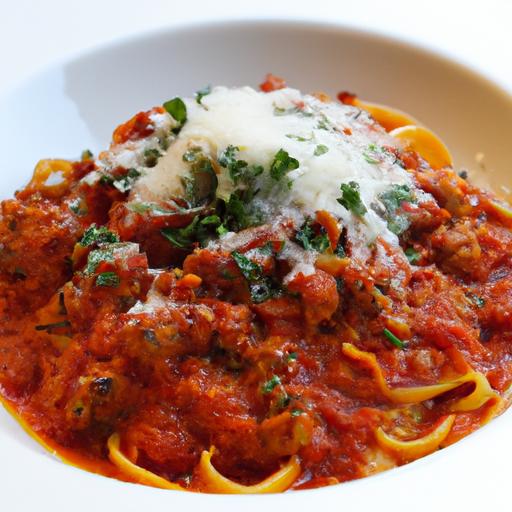

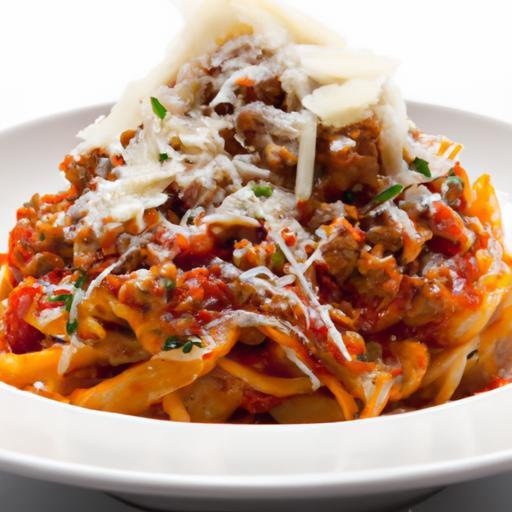
In the heart of Italy’s Emilia-Romagna region lies a culinary treasure that has tantalized taste buds and inspired home cooks worldwide: Bolognese sauce. Frequently enough whispered about in kitchens as the ultimate comfort food, this rich, savory ragù carries a story as layered and complex as its flavors. But what truly sets Bolognese apart from other tomato-based sauces? Beyond its simmering pot of ground meat and aromatic vegetables lies a tapestry of tradition, technique, and regional pride.Join us as we unravel the secrets behind Italy’s iconic sauce-delving into its history, ingredients, and the artful patience that transforms humble staples into a timeless classic known and loved across the globe.
Bolognese Unveiled: Secrets Behind Italy’s Iconic Sauce invites you to dive deep into the heart of Italian culinary tradition-an artful blend of patience, technique, and passion. This iconic meat sauce, originating from Bologna’s rich gastronomic heritage, has transcended borders, evolving through generations while staying true to its soulful essence.I still remember the aromatic comforts filling my grandmother’s kitchen as she slowly coaxed every flavor from fresh ingredients, transforming humble cuts of meat into a velvety, deeply savory masterpiece. Today,we honor that timelessness while empowering you to master this classic with confidence and flair.
Prep and Cook Time
- Planning: 20 minutes
- Cooking: 3 hours (slow simmering essential!)
- Total Time: approximately 3 hours 20 minutes
Yield
Serves 6 to 8 hearty portions, perfect for sharing and savoring every bite.
Difficulty Level
Medium – a rewarding project for home cooks eager to refine technique and patience.
Ingredients
- 2 tablespoons extra-virgin olive oil
- 4 tablespoons unsalted butter
- 1 medium onion, finely diced
- 2 medium carrots, finely diced
- 2 celery stalks, finely diced
- 4 ounces pancetta or unsmoked bacon, finely chopped
- 1 pound ground beef (preferably chuck)
- 1/2 pound ground pork
- 1/2 pound ground veal (optional but traditional)
- 1 cup whole milk
- 1 cup dry white wine
- 28 ounces (800g) canned San Marzano tomatoes, crushed by hand
- Salt and freshly ground black pepper, to taste
- 1 teaspoon fresh nutmeg, grated
- 1 bay leaf
- Water or broth, as needed
instructions
- Warm the fat: In a heavy-bottomed pot over medium heat, melt the butter together with olive oil. This blend ensures a rich mouthfeel without overpowering the delicate vegetables.
- Sauté soffritto: Add the finely diced onion, carrot, and celery to the pot. Sauté until softened and translucent, about 8-10 minutes, stirring regularly for even cooking.
- Add pancetta: Stir in the chopped pancetta and cook until lightly crisp, releasing flavorful fat that infuses the sauce with depth.
- Brown the meat blend: Increase heat to medium-high. Add the ground beef, pork, and veal (if using). Break the meat apart with a wooden spoon,and cook until thoroughly browned with no pink remaining. This step unlocks the sauce’s umami foundation-resist the urge to rush.
- Pour in milk: add the milk gradually, stirring and letting it simmer gently until mostly absorbed. Milk tenderizes the meat and smooths acidity later introduced by tomatoes.
- Deglaze with wine: Pour in the white wine, scraping up browned bits from the pot’s bottom. Let it simmer until the liquid reduces by half.
- Incorporate tomatoes and aromatics: Stir in crushed tomatoes, fresh nutmeg, bay leaf, and season lightly with salt and pepper.
- Simmer low and slow: Reduce heat to very low, partially cover the pot, and allow the sauce to gently bubble for at least 3 hours. Stir occasionally and add small splashes of water or broth if it starts to dry out. the slow simmer coalesces flavors and gives the sauce its signature richness.
- Final seasoning: Taste and adjust salt, pepper, or nutmeg. Remove bay leaf before serving.
Chef’s Notes
- Meat blend matters: Combining beef, pork, and veal mimics traditional Ragu alla Bolognese’s nuanced taste. If veal is unavailable, increase pork slightly for tenderness.
- Milk is transformative: Don’t skip the milk step-even a splash rounds out acidity and brings silkiness to your sauce.
- Slow simmer is non-negotiable: Resist raising the heat to speed cooking; low warmth gently develops complex, layered profiles integral to authenticity.
- Make ahead: Sauce improves overnight in the fridge as flavors meld! Freeze portions up to 3 months for convenience.
- Vegetarian note: for a plant-based twist, explore mushrooms and lentils as substitutes, though traditionalists may prefer to keep beef and pork.
Serving Suggestions
This Bolognese sauce pairs beautifully with fresh tagliatelle, pappardelle, or even classic fettuccine, allowing the delicate ribbons to hug every luscious bite of meat and tomato. garnish with freshly grated Parmigiano-Reggiano and a sprinkle of fresh basil or flat-leaf parsley to highlight herbal brightness.
For an authentic touch, serve alongside crusty Italian bread to soak up those irresistible saucy morsels, or with a light green salad dressed in lemon and olive oil to balance richness.

Nutritional Information per Serving
| Calories | Protein | Carbs | Fat |
|---|---|---|---|
| 350 kcal | 28 g | 10 g | 22 g |
discover more italian classics and elevate your kitchen confidence in our Italian Pasta Recipes Collection. For past context and expert insights on regional Italian sauces, visit Encyclopaedia Britannica – Bolognese Sauce.
Q&A
Q&A: Bolognese Unveiled – Secrets Behind Italy’s Iconic Sauce
Q1: what exactly is bolognese sauce, and how does it differ from other Italian sauces?
A1: At its core, Bolognese-known in Italy as Ragù alla Bolognese-is a meat-based sauce originating from Bologna. Unlike simpler tomato-centric sauces like marinara, Bolognese is a slow-cooked symphony of ground meat, soffritto (onion, carrot, celery), a splash of wine, milk or cream, and just enough tomatoes to balance the richness. It’s hearty, layered, and unapologetically savory-a true comfort in a bowl.
Q2: Why does traditional Bolognese include milk or cream?
A2: This is one of Bolognese’s secret weapons! Milk or cream helps to tenderize the meat and soften the acidity of the tomatoes and wine, creating a luscious, velvety texture. This subtle dairy addition gives the sauce a gentle sweetness and a smooth mouthfeel, elevating it beyond a simple meat sauce.Q3: Can you use any type of meat for Bolognese?
A3: While classic Bolognese uses a blend of beef and pork, the key lies in slow cooking ground or finely chopped meats to develop depth. Some traditional recipes even incorporate pancetta or veal.The meat should be rich and fatty enough to yield flavor but balanced so it doesn’t overwhelm the delicate soffritto base.Q4: Is Bolognese traditionally served with spaghetti?
A4: Ah, the worldwide myth! Italians typically pair ragù alla bolognese with tagliatelle-a broad, flat pasta that holds onto the chunky sauce beautifully. It’s also a star ingredient in lasagne alla Bolognese. Spaghetti might be popular globally, but for purists, tagliatelle is the crown jewel.
Q5: How long should Bolognese be cooked for authentic flavor?
A5: Patience is paramount. Traditional Bolognese simmers gently for at least two to three hours,frequently enough longer. this slow braise allows the flavors to meld,the meat to tenderize,and the sauce to thicken into that rich,unctuous consistency that defines authenticity.
Q6: Are there common misconceptions about Bolognese sauce?
A6: Many! One big myth is that Bolognese is just a meaty tomato sauce-when in fact, tomatoes play a supporting role rather than starring.Another misunderstanding is that it’s a quick-fix sauce; Bolognese demands time, attention, and respect to reach its full potential. Also, it’s not garlic-heavy like some Italian-American variations-garlic is often minimal or omitted in traditional recipes.
Q7: How can home cooks capture the essence of Bolognese without hours on the stove?
A7: While slow simmering is ideal, if time is tight, start with finely minced meat, cook over medium heat to build flavor slowly, and use quality wine and broth.Adding a small splash of milk early on mimics that creamy richness.Remember, even a shortened version benefits from layering flavors and gentle cooking rather than rushing the process.
Q8: What is the cultural significance of Bolognese in italy?
A8: Bolognese isn’t just a dish; it’s a beloved regional heirloom, passed down through generations in Emilia-Romagna. It embodies warmth, family gatherings, and the art of slow cooking-a culinary emblem of Italian hospitality and tradition.
Bolognese is more than a sauce; it’s a story simmered with passion, patience, and pride. Unlocking its secrets invites you to taste Italy’s heart, one sumptuous bite at a time.
in Retrospect
As the rich aroma of simmering tomatoes, tender meats, and fragrant herbs lingers in the air, we come to appreciate that Bolognese is far more than a simple pasta sauce-it’s a culinary story steeped in tradition, patience, and regional pride. Behind each spoonful lies a legacy of time-honored techniques and the subtle alchemy of ingredients that transform humble beginnings into Italy’s iconic comfort food. Whether you’re a seasoned cook or an aspiring home chef, unveiling the secrets of bolognese invites you to savor not just a dish, but a vibrant piece of Italian heritage-one that continues to inspire kitchens around the world. Buon appetito!