

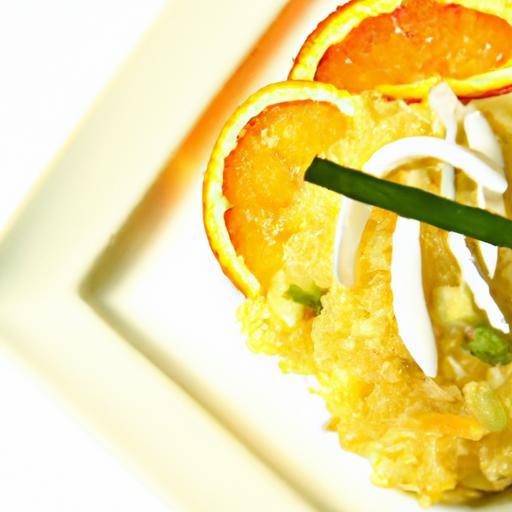
Lemon rice is more than just a tangy twist on a classic grain-itS a vibrant celebration of flavor,culture,adn culinary creativity that spans continents. From the bustling streets of South India to fusion kitchens around the globe, zesty lemon rice dishes offer a refreshing burst of citrusy brightness that awakens the palate and tells a story with every bite. In this article, we’ll embark on a flavorful journey to explore the origins, variations, and irresistible charm of lemon rice, uncovering how this simple yet sensational dish has captured hearts and taste buds worldwide. Get ready to dive into a world where sunshine meets spice, and every spoonful is a delightful adventure.
Zesty delights like lemon rice have a charm that transcends borders, infusing simple grains with a burst of citrusy brightness that uplifts the palate and nourishes the soul. Rooted in South Indian culinary traditions, lemon rice has evolved thru generations, becoming a beloved comfort food enriched by regional stories and unique flavor profiles.From the bustling kitchens of tamil Nadu to the lush landscapes of Karnataka, this dish showcases the vibrant heritage and inventive touches that make each lemon rice variety distinctly unforgettable.
Prep and Cook time
- Planning Time: 10 minutes
- Cooking Time: 15 minutes
Yield
Serves 4 generous portions
Difficulty Level
Easy – perfect for home cooks looking for a quick, satisfying meal
Ingredients that Bring Zesty Flavors to life
- 2 cups cooked basmati or sona masoori rice (preferably a day old for fluffy grains)
- 2 tablespoons fresh lemon juice (adjust to taste)
- 1 tablespoon peanut oil or any neutral cooking oil
- 1 teaspoon mustard seeds
- 1 teaspoon urad dal (split black gram)
- 1 teaspoon chana dal (split bengal gram)
- 2 dried red chilies (broken in halves)
- 10 fresh curry leaves
- 1/4 teaspoon asafoetida (hing)
- 2 tablespoons roasted peanuts or cashews
- 1/2 teaspoon turmeric powder
- Salt to taste
- Fresh coriander leaves, chopped for garnish
Instructions
- Heat the oil in a deep skillet over medium heat. When shimmering, add mustard seeds and wait till they begin to pop.
- Add urad dal and chana dal, sautéing until golden brown, about 2 minutes, stirring continuously to avoid burning.
- Introduce the dried red chilies, curry leaves, and asafoetida, frying for another 30 seconds until fragrant.
- Stir in the turmeric powder and quickly toss in the roasted peanuts or cashews, allowing them to slightly toast and release their nutty aroma.
- Add the cooked rice, breaking up any clumps gently with a fork or spatula, ensuring even coating of the tempering mixture.
- Pour fresh lemon juice over the rice and sprinkle salt to taste; toss gently but thoroughly to distribute the zesty tang evenly.
- Cook for an additional 3-5 minutes on low heat to warm through, allowing the flavors to meld beautifully.
- Turn off the heat and garnish with freshly chopped coriander leaves for a burst of green freshness and aroma.
Chef’s Notes
- Rice Choice: Day-old rice works best as it prevents clumping and enhances texture.
- Lemon Juice: Always add lemon juice off the heat to preserve its bright, fresh flavor; too much heat dulls the citrus notes.
- Peanut Substitute: For a nut-free dish,substitute peanuts with roasted chickpeas or skip entirely.
- Spice Variations: Experiment with green chilies for a fresher heat or add grated ginger for an aromatic twist.
- Make Ahead: Prepare the tempering and rice separately, then combine just before serving to maintain freshness.
Regional twists and Signature Preparations to Try
The essence of lemon rice adapts beautifully across India’s diverse culinary canvas. In Karnataka, the addition of jaggery offers a subtle sweet note that beautifully balances the tang. Andhra Pradesh recipes often enrich the dish with roasted sesame seeds and mustard greens to elevate the earthy depth. Tamil Nadu highlights a more robust tempering with whole red chilies and ginger, while Kerala’s coastal take embraces coconut pieces for tropical richness. These regional tweaks invite home cooks to celebrate the versatility of lemon rice, making each plate a story of local ingredients and time-honored methods.
Perfect Pairings and Serving Suggestions for Lemon Rice Dishes
Pairing lemon rice with cooling accompaniments transforms an everyday meal into an elevated dining experience. Classic sides like creamy coconut chutney, crisp vegetable pappadam, or spiced yogurt raita beautifully complement the zesty citrus notes. For protein-rich options, creamy paneer bhurji or a simple dal tadka add comforting richness. Garnished with a sprinkle of fresh pomegranate seeds or toasted coconut flakes, lemon rice becomes not only flavorful but visually appealing-a feast for the eyes as well as the palate.
| Nutrient | Per serving |
|---|---|
| Calories | 230 kcal |
| Protein | 5 g |
| Carbohydrates | 45 g |
| fat | 4 g |
Explore more about tempering techniques
Learn about lemon rice history at South Indian Food

Q&A
Q&A: Zesty Delights – Exploring the World of Lemon Rice Dishes
Q1: What makes lemon rice such a beloved dish across different cultures?
A1: Lemon rice captivates with its vibrant balance of tangy citrus and fragrant spices, creating a bright and refreshing meal. Its simplicity and adaptability allow it to transcend cultural boundaries, offering comfort and zest in every bite. Whether as a quick lunch or festive fare, lemon rice carries a worldwide appeal that sparks joy in kitchens worldwide.
Q2: How did lemon rice originate, and where is it most popular?
A2: Lemon rice has roots in South Indian cuisine, where it’s known as “chitranna” in Kannada or “elumichai Sadam” in Tamil.Traditionally, it was a clever way to transform leftover rice into a flavorful dish using tamarind, mustard seeds, turmeric, and freshly squeezed lemon juice.Over time,variations have blossomed,making it a staple not just in India but also in Sri Lanka and beyond.Q3: What are the key ingredients that define an authentic lemon rice?
A3: The heart of lemon rice lies in cooked rice, tangy lemon juice, and tempered mustard seeds. Turmeric lends a golden hue, while curry leaves infuse a distinctive aroma. Peanuts or cashews add crunch, and green chilies or dried red chilies bring a subtle kick. This harmonious blend creates a symphony of texture and flavor that dances on the palate.
Q4: Can lemon rice be adapted for different dietary preferences?
A4: Absolutely! Lemon rice is naturally vegetarian and gluten-free, making it accessible to many diets. For vegans, simply use oil or vegan butter for tempering. To boost nutrition,toss in vegetables like peas,carrots,or spinach.For a protein punch, add roasted chickpeas or tofu. Its versatility invites endless creativity without losing its signature zest.Q5: What are some exciting variations of lemon rice around the world?
A5: Beyond South India, lemon rice variations shine throughout the Indian subcontinent and diasporic communities. in Sri Lanka, “Maha Boli” lemon rice incorporates coconut and green chilies for a tropical twist. In fusion kitchens, chefs experiment with quinoa or cauliflower rice, blending tangy lemon flavors with new textures.Some even infuse lemon rice with herbs like mint or basil, bridging classic and contemporary tastes.
Q6: How can lemon rice be paired to create a complete meal?
A6: Lemon rice pairs wonderfully with a variety of side dishes. Customary accompaniments include spicy pickles, cooling yogurt raita, or tangy mango chutney. It also complements lentil dals and vegetable curries, striking a perfect balance between zest and warmth. For a light feast, serve lemon rice with crispy papadums and a fresh salad, inviting a medley of flavors and textures.
Q7: What tips can help novice cooks master the perfect lemon rice?
A7: Start with well-cooked, fluffy rice-ideally cooled to prevent clumping. Use fresh lemon juice for that crisp brightness. Temper the mustard seeds in hot oil until they pop to unlock their nutty aroma. Don’t forget the curry leaves-they’re the fragrant soul of the dish! adjust the salt and lemon juice to taste,keeping the flavors vibrant but balanced. With these steps, even beginners can create zesty magic.Q8: Why is lemon rice considered a symbol of comfort and celebration?
A8: Lemon rice embodies simplicity elevated by bold flavor, making it both everyday comfort food and a festive favourite. Its bright color and lively taste evoke sunshine and warmth, frequently enough gracing special occasions and temple offerings. Sharing lemon rice carries a sense of community and joy, reminding us that even humble ingredients can create memorable culinary experiences.
Embrace the zesty delights of lemon rice-a dish where sunshine meets spice,and every grain sings with flavor!
To Conclude
As the final grains of lemon-infused rice settle on your palate,it becomes clear that this humble dish is anything but ordinary.From the vibrant kitchens of South India to the inventive twists found in fusion fare, lemon rice carries a zest that transcends borders and traditions. Whether enjoyed as a comforting staple, a festive favorite, or a refreshing side, its bright, tangy essence invites both seasoned food lovers and curious explorers to savor a world of flavors in every bite. so next time you crave something simple yet sensational, remember: sometimes, all you need is a little zest to transform the ordinary into a delightful culinary adventure.