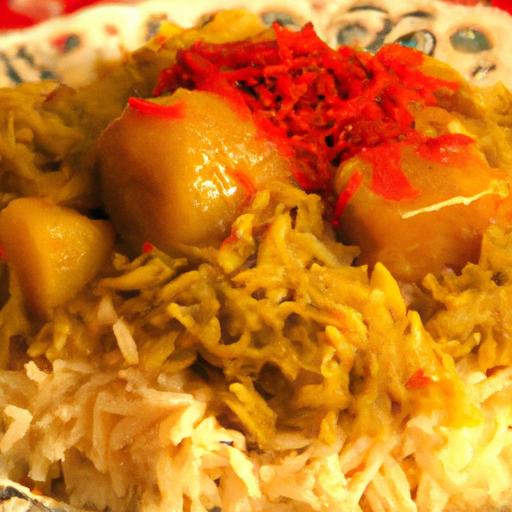

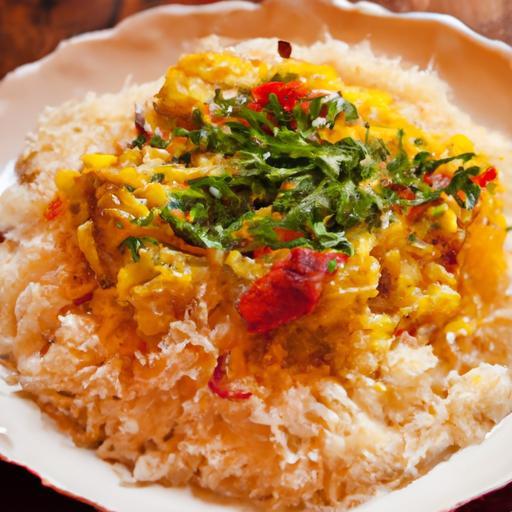
Beneath the fluffy clouds of steaming Persian rice lies a treasure as golden as the desert sun-tahdig. More than just a crust, Tahdig is Persia’s culinary masterpiece, a crispy, caramelized layer that transforms a humble grain into a symphony of texture and flavor. Frequently enough overshadowed by the vibrant stews and aromatic spices that define Persian cuisine, this golden delight holds a revered place at the heart of every meal. Journey with us as we uncover the secrets behind Tahdig’s irresistible crunch, its cultural importance, and the art of crafting this hidden gem that turns a simple dish into an unforgettable experience.
Origins and Cultural Significance of Tahdig in Persian Cuisine
Tahdig: Persia’s Golden Delight Hidden Beneath the Rice is not just a culinary marvel but a treasured symbol of Iranian culture and hospitality. This crispy, golden crust is the crowning glory of any Persian rice dish, embodying both the art and soul of Persian cooking. Tahdig’s roots stretch deep into the heart of persian culinary tradition, where it has been lovingly crafted for centuries. In many families, the crackling sound of the perfect tahdig signals a meal ready to be savored, evoking warm memories and communal joy.
Historically,tahdig reflects the Persian ethos of making the most out of simple ingredients-transforming humble rice and oil into something remarkable. It holds a special place at the table, frequently enough reserved as a prized portion, a testament to patience and skill.More than just a side, tahdig represents Persian generosity and the deep respect for food as a cultural emblem.
Mastering the art of the Perfect tahdig Crunch
Achieving the ideal tahdig requires a delicate balance of heat, timing, and technique. The secret lies in coaxing that unmistakable golden crust without burning, while ensuring the rice remains fluffy on top. Using a non-stick or heavy-bottomed pot helps distribute the heat evenly, preventing hot spots that can char the crust prematurely.
Start with well-rinsed, soaked rice to eliminate excess starch-this step is critical for both fluffiness and crust formation.Layering a thin coating of butter or oil at the pot’s base encourages even browning. Maintaining a low flame during the final stage allows the crust to develop slowly, emerging as a beautifully crisp, aromatic shell that’s begging to be flipped or served straight from the pan.
Selecting the Ideal Rice and Ingredients for Authentic Tahdig
The foundation of extraordinary tahdig is the right rice. persian long-grain rice varieties such as Basmati or Domsiah are preferred for their slender grains and fragrant aroma.Soaking the rice for at least 30 minutes softens the grains and helps them cook evenly.
- 2 cups Persian Basmati rice, rinsed and soaked 30 minutes
- 4 tablespoons unsalted butter or vegetable oil
- ½ teaspoon salt
- 1 cup boiling water
- Optional: Thinly sliced potato or lavash bread for layering
Adding a thin layer of sliced potato or lavash bread at the bottom creates an even more decadent crust, adding texture and flavor layers to your tahdig. Butter, especially unsalted, is preferred for its rich and nutty finish, though vegetable oil works well for a lighter profile.
Troubleshooting Common Challenges and Enhancing flavor with Expert Tips
Many home cooks struggle with sticking, uneven browning, or burning. To avoid this, always ensure the heat is low after the initial sauté. Use a lid wrapped with a clean kitchen towel to trap steam and cook rice without sogginess.
If the tahdig sticks, try reducing the oil slightly or increase the soaking time for the rice next time to reduce surface starch. For a more vibrant flavor, infuse the butter or oil with a pinch of saffron dissolved in warm water before layering-it adds a subtle aroma and glorious golden color that elevates the entire dish.
Prep and Cook Time
- Preparation: 45 minutes (including soaking)
- Cooking: 45 minutes
- Total Time: 1 hour 30 minutes
Yield
Serves 4 generously
Difficulty Level
Medium – Requires attentive heat management but beginner-friendly with patience
Ingredients
- 2 cups Persian Basmati rice, rinsed and soaked for 30 minutes
- 4 tablespoons unsalted butter or vegetable oil
- ½ teaspoon salt
- 1 cup boiling water
- Optional: 1 medium potato, peeled and thinly sliced or 4 lavash bread sheets
- Optional for aroma: ¼ teaspoon saffron threads, steeped in 2 tablespoons warm water
Instructions
- Drain the rice after soaking and set aside.
- In a non-stick pot, melt butter or heat oil over medium heat. If using saffron, stir it into the butter/oil now.
- Optional: Spread a single layer of thin potato slices or lavash bread across the bottom of the pot for a crunchy base.
- Add half the rice gently in an even layer over the base without pressing down.
- Pour 1 cup boiling water over the rice, sprinkle with salt, cover with a clean kitchen towel, and seal the lid airtight.
- Reduce heat to low and cook for 45 minutes, allowing steam to cook the rice fully and form the crust.
- When ready, turn off the heat and let rest for 5 minutes.
- Invert the pot onto a large serving platter so the golden tahdig is revealed as a glorious crust atop the limpid rice.
- Serve immediately, breaking the tahdig into portions and encouraging guests to savor the crisp texture with each bite.
Tips for Success
- Patience is key: Avoid lifting the lid during cooking to let steam develop perfectly.
- Experiment with layering lavash bread for a thinner, crispier crust or thin potatoes for a heartier bite.
- If rice sticks, next time add a little more oil or butter and ensure even heat distribution.
- Leftover tahdig can be gently reheated in a dry skillet to revive the crunch.
- Explore more Persian rice recipes to complement your meal beautifully.
- For a deeper dive into rice varieties and cooking science, consult Britannica’s entry on rice.
Serving Suggestions
Tahdig pairs wonderfully with classic kebabs, stewed meats like ghormeh sabzi, or fresh herb salads. Garnish with a sprinkle of chopped fresh parsley or dill, and a wedge of lemon on the side for a burst of zing. The golden crust also shines as a bed beneath saffron-infused chicken or eggplant dishes,adding irresistible texture and flavor contrasts to your spread.

| Nutrient | Per Serving |
|---|---|
| Calories | 320 kcal |
| Protein | 6 g |
| Carbohydrates | 65 g |
| Fat | 7 g |
Q&A
Q&A: Tahdig – Persia’s Golden Delight Hidden Beneath the Rice
Q1: What exactly is Tahdig?
A1: tahdig, ofen described as Persia’s golden treasure, is the crispy, caramelized crust formed at the bottom of the rice pot. Its name translates to “bottom of the pot” in Persian, but its status in Persian cuisine is far from humble. This crust is a coveted delicacy – a perfect harmony of crunch and flavor that transforms simple rice into a decadent experience.
Q2: how is Tahdig made?
A2: Creating tahdig is both an art and a science. After rinsing and soaking basmati rice, it’s parboiled until slightly tender, then layered back into a pot with oil or butter and frequently enough a splash of saffron-infused water. The pot is placed over gentle heat, allowing the bottom to crisp slowly to a golden-brown perfection.Some chefs add thin slices of potato, flatbread, or yogurt to the base, infusing tahdig with extra texture and taste.
Q3: Why is tahdig so beloved in Persian culture?
A3: Tahdig is more than just food-it’s a symbol of comfort, party, and family gatherings. Its irresistible crunch frequently enough turns mealtime into a joyful scramble, with family members eagerly vying for the prized crust piece. sharing tahdig is a warm, communal experience, embodying the Persian values of hospitality and togetherness.
Q4: Can tahdig be made with ingredients other than rice?
A4: Absolutely! While rice tahdig reigns supreme, the crispy-bottom technique applies to various bases. Thinly sliced potatoes,lavash bread,or even vegetables can form their own golden crusts. some creative cooks experiment with bread or lentils, adding unique layers of flavor while preserving tahdig’s signature crunch.
Q5: What tips can help beginners master tahdig?
A5: Patience is key. Use a heavy-bottomed pot to ensure even heat distribution, avoid stirring once the rice is set, and cook over low to medium heat to prevent burning. Watching for the perfect golden hue and that irresistible pop when breaking into the crust signals success. Experiment with butter, oil, and saffron to find your own perfect balance.
Q6: How does tahdig enhance the experience of eating Persian rice?
A6: Tahdig transforms the familiar subtlety of Persian rice into a textural and flavor adventure. The crunchy,fragrant crust contrasts beautifully with the light,fluffy grains above,making every bite a delightful surprise. It’s the pièce de résistance that elevates a simple meal into a memorable feast.
Q7: Where can one taste authentic tahdig outside Iran?
A7: Persian restaurants around the world often serve tahdig as a hallmark dish.Look for eateries specializing in customary Iranian fare or home-style cooking. Alternatively, making tahdig at home offers a genuine taste of Persian hospitality and culinary heritage-an invitation to discover persia’s golden delight from your own kitchen.
Whether you’re a seasoned foodie or a curious newcomer, tahdig invites you to uncover a golden layer of Persian culture-crisp, fragrant, and utterly irresistible.
To conclude
As the final grains of saffron-kissed rice settle, and the warm, crispy layer of tahdig is revealed, we are reminded that sometimes the most treasured delights lie just beneath the surface. This golden crust,a humble yet revered symbol of Persian hospitality and culinary artistry,transforms a simple bowl of rice into a celebration of texture,flavor,and tradition. Whether enjoyed in a bustling Tehran kitchen or a quiet home abroad, tahdig remains a flavorful bridge connecting generations, inviting all to savor a taste of Persia’s rich cultural tapestry-one golden bite at a time.