
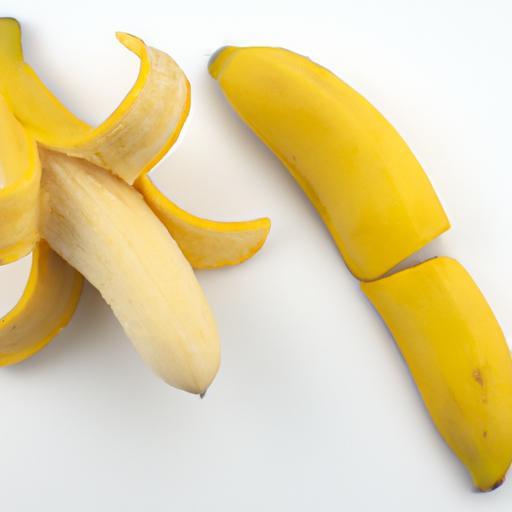
There’s a quiet marvel tucked inside a bright yellow peel-a humble fruit that has traveled continents, inspired cultures, and fueled scientific curiosity for centuries. The banana, often taken for granted as a simple snack, holds a fascinating story woven through biology, history, and innovation. From its ancient origins in tropical rainforests to the cutting-edge research shaping its future, unpeeling the wonders of the banana reveals a world far richer and more complex than its soft, sweet flesh might suggest. Join us as we delve into the science and story behind this beloved fruit, uncovering the layers that make bananas not just food, but a global phenomenon.
the Botanical Origins and evolution of Bananas: Creative Recipes to Maximize Banana Benefits
unpeeling the wonders of bananas reveals not only a fascinating botanical journey but also a treasure trove of culinary potential. Today, we’ll explore a delightful recipe that celebrates the banana’s natural sweetness and nutritional richness while giving you an approachable method to elevate this humble fruit into a show-stopping dish.
Banana & Walnut Oatmeal Bake: A Wholesome Comfort Dish
This dish owes its roots to traditional baking with a modern twist-highlighting bananas as the star ingredient. I’ve always adored the comforting aroma and the moist texture that bananas bring to baked oats, making it a perfect recipe for breakfast, brunch, or a cozy afternoon snack. The walnuts add a delightful crunch and healthy fats, complementing the banana’s creamy softness.
Prep and Cook Time
- Prep: 15 minutes
- Cook: 40 minutes
- Total: 55 minutes
Yield
Serves 6 generous portions
Difficulty Level
Easy – perfect for home cooks of any experience level
Ingredients
- 2 large ripe bananas, mashed (about 1 cup)
- 2 cups rolled oats, gluten-free if preferred
- 1 ½ cups milk (dairy or plant-based, such as almond milk)
- ½ cup chopped walnuts, toasted
- ⅓ cup pure maple syrup or honey
- 1 large egg, lightly beaten
- 1 tsp vanilla extract
- 1 tsp ground cinnamon
- ½ tsp baking powder
- Pinch of salt
- Optional: ½ cup dark chocolate chips or dried cranberries for added texture and flavor
Instructions
- Preheat your oven to 350°F (175°C). Lightly grease an 8×8-inch baking dish or line it with parchment paper for easy cleanup.
- Mash the bananas in a large mixing bowl until mostly smooth but still slightly chunky for texture.
- Add the milk, maple syrup, egg, and vanilla extract to the mashed bananas. Whisk gently until well combined.
- In a separate bowl, mix the rolled oats, cinnamon, baking powder, salt, and chopped walnuts.
- Combine the wet ingredients with the dry mixture, folding carefully but thoroughly. If you choose to add chocolate chips or dried cranberries, fold them in here.
- Pour the batter into your prepared baking dish, spreading evenly.
- Bake for approximately 40 minutes, until the top is golden and a toothpick inserted into the center comes out clean. The edges will firm up while the center maintains a moist,tender crumb.
- Let it cool for 10 minutes before slicing. This helps the bake set perfectly, making it easier to cut.
Chef’s Notes
- banana selection: Use bananas with brown speckles for maximum sweetness and moisture.
- Milk variations: Coconut milk gives a creamier texture, while oat milk adds mild sweetness.
- Nut substitutes: For allergy-friendly options, swap walnuts for pumpkin seeds or leave them out entirely.
- Make-ahead tip: Store leftovers in an airtight container and refrigerate up to 3 days, or freeze individual portions for up to 1 month.
- Gluten-free adaptation: Ensure rolled oats are certified gluten-free to avoid cross-contamination.
Serving Suggestions
Serve warm or at room temperature for the perfect wholesome treat. Top slices with a dollop of Greek yogurt or a drizzle of extra maple syrup for creaminess and added sweetness. Fresh berries or sliced bananas make an excellent colorful garnish, enhancing the visual appeal and layering fresh flavors. For a decadent touch, sprinkle with toasted coconut flakes or a few cinnamon dustings before serving.

Nutritional Details Per Serving
| Calories | Protein | Carbohydrates | fat |
|---|---|---|---|
| 240 | 6g | 38g | 7g |
Explore more delicious and nutritious ways to feature bananas in your cooking by visiting our complete banana nutrition guide. For authoritative insights on sustainable banana farming innovations, read the latest research from the food and Agriculture Organization of the United Nations.
Q&A
Q&A: Unpeeling the Wonders - The Science and Story of Bananas
Q1: Why are bananas curved instead of straight?
Answer: Bananas are masters of phototropism-the art of growing towards light. As the fruit develops, it starts hanging downward, but each banana bends upward to chase sunlight. This upward curve ensures maximum exposure, optimizing photosynthesis to nourish the fruit and plant alike. So, that graceful arc is Mother Nature’s clever design.
Q2: How did bananas become one of the world’s favorite fruits?
Answer: The story of bananas is a global journey spanning thousands of years. Originating in Southeast Asia, wild bananas were cultivated by ancient farmers who prized their sweet, starchy flesh. Through trade routes and colonization, bananas crossed continents, finally flourishing in tropical zones worldwide. Their portability, sweetness, and nutritional punch sealed their status as a beloved staple.
Q3: What makes bananas a “superfood”?
Answer: Bananas pack a punch of essential nutrients wrapped in a convenient peel. Rich in potassium, they help regulate blood pressure and support heart health. their dietary fiber aids digestion, while vitamin B6 fuels brain function. Plus, natural sugars provide a rapid burst of energy, making bananas the perfect snack for body and mind.
Q4: Why don’t we see banana seeds?
Answer: The bananas we eat are usually seedless hybrids cultivated for comfort and taste. Wild bananas, on the other hand, sport hard seeds that would make eating cumbersome. Early farmers cleverly bred varieties with tiny,sterile seeds,trading seed pods for soft,edible flesh that melts in your mouth.
Q5: What’s going on inside a banana when it ripens?
Answer: Ripening is a complex chemical symphony.As the banana matures, enzymes break down starches into sugars, sweetening the fruit. chlorophyll fades, revealing golden hues beneath.Meanwhile, ethylene gas acts as a natural signal, prompting softness and aroma progress.The transformation makes each bite a sensory delight.
Q6: Can bananas influence mood or brain function?
Answer: Indeed! Bananas contain tryptophan, an amino acid that the body converts into serotonin-the “feel-good” neurotransmitter. Combined with vitamin B6 and natural sugars, bananas can provide a gentle mood lift and mental clarity, earning them a reputation as a natural brain booster.
Q7: How sustainable is banana farming?
Answer: Banana cultivation faces challenges like disease, monoculture practices, and environmental pressures. The infamous Panama disease threatens plantations worldwide. Though,sustainable farming efforts,diversified cultivation,and organic practices are emerging to protect this vital crop and preserve biodiversity for future generations.
Q8: What fun fact surprises most people about bananas?
Answer: Despite being called a fruit, bananas are technically berries! Botanically, a berry is a fleshy fruit produced from a single ovary, and bananas fit this definition perfectly. Meanwhile, their plant isn’t a tree but the world’s largest herb. So next time you peel a banana, you’re holding a berry from a giant herbaceous plant!
Unpeeling the banana reveals more than just a tasty snack-it exposes a fascinating story of biology, culture, and science wrapped in sunny yellow skin. From curved growth patterns to mood-enhancing compounds,bananas truly are wonders worth savoring.
In Retrospect
As we peel back the layers of the humble banana, we’ve uncovered a tale ripe with science, history, and surprising complexity. From its ancient origins in tropical forests to its journey into our kitchens and cultures worldwide, the banana is far more than just a convenient snack. it is a vibrant thread woven into the fabric of agriculture, nutrition, and ecology. Next time you hold this curved yellow marvel in your hand, remember-their story is as rich and multifaceted as the flavor hidden beneath their peel. Unpeeling the wonders of bananas is a testament to how even the simplest things in nature can hold extraordinary secrets waiting to be discovered.