
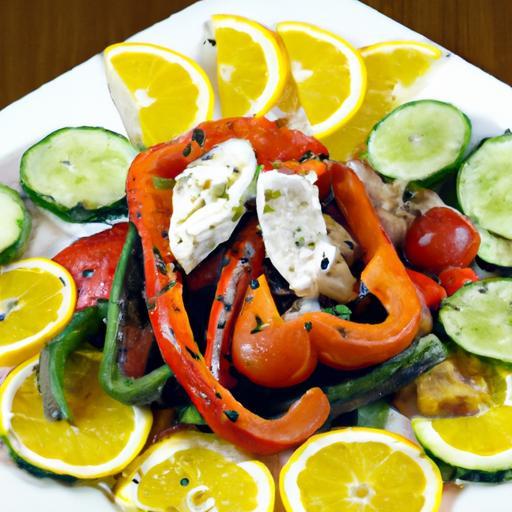
Imagine a vibrant mosaic of sun-ripened tomatoes,crisp cucumbers,fragrant herbs,and a drizzle of golden olive oil-all coming together in one bowl. Mediterranean bowls have surged in popularity, celebrated for their dazzling array of fresh flavors and impressive nutritional benefits.Rooted in the wholesome traditions of countries bordering the azure sea, these colorful dishes are more than just meals; they are a celebration of health, culture, and simplicity.In this article, we’ll explore how Mediterranean bowls combine nature’s best ingredients into balanced, nourishing meals that delight both the palate and the body.
Mediterranean bowls capture the essence of sun-drenched coastlines, vibrant markets, and centuries-old culinary traditions, delivering a harmony of fresh flavors, wholesome ingredients, and nourishing textures in every bite. Rooted in the diverse food cultures that stretch from Greece to Morocco, these bowls are a celebration of balanced meals that fuel both body and mind, blending ancient grains, crisp vegetables, fragrant herbs, and succulent proteins with the magic of citrus and rich olive oil.
Prep and cook Time
- Preparation: 20 minutes
- Cooking: 25 minutes
- Total Time: 45 minutes
Yield
Serves 4 hearty bowls, perfect for lunch or dinner
Difficulty Level
Easy to Medium – Suitable for home cooks seeking vibrant and balanced meals
Ingredients
- 1 cup quinoa, rinsed and drained
- 2 cups water or vegetable broth for cooking quinoa
- 1 can (15 oz) chickpeas, drained and rinsed
- 1 tbsp olive oil, plus extra for drizzling
- 1 tsp ground cumin
- 1 tsp smoked paprika
- 1 medium cucumber, diced
- 1 cup cherry tomatoes, halved
- 1/4 cup red onion, thinly sliced
- 1 cup baby spinach or mixed greens
- 1/4 cup Kalamata olives, pitted and halved
- 1/4 cup crumbled feta cheese (optional)
- Juice of 1 lemon
- 2 tbsp fresh parsley, chopped
- 2 tbsp fresh mint, chopped
- Salt and freshly ground black pepper, to taste
Instructions
- Cook the quinoa: In a medium saucepan, combine rinsed quinoa and water (or broth). Bring to a boil, then reduce heat to low and simmer, covered, for 15 minutes or until the water is absorbed. Remove from heat and fluff with a fork. Let it cool slightly.
- Prepare the chickpeas: Heat 1 tbsp olive oil in a skillet over medium heat. Add the chickpeas, cumin, and smoked paprika. Sauté for 5-7 minutes, tossing occasionally, until chickpeas are lightly toasted and fragrant. Remove from heat.
- Assemble the base: In four serving bowls, divide the cooked quinoa as the foundation. Layer with baby spinach, diced cucumber, cherry tomatoes, red onion, and Kalamata olives evenly among the bowls.
- Add the chickpeas: Spoon the spiced chickpeas over the vegetables in each bowl.
- Finish with herbs and cheese: Sprinkle fresh parsley, mint, and crumbled feta cheese evenly across the bowls.
- Dress the bowls: Drizzle with olive oil and squeeze fresh lemon juice over the top. Season with salt and pepper to taste.
- Serve immediately or chill for 30 minutes for a refreshing cold bowl. Garnish with extra herbs if desired.
Tips for Success
- For a protein boost, substitute chickpeas with grilled chicken, seared salmon, or halloumi cheese.
- Use bulgur or farro instead of quinoa to vary grain textures and flavors.
- Prep components ahead: quinoa and spiced chickpeas can be made up to two days in advance to speed up assembly.
- If crumbled feta isn’t your favorite, try toasted pine nuts or slivered almonds for crunch and richness.
- Balance the lemon dressing with a drizzle of honey or pomegranate molasses for a sweet-tart finish.
Serving Suggestions
This dish shines when served in rustic, shallow bowls that highlight the vibrant colors and textures. Consider garnishing with edible flowers or thin lemon slices for an elegant touch. Serve alongside warm pita bread and a small bowl of tzatziki for dipping.For a light summer twist, add grilled peaches or watermelon cubes for seasonal sweetness. During fall, swap fresh greens for roasted root vegetables and a drizzle of tahini sauce to add warmth and depth.
| Nutrient | Per Serving |
|---|---|
| Calories | 420 kcal |
| Protein | 15 g |
| Carbohydrates | 50 g |
| Fat | 15 g |

Explore more wholesome recipes like this by visiting our Mediterranean Diet Meals Guide. For additional insights into Mediterranean nutrition, check authoritative resources like the Healthline Mediterranean Diet Overview.
Q&A
Q&A: Mediterranean Bowls – Fresh Flavors Packed with Nutrition
Q1: What exactly is a Mediterranean bowl?
A1: think of a Mediterranean bowl as a vibrant mosaic on your plate-a harmonious assembly of fresh veggies, wholesome grains, lean proteins, and a drizzle of zesty dressings inspired by the sun-drenched Mediterranean coast. It’s a balanced meal that’s as colorful as it is nutritious, capturing the essence of Mediterranean cuisine in a convenient, bowl-sized portion.
Q2: Why are Mediterranean bowls considered so healthy?
A2: These bowls are nutritional powerhouses! They emphasize fresh fruits and vegetables, fiber-rich grains like quinoa or bulgur, heart-healthy olive oil, and lean proteins such as chickpeas, grilled chicken, or fish. This combination provides a wealth of antioxidants,vitamins,healthy fats,and plant-based nutrients that support heart health,boost immunity,and promote overall well-being.
Q3: Can Mediterranean bowls fit into different dietary preferences?
A3: Absolutely! Whether you’re vegan, vegetarian, pescatarian, or an omnivore, Mediterranean bowls are incredibly adaptable. Swap proteins and grains to suit your palate-use falafel or lentils for plant-based options, or grilled shrimp for a pescatarian twist. The key is fresh, whole ingredients harmoniously layered for maximum flavor and nutrition.
Q4: What are some staple ingredients in a Mediterranean bowl?
A4: Staple ingredients include crisp cucumbers, ripe tomatoes, earthy olives, creamy hummus, tangy feta cheese, fragrant herbs like oregano and parsley, and a base of fluffy couscous, brown rice, or greens. Each ingredient brings its own burst of freshness and nutrition, creating a bowl that’s never boring.
Q5: How can I make a Mediterranean bowl at home without spending hours?
A5: The secret is simplicity and smart prep! Start with a cooked grain or greens base. Then toss on ready-to-eat staples like cherry tomatoes, canned chickpeas, sliced cucumbers, and olives. Drizzle with olive oil and a splash of lemon juice or a dollop of tzatziki. Keep a jar of your favorite hummus handy for extra creaminess. Voilà! A fresh, nourishing meal in under 20 minutes.
Q6: Are mediterranean bowls suitable for weight management?
A6: Yes! Their high fiber content from vegetables and whole grains promotes fullness, helping to curb overeating. The healthy fats in olive oil and nuts support satiety and metabolic health. Plus, the variety of nutrient-dense foods keeps your energy steady without the crash that comes from processed snacks.
Q7: What’s the cultural significance behind Mediterranean flavors?
A7: Mediterranean cuisine is a celebration of the region’s bounty and lifestyle-it’s about sharing meals, savoring each bite, and embracing natural, minimally processed ingredients. These flavors tell stories of coastal sun, bustling markets, and centuries-old traditions, all coming together in every delicious bite of your bowl.
Q8: Can Mediterranean bowls help with boosting immunity?
A8: Definitely! The colorful veggies and herbs are packed with antioxidants and vitamins like C and E, which strengthen the immune system. Olive oil and nuts provide anti-inflammatory compounds, while garlic and lemon add a flavorful immune boost.Combining these creates a bowl that’s both a feast for your taste buds and your health.
Q9: Are there any tips for keeping Mediterranean bowls exciting and varied?
A9: experiment with seasonal veggies and different grains! Swap bulgur for farro, add roasted beets or artichoke hearts, or sprinkle toasted pine nuts or sumac for a flavor twist. Changing up herbs-from mint to dill-can also transform the bowl’s character, keeping each meal vibrant and new.
Q10: Where should I start if I want to explore Mediterranean bowls?
A10: Start simple-choose a grain base, add fresh veggies, a protein source like grilled chicken or chickpeas, and finish with a drizzle of olive oil and a squeeze of lemon. Once you’re comfortable, dive into making your own dressings, try homemade falafel, or experiment with regional flavors from Greece, Lebanon, or Italy. Your journey to fresh flavors packed with nutrition begins one bowl at a time!
The Conclusion
As you embark on your own culinary journey with mediterranean bowls, remember that each vibrant bite offers more than just a meal-it’s a celebration of tradition, health, and harmony on a plate. Bursting with fresh ingredients, wholesome grains, and wholesome fats, these bowls invite you to savor nutrition without sacrificing flavor. Whether you’re seeking a fast lunch or a nourishing dinner,Mediterranean bowls are your passport to vibrant eating that delights the senses and fuels the body. So go ahead, layer those colors, drizzle that olive oil, and enjoy the wholesome magic of the Mediterranean in every spoonful.