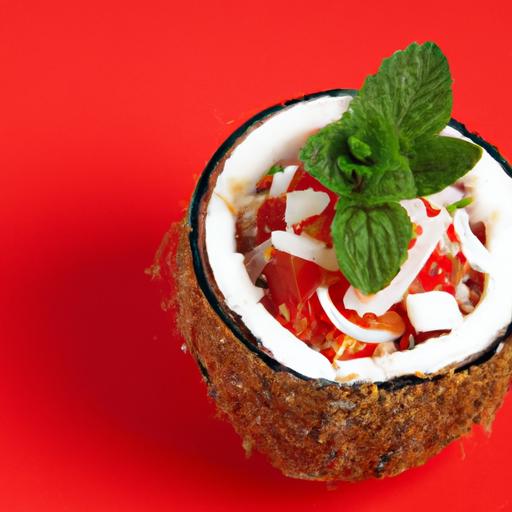

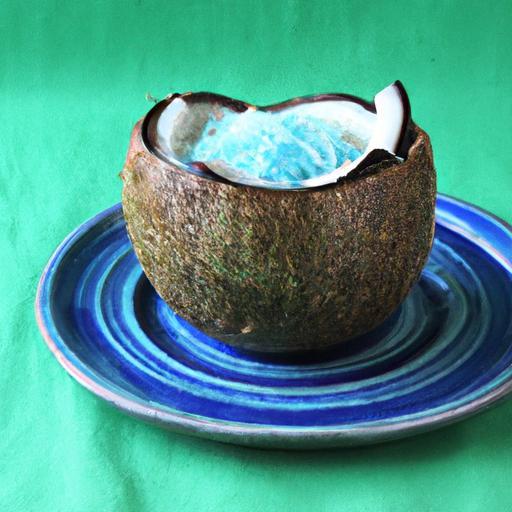
In a world increasingly mindful of sustainability, the humble coconut is making a bold statement at our dining tables. Enter coconut bowls: nature’s own stylish, eco-friendly choice to conventional tableware. These charming vessels, carved from discarded coconut shells, blend rustic beauty with conscious living-offering a unique way to elevate everyday meals while reducing waste. Whether you’re serving up a vibrant smoothie bowl or a comforting soup, coconut bowls bring a touch of tropical elegance and environmental obligation to every home. Let’s explore how these handcrafted treasures are reshaping the way we eat, one lasting bite at a time.
The natural Charm and Craftsmanship Behind Coconut Bowls
Coconut bowls embody the perfect fusion of nature’s beauty and artisanal skill, offering not just a vessel but a story in every piece.Crafted from discarded coconut shells, each bowl is hand-sanded and polished to reveal a lustrous, wood-like texture that feels warm and organic to the touch. This handcrafted process ensures that no two coconut bowls are identical, lending an authentic, rustic charm that mass-produced tableware simply cannot replicate. Beyond their aesthetic appeal, these bowls resonate with cultural heritage - reminiscent of tropical islands where coconuts have been part of daily life for generations, symbolizing simplicity and sustainability.
Sustainability Benefits of Choosing Coconut Bowls for Your Kitchen
Choosing coconut bowls means embracing an eco-conscious lifestyle without sacrificing style or functionality. Utilizing the hard outer shell of coconuts that would otherwise be discarded, these bowls turn agricultural waste into durable, reusable kitchenware. This upcycling process conserves resources and reduces landfill waste, making coconut bowls one of the most environmentally friendly tableware options available.
Moreover, coconut bowls are biodegradable and free from plastic chemicals or synthetic finishes, ensuring they don’t introduce pollutants into your home or the planet. Supporting artisans who handcraft these bowls also promotes fair trade and community progress, further enhancing their positive impact.
Creative Ways to Style Coconut Bowls in Everyday Dining
Bring creativity and tropical elegance to your dining table by styling coconut bowls in versatile and imaginative ways. Their earthy tones beautifully complement vibrant, fresh ingredients – think bright smoothie bowls topped with colorful fruits, crunchy granola, and edible flowers for Instagram-worthy appeal. For savory meals, they add an exotic flair serving poké, curries, or chilled salads.
Combine with bamboo cutlery, linen napkins, and tropical leaf placements for a full island-inspired table setting. Coconut bowls also shine in casual breakfast presentations or chic appetizer displays at dinner parties, effortlessly elevating any meal.
Top tips for Caring and Maintaining Your Coconut Bowls
To keep your coconut bowls looking their best and prolong their life, simple care steps go a long way. Avoid exposing the bowls to extreme hot water or soaking them overnight, as excessive moisture can warp the shell. Hand wash gently with mild soap and lukewarm water, then pat dry instantly.
Apply a thin layer of coconut oil or another natural oil periodically to maintain their glossy finish and prevent drying out. Store in a cool, dry place away from direct sunlight to avoid cracks or fading.Following these easy tips ensures your coconut bowls remain stylish, durable kitchen companions for years to come.
Prep and Cook Time
- Readiness Time: 10 minutes (cleaning and setting tableware)
- Cook Time: N/A (ideal for serving various dishes)
Yield
Serves: 2-4 (depending on dish and portion size)
Difficulty Level
Easy – Perfect for everyday use and beginner-friendly styling
Ingredients
- 2 medium coconut bowls, polished and dried
- 1 cup mixed fresh berries (blueberries, raspberries, strawberries)
- 1/2 cup granola, preferably homemade or natural
- 1/2 cup Greek yogurt, full fat or plant-based
- 1 tsp chia seeds
- Fresh mint leaves for garnish
- Edible flowers (optional, for decoration)
Instructions
- Prepare coconut bowls: Ensure your coconut bowls are clean and dry before use. Wipe with a damp cloth and let dry entirely.
- layer yogurt: Spoon half a cup of Greek yogurt evenly into each coconut bowl as the creamy base.
- Add berries: Top the yogurt with a generous handful of mixed fresh berries for natural sweetness and vibrant color.
- Sprinkle granola: Add half a cup of crunchy granola over the berries to introduce texture and a nutty flavor.
- Finish with seeds: Sprinkle chia seeds over the layers for an added boost of nutrition and an attractive speckled pattern.
- Garnish and serve: Decorate with fresh mint leaves and edible flowers for a visually stunning, refreshing presentation. Serve immediately for best freshness.
Chef’s Notes
- To create a vegan alternative, swap Greek yogurt for coconut or almond yogurt.
- Try layering in tropical fruits like mango, pineapple, or passionfruit to enhance the coconut bowl’s island vibe.
- For a no-mess option, line the inside with a banana leaf to protect the bowl and add extra visual interest.
- Make-ahead tip: Prep ingredients in advance but assemble just before serving to keep granola crunchy.
- Clean bowls gently to avoid dulling their natural sheen-never use abrasive sponges or dishwasher cycles.
Serving Suggestions
Present your coconut bowl smoothie or breakfast parfait alongside bamboo cutlery and a wooden tray to amplify the natural aesthetic. Pair with herbal iced teas or fresh coconut water for a refreshing,cohesive meal. For dinner, these bowls pair beautifully with spiced rice dishes, cold salads, or poke bowls, bringing an earthy touch to vibrant, fresh cuisine.
| Nutrient | Per Serving (approx.) |
|---|---|
| Calories | 280 kcal |
| Protein | 10 g |
| Carbohydrates | 42 g |
| Fat | 7 g |
Discover more sustainable kitchenware inspirations here.
Learn about the environmental benefits of coconut products at WWF – Coconut Sustainability.

Q&A
Q&A: Coconut Bowls – Stylish Eco-Friendly Tableware for Every Home
Q1: What exactly are coconut bowls?
A: Coconut bowls are handcrafted tableware made from the discarded shells of coconuts.after the edible coconut meat and water are harvested, the resilient shells are cleaned, sanded, and polished to create lovely, natural bowls. Each bowl is unique, showcasing the organic textures and patterns of the coconut shell.
Q2: Why should I choose coconut bowls over traditional dishes?
A: Coconut bowls bring a slice of nature right to your dining table! They’re eco-friendly, biodegradable, and reduce waste by repurposing coconut shells that would or else be discarded. Plus,their rustic,tropical charm adds warmth and style to every meal,making them perfect for smoothies,salads,desserts,or even snacks.
Q3: Are coconut bowls durable enough for everyday use?
A: Absolutely! Coconut bowls are surprisingly sturdy and lightweight.They’re treated with natural oils to enhance their durability and give them a smooth, water-resistant finish. with proper care, they can last for years, making them a practical yet stylish alternative to plastic or ceramic bowls.
Q4: How do I care for my coconut bowls?
A: Caring for your coconut bowls is simple-hand wash them with mild soap and lukewarm water, then dry immediately. Avoid soaking them or using a dishwasher, as excessive water can weaken the natural material. Occasionally, rub in a bit of coconut oil to keep the bowl looking vibrant and refreshed.
Q5: Can coconut bowls be used for hot foods and liquids?
A: Coconut bowls are best suited for serving cool or room temperature foods like smoothie bowls, salads, nuts, or snacks. While they can handle warm foods, extremely hot liquids may cause damage over time. think of them as your go-to vessel for nourishing and colorful meals that celebrate freshness.
Q6: Are coconut bowls sustainable and environmentally friendly?
A: Yes! Coconut bowls epitomize sustainable living. They utilize a byproduct that would otherwise become waste, require minimal energy to produce, and biodegrade naturally at the end of their lifespan. Choosing coconut bowls supports eco-conscious artisans and promotes a circular economy centered on respect for our planet.
Q7: Where can I find coconut bowls to add to my tableware collection?
A: Coconut bowls have gained popularity worldwide, so you can find them in eco-focused home goods stores, artisanal markets, and reputable online shops specializing in sustainable products. Look for fair-trade certifications or artisan-made labels to ensure quality craftsmanship and ethical sourcing.
Embrace the beauty of nature and bring home a coconut bowl-a small step toward stylish sustainability that transforms every meal into an eco-friendly celebration!
Future Outlook
As we embrace a future where sustainability and style go hand in hand, coconut bowls stand out as a shining example of how everyday items can make a meaningful difference. Beyond their natural beauty and unique texture, these eco-friendly vessels invite us to rethink our relationship with the planet-one meal at a time. Whether you’re savoring a colorful smoothie bowl,serving up a fresh salad,or simply adding a touch of rustic charm to your table,coconut bowls offer a perfect blend of function and conscientious living. So, why not let your home tell a story of care, creativity, and sustainability with these stylish, earth-friendly treasures? After all, small choices add up to big change, and your table is the perfect place to start.