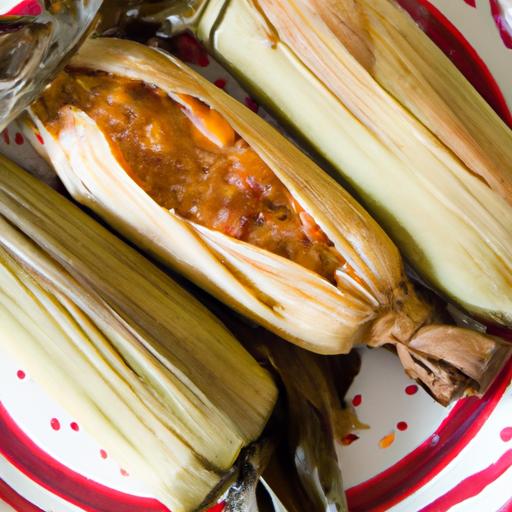

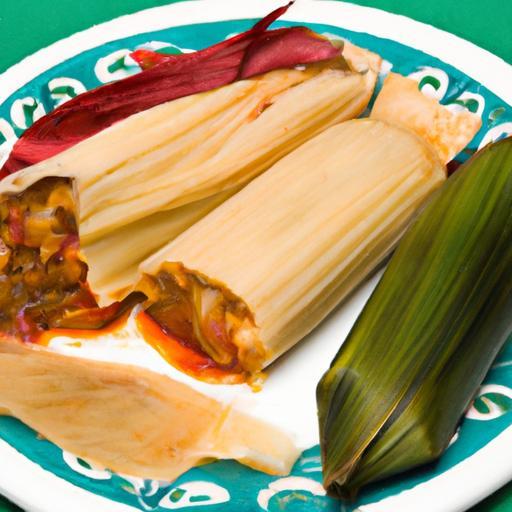
In the heart of vibrant Mexican kitchens, where the air is thick with the aroma of masa and smoky chilies, tamales have long held a cherished place at the table. More than just a savory bundle wrapped in corn husks or banana leaves, tamales are a delicious tapestry woven from centuries of culture, community, and festivity. From ancient aztec rituals to festive gatherings today, these humble parcels tell stories of heritage, craftsmanship, and culinary artistry. Join us as we unwrap the layers of tradition, exploring the rich history and meticulous artistry behind Mexican tamales-one fold, one flavor, one festival at a time.
Mexican tamales are a timeless culinary treasure, rich in history and bursting with vibrant flavors that tell stories of generations past. From bustling street markets in Oaxaca to festive family gatherings in mexico City, tamales are more than food-they are a cultural tapestry woven with craftsmanship, tradition, and regional flair. Embracing the warmth of freshly steamed corn masa wrapped in fragrant corn husks or banana leaves, you dive into a sensory journey that celebrates Mexico’s diverse heritage.
Prep and Cook Time
- Preparation: 1 hour 30 minutes (including soaking husks and preparing fillings)
- Cooking: 1 hour to 1 hour 15 minutes steaming
- Total Time: Approximately 2 hours 45 minutes
Yield
Approximately 20 tamales, serving 6 to 8
Difficulty Level
Medium – requires practice in masa preparation and tamale wrapping technique
Ingredients
- 2 cups masa harina (preferably fresh or from a trusted Mexican brand)
- 1 1/2 cups chicken broth, warm
- 1 cup lard or vegetable shortening, softened
- 1 teaspoon baking powder
- 1 teaspoon salt
- 20 dried corn husks, soaked in warm water for 30 minutes
- 2 cups shredded cooked chicken (or pork or beef as preferred)
- 1 cup homemade red chile sauce (recipe linked below)
- Optional fillings: roasted poblanos, cheese, corn, or sautéed vegetables
Instructions
- Prepare the corn husks: Soak dried corn husks in warm water for at least 30 minutes until pliable. Drain and set aside on a clean towel.
- Make the masa dough: In a large bowl, beat the softened lard until fluffy.In a seperate bowl, combine masa harina, baking powder, and salt. Gradually add the warm chicken broth to the dry ingredients,stirring until smooth.
- Combine masa and lard: Fold the masa mixture into the lard using your hands or a mixer until light and airy. A good test is dropping a small ball of dough into cold water-if it floats, the masa is ready.
- Mix the filling: In a medium bowl, combine shredded chicken with red chile sauce until evenly coated. Adjust seasoning with salt or lime juice to taste.
- Assemble the tamales: Spread a thin layer (about 2 tablespoons) of masa onto the center of each corn husk, smoothing with a spatula. Place 1 tablespoon of filling in the middle of the masa.
- Wrap tamales: Fold the sides of the husk to enclose the filling tightly, folding the narrower end underneath to secure. Repeat with all husks.
- Steam tamales: Arrange tamales standing upright in a large steamer pot, leaving some space between each for steam circulation. Cover with a clean damp cloth and steam over boiling water for 1 to 1 hour 15 minutes. Check water level regularly and steam until masa is firm and easily pulls away from husk.
- Serve: Let tamales rest for 10 minutes after steaming. Carefully unwrap and garnish as desired.
Tips for Success
- Mastering the wrapping: Practice makes perfect! Use soaked husks that are soft and flexible. Keep your masa layer thin – too thick will result in heavy tamales.
- Flavor variations: Swap chicken for shredded pork with mole sauce, black beans with cheese, or sweet fillings like pineapple and cinnamon for dessert tamales.
- Make ahead: tamales freeze beautifully before and after cooking. Freeze tightly wrapped tamales in foil for up to 3 months.
- Solving dough issues: If your masa feels dry, add more broth. If too wet, sprinkle with masa harina gradually.
- Steaming tips: Use a steaming rack or an inverted plate to keep tamales out of direct water and prevent sogginess.
Serving Suggestions
Serve tamales hot, directly peeled from their husk. Accompany with fresh salsa verde, crumbled queso fresco, sliced radishes, and a sprig of cilantro for a colorful presentation. For a comforting touch, add a dollop of Mexican crema or a squeeze of lime. Pair with a warm atole or a cold agua fresca to complete the festive experience.
| Nutritional Information | Per Tamale (approx.) |
|---|---|
| Calories | 220 kcal |
| Protein | 10g |
| Carbohydrates | 28g |
| Fat | 7g |
Discover the recipe for authentic red chile sauce to elevate your tamale filling with a soulful, spicy kick. For a deep dive into Mexico’s culinary heritage, visit National Geographic’s feature on tamale history.

Q&A
Q&A: Unwrapping Tradition – The art and History of Mexican Tamales
Q1: What exactly is a tamale?
A1: Think of a tamale as a culinary time capsule-a warm bundle of masa (corn dough) lovingly wrapped in corn husks or banana leaves, hiding flavorful fillings inside.When steamed to perfection, it emerges as a soft, fragrant treasure, offering a bite-sized experience of Mexican heritage.
Q2: How far back does the tradition of making tamales go?
A2: Tamales have roots that burrow deep into ancient Mesoamerican civilizations, dating back over 2,000 years. Aztecs, Mayans, and Olmecs all embraced tamales as staple fuel for warriors and festival feasts alike, blending nourishment with ceremony in every bite.
Q3: Why are tamales wrapped in corn husks or banana leaves?
A3: The wrapping serves both a practical and symbolic role. Corn husks and banana leaves keep the masa moist and flavorful during steaming, acting as edible packaging long before plastic existed. Symbolically, the wrapping is a gift of nature-an elegant, eco-friendly embrace that preserves tradition and taste.
Q4: What varieties of fillings can be found inside tamales?
A4: Tamales are as varied as the regions they come from. From spicy shredded pork bathed in red chile sauce to sweet fillings like raisin-studded pineapple or creamy chocolate, tamales capture a spectrum of flavors-savory, sweet, tangy, and smoky-all wrapped into one handheld delight.
Q5: How have tamales influenced Mexican culture beyond the kitchen?
A5: Tamales are much more than food; they are social glue.Traditionally prepared during holidays and family celebrations, the tamalada-the communal making of tamales-nurtures bonds, passes down recipes, stories, and laughter from one generation to the next. It’s a delicious ritual of connection and cultural pride.
Q6: Can tamales be found outside of Mexico?
A6: Absolutely! The tamale’s charm has traveled through migration and globalization, making appearances at Latino festivals, street carts, and restaurants worldwide. While ingredients and styles may adapt, the heart of this ancient art remains intact, continuing to delight and unite diverse communities.
Q7: What’s the best way for a newcomer to experience tamales?
A7: Approach tamales with curiosity and an open palate. Start by savoring conventional options-perhaps a classic chicken in green salsa or a sweet corn tamal-to appreciate the foundational flavors. Don’t shy away from trying regional specialties, and remember: unwrapping the tamale is just the first step in a layered taste adventure.
Q8: Why do tamales remain relevant in modern times?
A8: Tamales endure because they are living tradition-flexible enough to embrace modern twists yet rooted firmly in history. They remind us of community, celebration, and the magic that happens when simple ingredients combine with care and cultural memory. In every tamal,past and present intertwine deliciously.
Unwrapping a tamale is like unwrapping a story-rich with history, seasoned with tradition, and wrapped in the warmth of family. It’s an edible heritage lesson that invites us all to bite into Mexico’s vibrant soul.
In Retrospect
As the final husks are peeled away and the warm aroma of masa and spices lingers in the air, the story of Mexican tamales reveals more than just a beloved dish-it unravels centuries of culture, community, and celebration. These hand-wrapped parcels carry not only savory and sweet fillings but also the rich tapestry of traditions passed down through generations.To savor a tamale is to take a bite of history itself, a delicious reminder that food is a living bridge connecting past and present. So,next time you unwrap a tamale,remember you’re partaking in an enduring art-one that honors heritage,brings people together,and keeps the spirit of Mexico alive one tender masa bundle at a time.