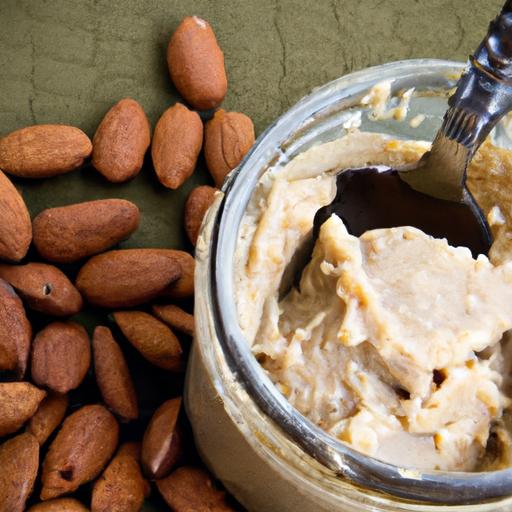

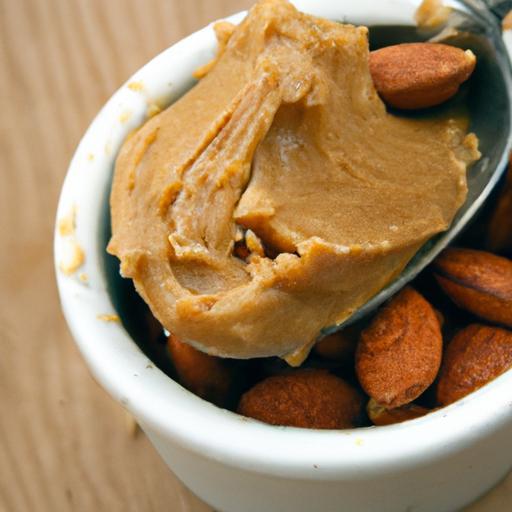
In a world overflowing with processed snacks and artificial additives, there’s something deeply satisfying about returning to the basics-whipping up wholesome treats right in your own kitchen. Enter almond butter: a creamy, nutty spread that’s as versatile as it is tasty. More than just a pantry staple, homemade almond butter is a celebration of natural flavors and simple ingredients, offering a nourishing option to store-bought jars laden with preservatives. This article will take you on a flavorful journey through the art of crafting your own almond butter, unlocking secrets to its perfect creamy texture and mouthwatering richness. prepare to embrace a nutty delight that’s not only good for your taste buds but also for your health.
Wholesome homemade almond butter becomes a truly irresistible delight when you begin with the perfect almonds,master the roasting process,and blend them into creamy,spreadable magic. Almond butter has a rich history rooted in health-conscious kitchens worldwide, prized for its nutty depth and velvety texture. I still remember the first time I crafted almond butter at home-the aroma of roasting nuts filling the air was pure comfort. Unlocking that secret to a luscious homemade almond butter is easier than you think, and the results are profoundly satisfying.
The Art of Selecting the Perfect Almonds for Creamy Butter
Choosing the right almonds is the foundation of exceptional almond butter.Opt for raw, whole, and unblemished almonds as your canvas-organic if possible to ensure purity and freshness. Fresh almonds will have a mild scent and firm texture. Avoid pre-roasted or salted nuts, as they can skew both flavor and texture. When selecting,consider whether you prefer a naturally sweet profile (California almonds are excellent) or a slightly earthier tone (Spanish almonds offer a deeper flavor). Sourcing premium almonds lays the groundwork for the best wholesome homemade almond butter.
Mastering the Roast: The Secret to Deep Nutty Flavors
Roasting almonds unlocks their oils and transforms their flavor from bland to fragrant and rich. Using a baking sheet, spread your almonds in a single layer. roast at 350°F (175°C) for 10-15 minutes, turning them once halfway through. Keep an eye-once golden brown and filling your kitchen with intoxifying nutty aroma, they’re done. Overroasting introduces bitterness, so timing is essential. For an even deeper flavor,experiment with a shorter,lower-temp roast (300°F/150°C for 20 minutes) that preserves natural sugars while bringing subtle caramel notes.
step-by-Step Guide to Crafting Smooth and spreadable Almond Butter
- Cool your roasted almonds fully to room temperature to avoid steam moisture.
- Transfer almonds into a high-powered food processor or blender.
- Pulse initially to break down the nuts into coarse crumbs-this prevents clumping.
- Run the processor continuously for 5 to 12 minutes, pausing occasionally to scrape down sides. The nuts will progress from powdery to crumbly, then ball up, and finaly melt into smooth butter.
- Add 1/4 teaspoon of fine sea salt once smooth,stirring to combine enhances depth.
- Optional: Drizzle 1 to 2 tablespoons of neutral oil (like almond oil or light olive oil) if your butter seems too thick or gritty.
- For a touch of sweetness, blend in 1 teaspoon of maple syrup or honey during the final blending phase.
- Transfer to a sterilized glass jar, seal tightly, and refrigerate. Your wholesome homemade almond butter will thicken slightly as it cools.
Tips and Tricks to Customize Your Almond Butter for Every Palate
- Spice it up: Add a pinch of cinnamon, smoked paprika, or cayenne pepper for a bold twist.
- Nut blends: Incorporate roasted cashews or hazelnuts mid-blending for a complex flavor profile.
- Sweet & Salty: Combine flaky sea salt and a drizzle of raw honey for irresistible contrast.
- Storage: Keep your almond butter refrigerated for up to 3 weeks, stirring before use if oils separate.
- Make ahead: Almond butter freezes beautifully-thaw overnight in the fridge to retain creaminess.
Prep and Cook Time
- Prep: 5 minutes
- Roasting: 10-15 minutes
- Processing: 10 minutes
- Total: Approximately 30 minutes
Yield
About 1 1/2 cups of almond butter, enough for 6 to 8 servings.
Difficulty Level
Easy to Medium – Perfect for adventurous home cooks or beginners aiming to master wholesome homemade almond butter.
ingredients
- 2 cups raw whole almonds
- 1/4 teaspoon fine sea salt
- 1 to 2 tablespoons neutral oil (optional: almond oil or light olive oil)
- 1 teaspoon pure maple syrup or honey (optional)
Instructions
- Preheat your oven to 350°F (175°C).
- Spread almonds evenly on a baking sheet in a single layer.
- Roast almonds for 10-15 minutes, stirring once at the 7-minute mark, until golden and aromatic.
- Allow almonds to cool completely to room temperature on the baking sheet.
- Transfer cooled almonds to your food processor; pulse for 15 seconds to break into crumbs.
- Process continuously 5-12 minutes, scraping sides occasionally until smooth and creamy.
- Add salt, oil, and sweetener (if using), then pulse 10 more seconds until combined.
- Spoon almond butter into a clean jar, seal, and refrigerate for freshness.
Chef’s Notes
- Texture tip: If your almond butter turns out gritty, blend longer or carefully add more oil, a teaspoon at a time.
- Oil Substitutions: Coconut oil adds subtle tropical sweetness but will firm up when chilled.
- Flavor Experiments: Stir in vanilla extract, cocoa nibs, or chopped dried fruit after blending for unique variations.
- food Processor advice: High-powered processors yield better creaminess; if using a standard blender, be patient with blending times.
- Allergy Note: Always confirm almond source if allergies are a concern-small batch or organic nuts have greater traceability.
Serving Suggestions
Spread your luscious almond butter thickly onto warm whole grain toast, drizzle with honey, and sprinkle with chia seeds for a wholesome breakfast. Swirl it into vanilla yogurt or blend into your favorite smoothie for added richness. For a snack, pair it with sliced apples or celery sticks, topped with a dusting of cinnamon or crushed pistachios. Garnishing with crushed toasted almonds enhances both texture and presentation,making your wholesome homemade almond butter the star of any spread.

Nutritional Details (per 2 tbsp serving)
| Calories | Protein (g) | Carbs (g) | Fat (g) |
|---|---|---|---|
| 190 | 6 | 7 | 16 |
Discover other nutty creations in our homemade nut butter guide and explore health benefits at Healthline’s almond butter nutrition overview.
Q&A
Q&A: Wholesome Homemade Almond Butter – A Nutty Delight Recipe
Q1: what makes homemade almond butter different from store-bought versions?
A1: Homemade almond butter is pure and customizable! Unlike many store-bought options that may contain added sugars, oils, or preservatives, making it at home lets you control every ingredient.Plus, it’s fresher, richer in flavor, and tailored exactly to your liking-from silky smooth to delightfully chunky.
Q2: How simple is it to make almond butter at home?
A2: Surprisingly simple! With just raw or roasted almonds and a food processor, you’re minutes away from nutty bliss. The process involves roasting (optional), blending, and patience while the nuts break down into a creamy, luscious butter. no fancy equipment or hard-to-find ingredients needed!
Q3: Can I add flavors or extras to my homemade almond butter?
A3: Absolutely! The beauty of making it yourself is the freedom to experiment.Sprinkle in a pinch of sea salt, a touch of cinnamon, a drizzle of honey, or even a dash of vanilla extract. for a twist, mix in cocoa powder or chopped dark chocolate. The possibilities are endless and delicious.
Q4: What are the health benefits of almond butter?
A4: Almond butter is a powerhouse of nutrition. It’s packed with healthy monounsaturated fats,protein,fiber,vitamins E and B2,and essential minerals like magnesium and calcium. this wholesome spread supports heart health, boosts energy, and keeps you feeling full and satisfied.
Q5: How should I store homemade almond butter?
A5: Store it in an airtight jar in the refrigerator to keep it fresh and prevent oil separation. Typically, it stays good for up to a month. Just give it a rapid stir if the oil rises to the top, and it’s ready to spread on toast, swirl into smoothies, or enjoy by the spoonful!
Q6: Any tips for achieving the perfect creamy texture?
A6: Patience is key! Initially, almonds break down into crumbly bits-you’ll need to scrape down the sides frequently and keep blending. If it gets too thick, adding a teaspoon of neutral oil (like almond or coconut oil) can smooth it out. Roasting almonds beforehand also enhances creaminess and flavor.
Q7: Can almond butter be used in recipes beyond a simple spread?
A7: Oh yes! Homemade almond butter is incredibly versatile. Use it as a base for salad dressings, a swirl in oatmeal, a secret ingredient in baking brownies, or a protein-packed addition to smoothies. It adds rich texture and a nutty depth wherever it goes.
Q8: Is homemade almond butter suitable for all diets?
A8: Generally, yes! It’s naturally vegan, gluten-free, dairy-free, and paleo-pleasant. Just be mindful of nut allergies. With homemade almond butter, you have a wholesome, delicious option that fits many dietary needs and lifestyles.
In Summary
crafting your own wholesome almond butter is more than just a kitchen project-it’s a celebration of simplicity, health, and flavor packed into every creamy spoonful. with just a handful of almonds and a touch of patience, you unlock a nutty delight that transforms everyday snacks and meals into moments of pure enjoyment.So next time you reach for a spread, remember: the freshest, most satisfying almond butter is the one you made yourself. embrace the process, savor the taste, and let your homemade creation become a staple of nourishing goodness in your pantry.