
Few ingredients can awaken the senses quite like peppers. From the gentle warmth of a sweet bell to the electrifying blaze of a ghost pepper, these vibrant fruits are nature’s fiery flavor gems-capable of transforming dishes and tantalizing taste buds across the globe. In “Peppers Unveiled: Exploring Nature’s Fiery Flavor Gems,” we’ll journey through the colorful world of peppers, uncovering their rich history, diverse varieties, and the science behind their signature heat. Whether you’re a culinary adventurer or simply curious about what makes peppers so remarkable, prepare to delve into the spicy secrets and flavorful wonders that make these pungent powerhouses a staple in kitchens everywhere.
Peppers Unveiled: Exploring Nature’s Fiery Flavor Gems
Peppers Unveiled: Exploring Nature’s Fiery Flavor Gems takes you on an exhilarating culinary adventure, tracing the vibrant history and extraordinary diversity of one of the world’s most beloved ingredients. from the smoky warmth of chipotles to the electric punch of habaneros, peppers bring a dynamic range of heat and flavor that can transform any dish into a memorable experience. Let’s dive deep into the essence of peppers, unlocking their unique profiles, understanding their fiery scales, and learning how to harness their culinary magic at home.
the Origins and Varieties of Peppers: A Journey Through Heat and Flavor
The story of peppers begins thousands of years ago across the Americas,rooted in the tropical climates of central and South America were indigenous peoples first cultivated these fiery fruits. The genus Capsicum includes a dazzling array of varieties, from the mild and sweet bell peppers to the punishingly hot Carolina Reaper. Each type offers a distinct flavor profile – earthy, fruity, floral, or smoky – pairing perfectly with different cuisines and preparations.
Familiar varieties such as jalapeños and serranos are staples in Mexican dishes, while the bright, crisp shishito peppers add a gentle heat in Japanese cooking. Meanwhile, african bird’s eye chilies pack a tiny but potent punch, proving that size doesn’t always dictate power. Through centuries of human cultivation, peppers have evolved in heat and flavor, adapting to regional tastes and inspiring countless culinary innovations.
Understanding scoville Units: Decoding Pepper Heat Levels with Precision
To truly appreciate the complexity of peppers, one must understand the Scoville Heat Scale – the standard yardstick for measuring pepper heat. This scale quantifies the amount of capsaicin, the chemical compound responsible for that signature fiery sensation. Mild peppers like bell peppers score zero on the scale, while ghosts and reapers can soar above 1,000,000 Scoville Heat Units (SHU).
Knowing where a pepper falls on this scale is essential for balancing dishes. For instance, a touch of a mild poblano adds a subtle earthy warmth without overpowering other flavors, whereas a few flakes of crushed red pepper (containing around 30,000-50,000 SHU) can ignite a pasta sauce with a pleasant zing. Scoville precision allows chefs and home cooks alike to tailor their heat levels, ensuring every palate is pleased.
Culinary Pairings and Uses: Enhancing Dishes with Peppers’ Fiery Touch
Peppers are culinary chameleons: their heat and flavor can uplift, complement, or boldly dominate a dish depending on usage. Their pairings are as varied as their varieties. Sweet bell peppers harmonize beautifully with creamy cheeses, fresh herbs, and roasted vegetables, creating vibrant salads or stuffed delights.Hotter peppers like the serrano or cayenne integrate seamlessly into salsas,marinades,and curries,adding lively layers of heat balanced by acidity,sweetness,or richness.
Experimenting with smoked chipotle peppers lends an irresistibly deep, smoky heat to barbecue sauces and chili, while fresh Thai bird’s eye chilies deliver a bright, vinegary punch to stir-fries and noodle dishes. Peppers can also be pickled, dried, ground, or infused into oils, unlocking a vast spectrum of textural and flavor possibilities that elevate everything from breakfast eggs to decadent desserts.
Growing Your Own Peppers: Tips for Cultivating Flavorful and Vibrant Plants
for enthusiasts eager to bring this fiery gem from seed to table, growing your own peppers is both rewarding and accessible. Start with healthy,disease-resistant seedlings or seeds suited to your climate-peppers generally thrive in warm,sunny locations with well-drained soil rich in organic matter.
Consistency in watering is key; peppers crave moist but not soggy soil. as your plants grow, regular feeding with a balanced fertilizer high in potassium promotes fruiting and flavor advancement. Staking taller varieties prevents breakage, and harvesting frequently encourages continuous production. Watching vibrant peppers ripen in your garden-glowing reds, yellows, and greens-is a sensory joy that makes cooking with homegrown chile an unforgettable experience.
Spiced Roasted Pepper Medley
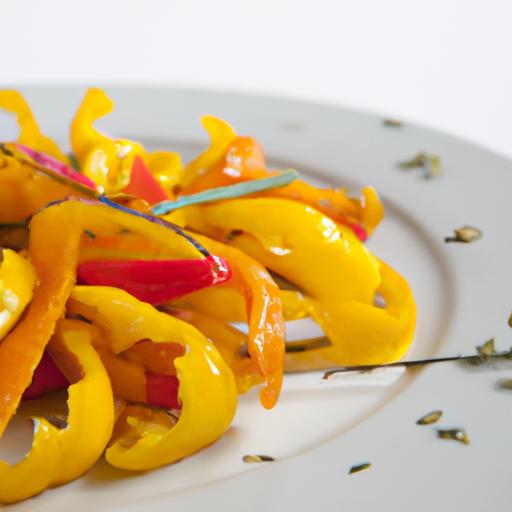
Celebrate the diverse spectrum of peppers with this vibrant roasted pepper medley, perfect as a side dish or a bold ingredient in wraps, sandwiches, or salads.This recipe balances the smoky sweetness of roasted bell peppers with the gentle heat of poblano and the lively zest of fresno chilies. It’s a sensory feast, boasting fiery depth and luscious color that will brighten any plate.
Prep and Cook Time
- Preparation: 15 minutes
- Roasting and Sautéing: 25 minutes
- total Time: 40 minutes
Yield
Serves 4 as a side dish
Difficulty level
Medium
Ingredients
- 3 large red bell peppers, seeded and quartered
- 2 medium poblano peppers, seeded and sliced into 1/2-inch strips
- 2 fresno chilies, thinly sliced
- 3 tablespoons olive oil
- 4 cloves garlic, minced
- 1 teaspoon smoked paprika
- 1 tablespoon fresh lime juice
- Salt and freshly ground black pepper, to taste
- 2 tablespoons chopped fresh cilantro
Instructions
- Preheat your oven to 425°F (220°C). Line a baking sheet with parchment paper.
- Arrange the bell peppers on the sheet, skin side up. Roast for 20 minutes, or until the skins blister and char slightly.
- Remove the peppers and promptly place them in a covered bowl or sealed plastic bag. Let them steam for 10 minutes to loosen the skins.
- Peel the skins off gently and discard. Slice the roasted bell peppers into 1-inch strips.
- Heat olive oil in a large skillet over medium heat. Add the minced garlic and sauté until fragrant, about 1 minute.
- Add the poblano strips and fresno chilies, sauté for 4-5 minutes until tender but still vibrant.
- Stir in the roasted bell pepper strips, smoked paprika, salt, and pepper.Cook for another 2 minutes, allowing flavors to meld.
- Remove from heat and stir in fresh lime juice and chopped cilantro.
- transfer to a serving dish and garnish with extra cilantro leaves. Serve warm or at room temperature.
Chef’s Notes
This medley balances smoky, sweet, and spicy notes perfectly. For a milder heat,substitute fresno chilies with sweet mini bells. To intensify the spice, add finely chopped habanero or smoked chipotle powder during sautéing. Leftovers keep well refrigerated for 3 days and enhance sandwiches and grain bowls wonderfully. Make ahead by roasting peppers a day in advance, storing them tightly wrapped.
Serving Suggestions
Pair this dish with grilled chicken or fish to complement the smoky heat. Use as a topping for creamy goat cheese toasts or add to soft tortillas with avocado and black beans for a vibrant wrap.A drizzle of tangy sour cream or a sprinkle of cotija cheese elevates the dish to restaurant quality.

| Nutrient | Amount per Serving |
|---|---|
| Calories | 120 kcal |
| Protein | 2 g |
| carbohydrates | 9 g |
| Fat | 9 g |
Discover more fiery inspiration with our guide to spicy salads and sauces or learn about the history and culinary uses of chili peppers on PepperScale, a top resource for pepper aficionados.
Q&A
Q&A: Peppers Unveiled – Exploring Nature’s Fiery Flavor Gems
Q1: What makes peppers such captivating ingredients in the culinary world?
A1: Peppers are nature’s little fireworks-delivering bright colors, bold flavors, and varying levels of heat that can transform any dish. they’re captivating because they hold an irresistible duality: sweet and smoky or scorching hot, sometimes even both at once. This versatility makes them beloved worldwide,from salsa bowls to gourmet sauces.
Q2: how do peppers get their famous heat?
A2: That fiery punch comes from a compound called capsaicin, which peppers produce as a defense mechanism against herbivores. Capsaicin binds to receptors in our mouths and skin, tricking our brains into feeling heat or burning even though there’s no real temperature change. It’s this chemical “fire” that fuels pepper lovers’ passion!
Q3: Are all peppers equally spicy?
A3: Not at all! Peppers come with a whole spectrum of heat levels measured on the Scoville scale. For example, the mild bell pepper sports zero heat, ideal for crunch and sweetness.On the other hand, the Carolina Reaper can send you soaring above two million Scoville Heat Units-a true dragon among peppers.
Q4: Beyond heat, what flavor notes can peppers offer?
A4: Peppers are multi-sensory stars. Some like poblano boast earthy, smoky undertones. Sweet red peppers deliver fruity, almost candy-like notes. Others, like jalapeños, marry grassy freshness with a sharp kick. This flavor complexity is why chefs chase peppers-not just to add heat but depth and character.
Q5: How can someone start incorporating peppers into their cooking without getting overwhelmed?
A5: Start small! Use sweet bell peppers or mild varieties like banana or Anaheim peppers to introduce vibrant color and subtle taste. Gradually experiment with medium heat peppers such as poblanos and jalapeños. Always remember-heat grows stronger as you cook or dry them, so taste as you go and balance with creamy or acidic ingredients like cheese or lime.
Q6: do peppers have any health benefits?
A6: Absolutely! Peppers are nutritional superheroes.They’re packed with vitamins A and C, antioxidants, and capsaicin-the molecule linked to metabolism boosts and pain relief. Plus, their fiery kick might even improve circulation and mood by releasing endorphins, giving you a natural high beyond just flavor.
Q7: what are some cultural traditions or dishes that highlight peppers?
A7: Peppers are the soul of many culinary traditions-from fiery mexican salsas and indian curries to Korean kimchi and Italian stuffed peppers.Each culture harnesses peppers’ unique flavors and heat to evoke comfort, celebration, and even ritualistic importance-proof that these gems are more than just food; they’re experience.
Q8: Any tips for growing peppers at home?
A8: peppers crave warmth, sunlight, and well-draining soil. Start seeds indoors about eight weeks before the last frost, then transplant outside once temperatures rise. Regular watering without soggy roots and occasional feeding will reward you with vibrant plants bursting with fresh, flavorful peppers-your own fiery harvest.
Dive into the world of peppers and unlock a spectrum of sensation-from gentle sweetness to blazing heat. These fiery flavor gems aren’t just ingredients; they’re nature’s vibrant invitation to explore,experiment,and savor every spicy bite.
Concluding Remarks
As we close the vibrant chapter on peppers, it’s clear that these fiery flavor gems are far more than just a spicy kick to our dishes. From their rich history and diverse varieties to their remarkable heat and health benefits, peppers invite us to explore a world where nature’s intensity meets culinary creativity. Whether you’re a cautious taster or a daring spice seeker, the humble pepper offers an endless palette of flavors waiting to be discovered. So next time you reach for that colorful pod, remember-you’re holding nature’s own little firecracker, ready to ignite your senses and elevate your plate. Dive in,savor the heat,and let peppers unveil their fiery magic in your kitchen adventures.