
In the vast tapestry of global cuisine, few dishes command the comforting embrace and hearty allure quiet like Beef Bolognese. This savory classic, steeped in tradition and rich with layers of flavor, has long been a beloved staple on dinner tables around the world. But what exactly lies behind the luscious, simmering sauce that has inspired countless recreations and reverent cravings? In “Beef Bolognese Unveiled: A Savory Classic Explained,” we peel back the curtain on this timeless Italian masterpiece-exploring its humble origins, key ingredients, and the techniques that transform simple beef into a symphony of taste. Prepare to embark on a culinary journey that reveals the true essence of Bolognese, inviting you to savor every bite with newfound recognition.
Beef Bolognese unveiled is a journey through rich Italian heritage, where every simmered spoonful encapsulates a timeless tradition of rustic home cooking and artful balance. Originating from Bologna in Northern Italy, this sauce celebrates the fusion of tender beef, aromatic soffritto, and slow-cooked tomatoes, elevating humble ingredients into a velvety masterpiece. My first taste of this dish in a small trattoria in Emilia-Romagna sparked a culinary obsession – the harmony of flavors, the hearty yet nuanced texture, and the soulful depth is nothing short of unforgettable.
Prep and cook Time
- Readiness: 20 minutes
- Cooking: 2 hours 30 minutes (slow simmering for optimal flavor development)
- Total Time: 2 hours 50 minutes
Yield
Serves 6 generously – perfect for family dinners or elegant gatherings where hearty comfort food shines.
Difficulty Level
Medium – requires patience and attention to layering flavors, but is accessible with clear guidance.
Ingredients
- 2 tablespoons extra virgin olive oil
- 3 tablespoons unsalted butter
- 1 medium onion, finely diced
- 1 medium carrot, finely diced
- 2 stalks celery, finely diced
- 500g (1 lb) beef chuck, finely ground or minced
- 150g (5 oz) pancetta, finely chopped
- 1 cup full-fat whole milk
- 1 cup dry white wine
- 800g (28 oz) canned San marzano tomatoes, crushed
- 2 tablespoons tomato paste
- Salt and freshly ground black pepper, to taste
- 1 teaspoon freshly grated nutmeg
- fresh basil or flat-leaf parsley, for garnish
- 250g (9 oz) tagliatelle or your pasta of choice
Instructions
- Heat the olive oil and butter over medium heat in a large heavy-bottomed skillet or Dutch oven. Add the onion, carrot, and celery (called soffritto) and sauté gently until soft and translucent, about 8 minutes. Stir occasionally to avoid browning.
- Add the pancetta and cook until it renders its fat and crisps slightly, about 5 minutes.
- Increase heat to medium-high and add the ground beef. Break it up with a wooden spoon, cooking until browned but not overcooked, about 8-10 minutes. The goal is a rich caramelization without drying out the meat.
- Pour in the milk and gently simmer, stirring frequently enough, until it has mostly evaporated – this step tenderizes the beef and mellows its flavor, about 10-12 minutes.
- Deglaze the pan by adding the white wine. Let it reduce almost entirely, about 8 minutes. This adds acidity and depth, cutting through the richness.
- Stir in the crushed tomatoes and tomato paste, then season with salt, pepper, and nutmeg. Reduce heat to low and let the sauce simmer very gently, partially covered, for 2 hours or more.Stir occasionally and add a splash of water if it looks too dry.
- Cook pasta in salted boiling water until al dente. Drain, reserving a small cup of pasta water.
- Toss pasta with the beef Bolognese, adding reserved pasta water little by little to achieve a silky, clingy sauce texture.
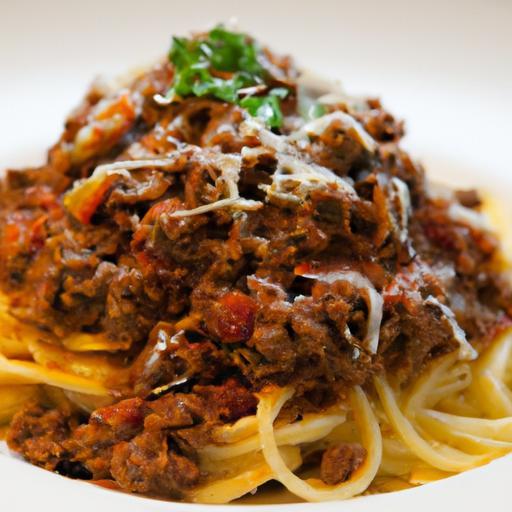
- serve immediatly, garnished with freshly chopped basil or parsley and a generous shave of Parmigiano-Reggiano.
Tips for Success
- Choosing the right cut: Beef chuck provides the perfect balance of fat and connective tissue that melts down during slow cooking for authentic richness.
- Master the sauce texture: Slow simmering is essential – rushing this process results in a less developed, watery sauce.
- Milk addition: Don’t skip the milk phase; it softens the acidity of tomatoes and tenderizes the beef for a harmonious flavor.
- Make ahead: Bolognese tastes even better the next day, as flavors continue to meld. Reheat gently on low heat, adding a splash of broth if needed.
- Variations: For a more complex taste, try adding finely chopped mushrooms or a splash of cream at the end.
Serving Suggestions
Plate your beef Bolognese over freshly cooked tagliatelle for a traditional pairing, or try it over creamy polenta for a hearty twist.A sprinkle of freshly grated Parmigiano-Reggiano and a few torn basil leaves add bright herbal notes. Serve with a crisp green salad and a bold red Italian wine, like Chianti Classico, to complement the richness.

Nutritional Details per Serving
| Calories | Protein | Carbohydrates | Fat |
|---|---|---|---|
| 420 kcal | 28 g | 30 g | 18 g |
Discover more traditional Italian sauces in our extensive guide. To dive deeper into the rich history of Bolognese sauce and Italian culinary traditions,visit the Accademia Italiana della Cucina.
Q&A
Q&A: Beef Bolognese Unveiled – A Savory Classic Explained
Q1: What exactly is Beef Bolognese?
A1: Beef Bolognese is a rich and hearty italian meat sauce that hails from Bologna, a city in northern Italy. at its core, it’s a slow-simmered concoction of ground beef, aromatic soffritto (onions, carrots, celery), tomatoes, and a splash of wine and milk or cream, creating a savory symphony that’s perfect for pairing with pasta.
Q2: How did Bolognese sauce earn its classic status?
A2: The story of bolognese is steeped in tradition and regional pride. Rooted deeply in Bologna’s culinary culture, the original recipes were passed down through generations, prized for their careful layering of flavors rather than a quick-cooked fix.Its rise to international fame came with Italian immigrants taking their treasured recipe abroad, lovingly adapting it while preserving its soul.
Q3: Is all Bolognese made with beef?
A3: Not necessarily! While ground beef is the star protein, authentic Bolognese sometiems incorporates a mix of meats-veal, pork, or pancetta-to deepen the flavor profile. Each meat adds its own nuance, creating a versatile base that chefs often personalize to reflect family recipes or local ingredients.
Q4: What makes Bolognese different from other tomato-based pasta sauces?
A4: Unlike simple marinara or quick tomato sauces, Bolognese is more complex, featuring a slow-cooked meat ragù that blends sweetness from soffritto, acidity from ripe tomatoes, and richness from a splash of milk or cream. Its texture is thick and hearty rather than thin and soupy,making it a comforting sauce that clings beautifully to broad pasta shapes like tagliatelle.
Q5: Can Bolognese be made quickly,or is the slow cook essential?
A5: Patience is a key ingredient! While you can whip up a faster version,the magic of traditional Bolognese comes from hours of gentle simmering. This slow cook tenderizes the meat, melds flavors, and develops a deep, savory complexity that a rushed recipe can’t replicate.
Q6: What pasta is best served with Beef Bolognese?
A6: Tagliatelle is the reigning champion-the broad, flat ribbons catch the chunky sauce perfectly. However, pappardelle or fettuccine also work beautifully. In Italy, spaghetti is less traditional but remains popular internationally.
Q7: How can I make my Bolognese sauce authentically Italian at home?
A7: Start with quality, fresh ingredients-good ground beef, ripe tomatoes or passata, and a classic soffritto. Don’t rush the sautéing of vegetables, and be generous with the wine and milk, which add depth and balance. Stir frequently, simmer slowly, and resist the urge to flood it with salt until the end.
Q8: Are there vegetarian or alternative versions of Bolognese?
A8: Absolutely! While beef remains the classic protein, many cooks have embraced plant-based alternatives like lentils, mushrooms, or textured vegetable protein to mimic the hearty texture and umami depth.These versions keep the soul of Bolognese alive while welcoming modern dietary preferences.
Q9: What wine pairs best with Beef Bolognese?
A9: A robust red wine with good acidity and tannins complements Bolognese beautifully. Think Chianti, Barbera, or a Sangiovese, which can stand up to the richness of the sauce without overpowering it.
Q10: Why is Beef Bolognese considered a comfort food staple worldwide?
A10: It’s the celebration of slow-cooked, deeply layered flavors that hug you like a warm embrace.Each spoonful infuses the senses with the satisfying harmony of savory meat, aromatic herbs, and tender pasta-evoking memories of home, tradition, and timeless culinary love.
Wrapping Up
As the rich aroma of simmered tomatoes, minced beef, and fragrant herbs lingers in the kitchen air, it’s clear that Beef Bolognese is more than just a recipe-it’s a culinary story steeped in tradition and flavor. From its humble origins in Bologna to its beloved place on tables worldwide, this savory classic invites both novice cooks and seasoned chefs to explore its depths and make it their own. So next time you twirl your fork into a hearty plate of Bolognese, remember the layers of history and craftsmanship behind every bite-a timeless comfort that continues to inspire and satisfy.