
Nestled in the sun-drenched plains of SpainS La Mancha region lies a culinary treasure that has captivated palates for centuries: Manchego cheese. With its distinctive nutty flavor and firm, buttery texture, Manchego is more than just a cheese-it’s a story of tradition, artistry, and heritage pressed into every wheel. In this article, we embark on a flavorful journey to unravel the secrets behind Manchego’s unique character, exploring its rich history, meticulous production, and why this iconic cheese continues to be a taste worth savoring around the world. Whether you’re a seasoned cheese lover or a curious food explorer, get ready to discover why Manchego holds a place of honor on tables and hearts alike.
Discovering Authentic Manchego Cheese: Flavors, Pairings, and Care
Unraveling Manchego Cheese: A Taste Worth Savoring unveils the exceptional journey of this iconic spanish cheese, originating from the rugged landscapes of La Mancha. Renowned for its richly nutty flavor and uniquely firm yet creamy texture, manchego embodies centuries of tradition and artisanal craft. Whether you’re a seasoned foodie or a curious culinary adventurer, experiencing Manchego offers more than taste-it’s a festivity of heritage, terroir, and conviviality.
Prep and Cook Time
- Preparation: 10 minutes
- No cooking required – ideal for rapid assembly and immediate enjoyment
Yield
- Serves 4 as an appetizer or cheese course
Difficulty Level
- Easy – Perfect for both beginners and experienced cheesemongers
Ingredients
- 200g authentic Manchego cheese, aged 3-6 months, cut into 1/2-inch slices
- 12 Spanish Marcona almonds, lightly toasted
- 1 tsp Spanish honey (optional, for drizzle)
- Fresh quince paste (membrillo), sliced into small cubes
- Fresh rosemary sprigs, for garnish
- Artisan bread, such as rustic country loaf, sliced
Instructions
- Arrange the Manchego slices neatly on a wooden cheese board or plate, ensuring they are not overlapping for visual appeal.
- scatter the toasted Marcona almonds around the cheese. Their buttery crunch complements Manchego’s firm texture perfectly.
- Place small cubes of quince paste nearby.The sweet, floral notes create a delightful contrast to Manchego’s nutty flavor.
- optionally, drizzle Spanish honey lightly over the cheese slices to introduce a luscious, sweet accent that highlights the aged complexity.
- garnish with fresh rosemary sprigs to add aromatic depth and a splash of vibrant green.
- Serve with slices of artisan bread to offer texture and a neutral base for tasting.
Chef’s Notes
- Age Matters: Younger Manchego (3 months) is milder and creamier,while aged versions (up to 12 months) develop sharper,more complex flavors.choose based on your preference.
- Storage Tips: Wrap Manchego in wax paper and then loosely in plastic wrap to let it breathe. Store in the vegetable drawer at 45-55°F to maintain optimal freshness.
- Substitutions: If unavailable, try other sheep’s milk cheeses like Pecorino but keep in mind the signature flavor profile will vary.
- Make-ahead: Assemble the cheese board up to 1 hour in advance; cover and refrigerate. Let it come to room temperature for 30 minutes before serving to enhance the flavor.
Serving suggestions
present your Manchego cheese board alongside a chilled glass of Tempranillo or a crisp Albariño white wine to elevate every bite. Include fresh figs or grapes for seasonal freshness, and a sprinkling of cracked black pepper for a subtle kick. Enhance the visual appeal with rustic wooden boards and linen napkins, inviting guests to savor the interconnected flavors of sheep’s milk richness, sweet quince, and honeyed notes – a truly memorable culinary experience.
| Nutrient | Per 30g Serving |
|---|---|
| Calories | 110 kcal |
| Protein | 7 g |
| Carbohydrates | 0.5 g |
| Fat | 9 g |

For more curated pairings and deeper culinary insights, check out our exploration of Spanish cheese pairings. To delve further into Manchego’s protected designation of origin and customary production methods, visit the Official Manchego Cheese Consortium for authoritative details.
Q&A
Unraveling manchego Cheese: A Taste Worth Savoring – Q&A
Q1: What exactly is Manchego cheese, and what makes it so special?
A: Manchego is a prestigious Spanish cheese crafted from the milk of Manchega sheep native to the La Mancha region. What sets it apart is its unique nutty, slightly tangy flavor combined with a firm yet creamy texture. Aged between 60 days to two years, each bite tells a story of tradition, terroir, and time.
Q2: How does the origin of Manchego influence its flavor profile?
A: The arid plains of La Mancha bless Manchego with a robust character. The Manchega sheep graze on wild grasses and herbs unique to the region, infusing the milk-and ultimately the cheese-with earthy and floral notes. This harmonious relationship between animal, land, and climate gives Manchego its distinctive depth.
Q3: What are the different aging stages of Manchego,and how do they affect taste?
A: Manchego is usually classified into three categories:
- Fresco (fresh,aged under 60 days): Soft and mild with a buttery sweetness.
- semi Curado (aged 3-6 months): Firmer texture with a balanced nutty flavor.
- Curado (aged 6 months to 2 years): Rich, complex, and slightly piquant with a crumbly texture.
Each stage offers a unique tasting experience, inviting cheese lovers to journey from youthful freshness to mature intensity.
Q4: How should one properly enjoy Manchego cheese?
A: Manchego shines beautifully when paired simply-think crusty bread, quince paste (membrillo), or a drizzle of honey. It also complements robust red wines like Tempranillo or Garnacha, boosting the tasting experience. Serve at room temperature to fully unlock its aromas and flavor nuances.
Q5: Can Manchego be used in cooking, or is it best savored on its own?
A: While Manchego is exquisite on its own, it also plays well in the kitchen. it melts beautifully, making it perfect for gratins, tapas like croquetas, or simply shaved over salads and roasted vegetables. Its savory crunch adds character to any dish without overpowering.
Q6: Is there a way to tell authentic Manchego from imitations?
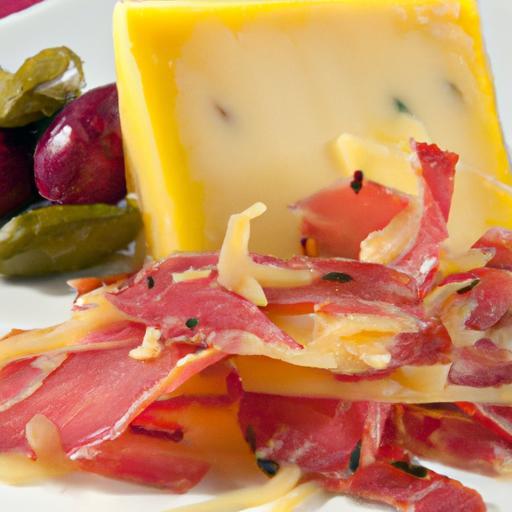
A: Absolutely. Genuine Manchego carries the official D.O.P. (Denomination of Origin) seal, ensuring it’s made with 100% Manchega sheep’s milk in La Mancha. Look for the distinctive zigzag rind pattern and a creamy ivory to pale yellow interior. Beware of cheaper cow’s milk versions-lacking the signature complexity of true Manchego.
Q7: Why has Manchego maintained popularity worldwide for centuries?
A: Manchego embodies the perfect balance of tradition, flavor, and versatility.Its centuries-old crafting methods connect us with Spanish heritage, while its approachable yet distinct taste captivates global palates. Whether as a simple snack or gourmet centerpiece, Manchego continues to be a timeless symbol of culinary artistry.
Dive into your next cheese tasting with Manchego-a journey through Spain’s heartland,one savory slice at a time.
In Retrospect
As the final crumb of Manchego melts away, its rich history and distinctive flavor linger on the palate-and in the heart. More than just a cheese, Manchego encapsulates centuries of tradition, artistry, and the unique character of spain’s la Mancha region. whether enjoyed in a simple tapas spread or paired thoughtfully with wine and olives, it invites you to slow down, savor each bite, and appreciate the story woven into every wheel. So next time you reach for a taste of Manchego, remember: you’re not just indulging in cheese-you’re partaking in a timeless culinary journey worth exploring again and again.