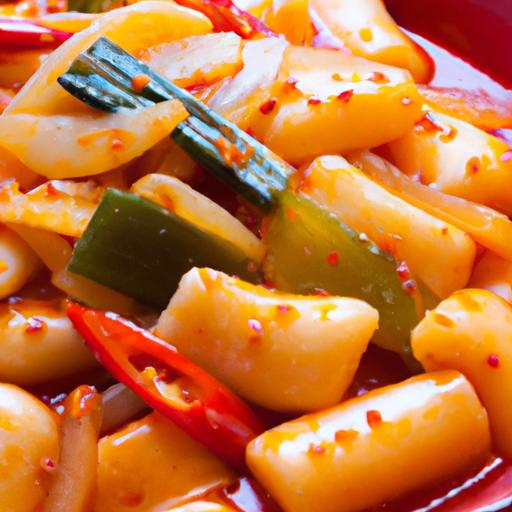

In teh bustling streets of Korea, where vibrant scents mingle with the hum of everyday life, one dish stands out as a beloved symbol of comfort and culture: tteokbokki. These soft, chewy rice cakes drenched in a fiery, sweet-red chili sauce have captured the hearts and taste buds of locals and food enthusiasts worldwide. But beyond its irresistible flavor lies a rich history and a captivating array of variations that tell a story of tradition, innovation, and communal enjoyment. In this article, we unveil the secrets behind Korea’s spicy rice cake delight-exploring its origins, ingredients, and the cultural significance that makes tteokbokki much more than just a street food favorite. Whether your a curious foodie or a seasoned fan, get ready to dive deep into the spicy, savory world of tteokbokki.
Tteokbokki, Korea’s spicy rice cake delight, is a culinary treasure that marries chewy textures with a fiery, sweet-savory sauce-captivating palates across generations and borders. This beloved street food originates from Korea’s Joseon Dynasty, evolving from a royal court dish to an affordable, comforting snack cherished by students and families alike. its rich history interweaves cultural festivities and everyday life, making every bite not just flavorful but deeply meaningful.
Prep and Cook Time
- Preparation Time: 15 minutes
- Cooking Time: 20 minutes
Yield
- Serves 4 people
Difficulty Level
- Easy to Medium
Ingredients
- 500g cylindrical rice cakes (tteok), soaked in warm water for 10 minutes
- 3 cups anchovy and kelp broth (make from dried anchovies and kelp or use vegetable broth)
- 3 tbsp Korean chili paste (gochujang)
- 1 tbsp Korean chili flakes (gochugaru)
- 2 tbsp soy sauce
- 1 tbsp sugar
- 1 tbsp corn syrup or honey
- 3 cloves garlic, minced
- 1 medium onion, thinly sliced
- 2 green onions, chopped (white and green parts separated)
- 150g fish cakes (optional), sliced diagonally
- 1 hard-boiled egg per serving (optional)
- 1 tsp toasted sesame seeds for garnish
- 1 tbsp vegetable oil
Instructions
- Prepare the Broth: In a medium pot, combine 3 cups of water with dried anchovies and kelp. Bring to a boil, then simmer gently for 10 minutes. Remove the anchovies and kelp, leaving a clear, flavorful broth.
- Create the Sauce: Add gochujang, gochugaru, soy sauce, sugar, corn syrup, and minced garlic to the broth. Whisk thoroughly until the chili paste dissolves entirely into a vibrant, red sauce base.
- Sauté the aromatics: Heat vegetable oil in a wide pan over medium heat. add sliced onions and the white parts of green onions. Sauté until fragrant and translucent, about 3-4 minutes.
- Simmer the Rice Cakes: Drain soaked rice cakes and add them to the pan with sauce. Stir gently to coat every piece. Bring mixture to a gentle simmer, stirring occasionally to prevent sticking. Cook for 8-10 minutes until rice cakes turn soft and chewy.
- Add Fish Cakes and Final Touches: Incorporate sliced fish cakes and the green parts of the green onions. Cook for another 2 minutes so flavors meld beautifully.
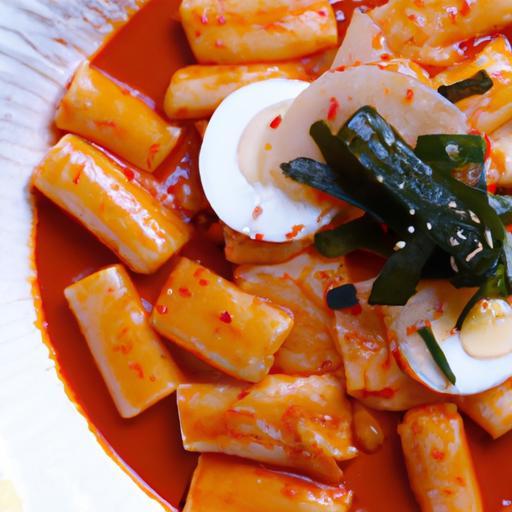
- plate and Garnish: Serve hot in shallow bowls. Garnish with toasted sesame seeds and optionally, halved hard-boiled eggs for a classic touch.
Tips for Success
- Use freshly made rice cakes or soak store-bought ones to soften and prevent clumping during cooking.
- Adjust sweetness and spice by balancing sugar and gochugaru according to your preference.
- For a richer broth, add a spoonful of anchovy stock or dried shiitake mushroom broth.
- Substitute fish cakes with tofu or boiled vegetables for a vegetarian variation.
- Make ahead: Prepare sauce and broth in advance, refrigerate separately. Combine with rice cakes just before serving to maintain texture.
serving Suggestions
Present tteokbokki sizzling hot with a side of crunchy pickled radishes for contrast.Complement the meal with a refreshing korean iced barley tea or sweet milk-based beverages. Garnishes such as finely sliced scallions, sesame seeds, and even a drizzle of creamy mayo brighten the dish’s appearance and depth. Perfect as a shared snack or a hearty quick meal, tteokbokki pairs excellently with simple kimchi or steamed vegetables for a balanced Korean feast.
| Nutrient | Per Serving |
|---|---|
| Calories | 350 kcal |
| Protein | 8 g |
| Carbohydrates | 65 g |
| fat | 4 g |

To immerse further into authentic Korean noodle and rice cake dishes, check out our detailed guide on Korean noodle recipes. For an authoritative resource on Korean food culture, Korea.net offers rich cultural context and culinary insights.
Q&A
Q&A: Tteokbokki Unveiled – Korea’s spicy Rice Cake Delight Explained
Q1: what exactly is Tteokbokki?
A: Tteokbokki (떡볶이) is a beloved Korean street food made primarily from cylindrical rice cakes called tteok, cooked in a vibrant, spicy-sweet sauce. It’s chewy, fiery, and utterly addictive-a comfort food that embodies Korea’s rich culinary soul.
Q2: Where did Tteokbokki originate?
A: Its roots trace back to the Joseon Dynasty, where early versions were more subtle and savory, often cooked with soy sauce and beef broth at royal courts. The modern spicy incarnation,rich with gochujang (Korean chili paste),emerged post-Korean War,becoming the street snack icon loved today.
Q3: what gives Tteokbokki its signature spicy kick?
A: The magic lies in gochujang, a fermented chili paste that balances heat with sweetness and umami. Combined with ingredients like garlic, sugar, and sometimes a splash of fish sauce or anchovy broth, it creates a complex, mouth-tingling sauce that clings lovingly to each rice cake.
Q4: Are rice cakes the only ingredient in Tteokbokki?
A: While rice cakes are the star, Tteokbokki often includes other delights: chewy fish cakes (eomuk), boiled eggs, scallions, and even instant ramen noodles (called rabokki). Some versions add veggies or cheese for extra texture and flavor layers.
Q5: Why is Tteokbokki so popular in Korea?
A: Beyond its comforting taste, Tteokbokki is culturally nostalgic-found everywhere from humble street stalls to trendy cafes. Its affordability, portability, and crave-worthy spice make it a go-to snack for all ages, perfect for sharing and savoring.
Q6: Can Tteokbokki be customized for different palates?
A: Absolutely! While traditionally spicy, it can be toned down with milder sauces or kicked up with extra chili flakes. Vegan and gluten-free versions are also increasingly popular to meet diverse dietary needs, proving that Tteokbokki’s charm is universal.
Q7: How shoudl one enjoy authentic Tteokbokki?
A: Best hot and fresh, straight off the stove or griddle, eaten with chopsticks or a fork. Pair it with cold milk or sweetened rice punch to balance the spice, and perhaps a side of crispy fried snacks to complete the experience.
Q8: Where can newcomers try authentic Tteokbokki?
A: In Korea, visit bustling street markets like Seoul’s Gwangjang Market or Hongdae’s lively alleyways. Outside Korea, many korean restaurants and food festivals offer this fiery delight-just look for menus featuring tteokbokki or spicy rice cakes!
Dive in, embrace the heat, and discover why Tteokbokki continues to captivate taste buds worldwide-one chewy, spicy bite at a time.
Key Takeaways
As the fiery dance of gochujang and the chewy embrace of rice cakes come together in every bite of tteokbokki, we uncover more than just a dish-we unravel a story steeped in Korean culture, history, and innovation. From bustling street stalls to modern fusion menus, this beloved spicy rice cake continues to captivate taste buds worldwide. Whether you’re a seasoned foodie or a curious newcomer, tteokbokki invites you to savor not only its bold flavors but also the rich tapestry of traditions that fuel its enduring appeal. So next time the craving strikes,dive into a bowl of tteokbokki and experience a true taste of Korea’s spirited culinary heart.