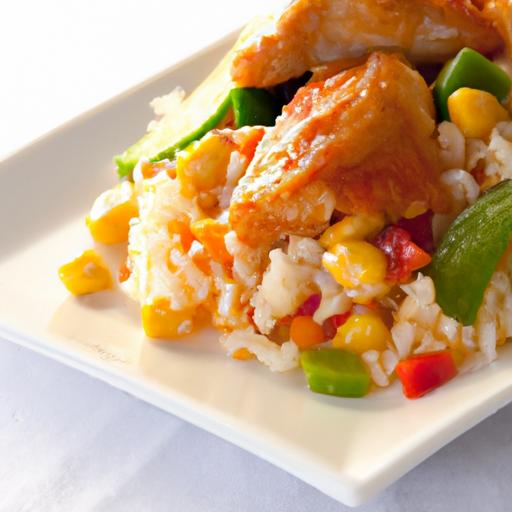

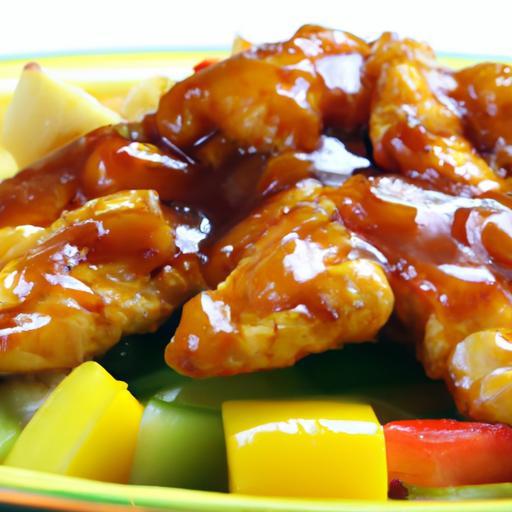
In the vibrant world of culinary delights, few dishes achieve the harmonious dance of flavors quite like sweet and sour chicken. This beloved classic, with it’s luscious glaze and crispy bite, tantalizes taste buds by weaving together contrasting tastes into a single, unforgettable experience. But beyond its appetizing appeal lies an artful balance-a delicate interplay between sugary sweetness and tangy sourness that transforms simple ingredients into a symphony of flavor. Join us as we embark on a flavorful journey to explore the flair behind sweet and sour chicken, uncovering the secrets that make this dish a timeless favorite on tables around the globe.
The Perfect Balance: Exploring Sweet and Sour Chicken Flair
The perfect balance of flavors in sweet and sour chicken flair creates a culinary experience that’s as vibrant as it is indeed comforting. Rooted in Cantonese cuisine but beloved worldwide,this dish beautifully marries tangy,sweet,and umami notes with a crispy,tender bite. My first encounter with this classic was in a bustling family kitchen, where the aroma of caramelized pineapple mingled with freshly fried chicken instantly felt like a warm embrace. Unlocking its flavor harmony and texture secrets will elevate your home cooking from simple to extraordinary.
prep and Cook time
Prep Time: 20 minutes
Cook Time: 25 minutes
Total Time: 45 minutes
Yield
Serves 4 generous portions
difficulty Level
Medium – Ideal for home cooks ready to explore frying techniques and sauce balancing
Ingredients
- 1 lb boneless, skinless chicken thighs, cut into 1-inch pieces
- 1/2 cup cornstarch for coating
- 1 large egg, beaten
- 3/4 cup all-purpose flour, sifted
- 1 cup pineapple chunks (fresh or canned)
- 1 small red bell pepper, cut into bite-sized strips
- 1 small green bell pepper, cut into bite-sized strips
- 3 green onions, sliced diagonally
- 1/4 cup rice vinegar
- 1/3 cup ketchup
- 1/3 cup brown sugar, packed
- 2 tbsp soy sauce
- 2 cloves garlic, minced
- 1 tsp grated fresh ginger
- 1/2 cup water
- 2 tbsp cornstarch mixed with 3 tbsp water (slurry)
- Vegetable oil for frying (about 2 inches deep)
- Sesame seeds and fresh cilantro for garnish (optional)
Instructions
- Prepare the chicken coating: In a shallow bowl, combine the beaten egg, cornstarch, and flour to make a slightly thick batter. The cornstarch will give the batter a light crunch while keeping the chicken tender inside.
- Coat the chicken pieces: Toss the chicken chunks in the batter until evenly coated. Set aside while you prepare the sauce and vegetables.
- Heat the oil: In a deep skillet or wok, warm vegetable oil over medium-high heat until it reaches 350°F (175°C). use a thermometer for precision to ensure crispiness without greasiness.
- Fry the chicken: Fry the coated chicken pieces in batches to avoid overcrowding. Cook for about 5-6 minutes per batch until golden and crispy. Remove with a slotted spoon and drain on paper towels.
- Prepare the sauce: In a medium saucepan, whisk together rice vinegar, ketchup, brown sugar, soy sauce, minced garlic, grated ginger, and water.Bring to a gentle boil over medium heat, stirring frequently.
- Thicken the sauce: Slowly add the cornstarch slurry while stirring continuously until the sauce thickens to a glossy, coat-ready consistency (about 2 minutes). Remove from heat.
- Sauté vegetables: In a separate wok or large skillet, toss the bell peppers and pineapple chunks briefly (2-3 minutes) over high heat to maintain their vivid color and a satisfying crunch.
- Combine: add the fried chicken to the skillet with vegetables, then pour in the sweet and sour sauce. Gently toss everything together to coat evenly without losing the crisp texture of the chicken.
- Garnish and serve: Sprinkle with sesame seeds and sliced green onions. Add fresh cilantro for a herbal brightness that cuts through the richness.
Tips for Success
- Use chicken thighs for juiciness; they stay moist under frying heat better than breast meat.
- Maintain oil temperature between 350°F-360°F to achieve perfect crunch without an oily finish.
- for a lighter version, try oven-baking the coated chicken pieces at 425°F for 20 minutes, flipping halfway.
- The sauce can be adjusted-more vinegar for tang, extra brown sugar for sweetness. Taste as you go to find your ideal balance.
- Make the sauce ahead and store refrigerated for up to 3 days. Simply reheat gently before tossing with freshly fried chicken.
Serving Suggestions
This dish shines alongside steamed jasmine rice or fluffy fried rice. For a fresh crunch contrast, serve with a simple cucumber salad dressed with rice vinegar and sesame oil. Garnish with vibrant scallions and sesame seeds to add depth and visual appeal. Pair with light, citrusy white wines like Riesling or Gewürztraminer to complement the sweet and sour elements beautifully.

| Nutrient | Amount per Serving |
|---|---|
| Calories | 420 kcal |
| Protein | 30 g |
| Carbohydrates | 38 g |
| fat | 15 g |
Want to dive deeper into perfecting Asian-inspired sauces? Check out our Ultimate Guide to Asian Sauces. For more nutritional insights, visit the Nutrition Society.
Q&A
Q&A: The Perfect Balance – Exploring Sweet and Sour Chicken Flair
Q1: what makes sweet and sour chicken such a beloved dish worldwide?
A1: Sweet and sour chicken captivates taste buds by harmonizing two opposing flavors-sugar’s gentle sweetness and vinegar’s shining tang. This dynamic duo creates a playful balance that’s both comforting and exciting, making it a favorite across diverse culinary cultures.Its vibrant colors and crispy textures add to the sensory feast, inviting food lovers into a delicious dance of contrasts.
Q2: How do chefs achieve the perfect balance between sweet and sour in this dish?
A2: Mastering the sweet and sour balance is both an art and a science. Chefs carefully layer ingredients-from the caramelized sugar and fragrant pineapple to the zesty vinegar and fresh tomatoes-adjusting each to complement rather than overpower.Timing is key; the sauce must simmer just enough to meld flavors without becoming overly syrupy or acidic. Texture also plays a role: crispy chicken nuggets act as the perfect vessel for the glossy, flavorful sauce.
Q3: Can sweet and sour chicken be customized to suit different palates?
A3: Absolutely! The beauty of sweet and sour chicken lies in its versatility. those seeking milder flavors can mellow the vinegar with honey or skip the chili flakes, while adventurous eaters might introduce ginger, garlic, or a splash of soy sauce for umami depth. Vegetables like bell peppers and carrots add crunch and color, while substituting chicken with tofu or shrimp caters to various dietary preferences without sacrificing flair.
Q4: What cultural influences have shaped sweet and sour chicken over time?
A4: Sweet and sour chicken is a delicious tapestry woven from Chinese culinary traditions and global palate adaptations. Originating from Cantonese cuisine, it evolved when chinese immigrants incorporated local ingredients and tastes abroad. This fusion birthed regional variations-American-Chinese versions often feature battered pieces in thick, glossy sauce, while some Asian interpretations keep it light and tangy. Each version reflects a story of migration, creativity, and cultural exchange.
Q5: How can home cooks elevate their sweet and sour chicken flair at home?
A5: Home cooks can elevate their dish by focusing on fresh, quality ingredients and mastering key techniques. Using fresh pineapple instead of canned adds natural sweetness and acidity. Double-frying the chicken ensures irresistible crispiness that holds up under the sauce. Experiment with balancing the sauce components-try mixing rice vinegar with a touch of orange juice for brightness or adding a pinch of five-spice powder to deepen flavor complexity. plating with vibrant garnishes like scallions or toasted sesame seeds adds visual appeal and a flavor boost.
Q6: Why does sweet and sour chicken represent more than just a meal?
A6: Beyond its irresistible taste, sweet and sour chicken symbolizes culinary harmony and cultural fusion.It reminds us that contrasting elements-sweet and sour,crunchy and tender,traditional and modern-can come together beautifully. Sharing this dish creates communal joy, connecting people through a shared love for bold flavors and comforting indulgence. In every bite lies a festivity of balance, creativity, and the universal language of food.
In Retrospect
the magic of sweet and sour chicken lies not just in its vibrant flavors, but in the delicate dance between tangy zest and sugary warmth-a culinary ballet that excites the palate and comforts the soul. Whether you’re a seasoned chef or a curious food lover, embracing this perfect balance invites endless creativity, from experimenting with glazes to reimagining textures. So next time you savor that golden bite, remember: it’s more than a dish, it’s a harmonious celebration of contrasts-a flavorful reminder that sometimes, the best things in life come from blending opposites just right.