
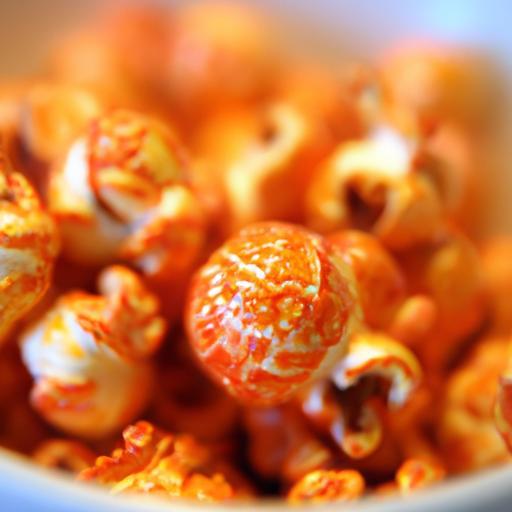
There’s something undeniably magical about the crackle of caramelized sugar enveloping each fluffy kernel of popcorn-a symphony of textures and flavors that delights the senses.But beneath this irresistible treat lies a delicate dance of chemistry and technique, where temperature, timing, and ingredient harmony converge to create that perfect, golden crunch. Welcome to the sweet science behind perfectly crisp caramel popcorn,where we unravel the alchemy of caramelization and the secrets to achieving that flawless balance between crispness and sweetness. Whether you’re an avid snack lover or a curious kitchen explorer, prepare to dive deep into the caramel-coated world where taste meets transformation.
The Sweet Science Behind Perfectly Crisp Caramel Popcorn
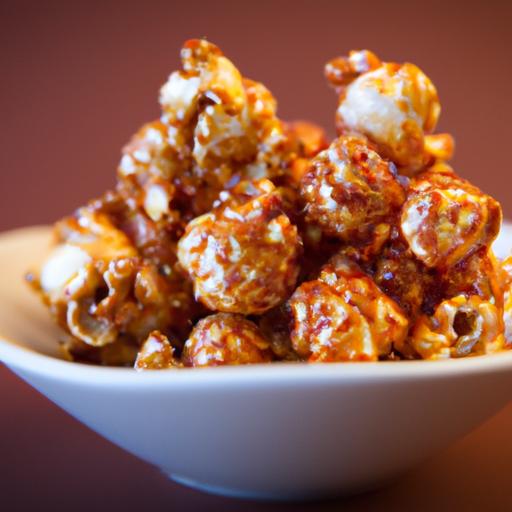
Caramel popcorn is a classic treat that marries the irresistible crunch of popped kernels with the rich, buttery sweetness of caramel. The sweet science behind perfectly crisp caramel popcorn lies in understanding the complex sugar chemistry and mastering key techniques-resulting in that coveted crisp, glossy coating with a deep golden hue. Whether you’re crafting this nostalgic snack for movie night or gifting a homemade delight, this guide will take you through every essential step to achieve flawless caramel crunch and a timeless flavor.
Prep and Cook Time
- Readiness: 15 minutes
- Cooking: 25 minutes
- Total Time: 40 minutes
Yield
Approximately 12 cups of caramel popcorn (serves 6-8)
Difficulty Level
Medium – requires attentive temperature control and timing
Ingredients
- 10 cups popcorn kernels popped (about 1/2 cup unpopped kernels)
- 1 cup unsalted butter (2 sticks)
- 2 cups packed light brown sugar
- 1/2 cup light corn syrup
- 1 tsp kosher salt
- 1 tsp baking soda
- 2 tsp pure vanilla extract
Instructions
- Pop the popcorn kernels using an air popper or stovetop. Spread the popped popcorn evenly on two large, parchment-lined baking sheets, ensuring no unpopped kernels remain. This step is crucial-using fresh, fully popped kernels provides the ideal crunchy base.
- In a medium saucepan, melt 1 cup unsalted butter over medium heat. Stir in 2 cups brown sugar,1/2 cup light corn syrup,and 1 tsp kosher salt. Bring the mixture to a boil, stirring constantly to dissolve the sugar.
- Once boiling, stop stirring and let the syrup boil for exactly 4-5 minutes without disturbance. Use a candy thermometer clipped to the saucepan-aim for a temperature between 240°F (soft ball stage) and 245°F. This temperature ensures the caramel sets with the perfect crunch and avoids graininess.
- Remove the saucepan from heat and promptly stir in 1 tsp baking soda and 2 tsp vanilla extract. The baking soda reacts, creating tiny air bubbles that lighten the caramel texture, resulting in a more delicate coating.
- Quickly pour the caramel sauce over the popcorn on the baking sheets. Using two large spatulas or wooden spoons, gently fold the popcorn to coat evenly without crushing the kernels.
- Place the baking sheets in a preheated oven at 250°F (120°C). Bake for 45 minutes, stirring gently every 15 minutes. This slow baking helps the caramel dry out slightly, ensuring a crisp coating rather than a sticky one.
- Remove from oven and transfer the popcorn to a large bowl to cool completely. Breaking into bite-sized clusters during cooling enhances the experience-thick, crackly shards of caramel encasing each kernel.
Chef’s Notes: Tips for Success
- Temperature is everything: Precise heat control prevents burnt caramel or sticky results. Use a reliable candy thermometer for best results.
- Select popcorn with high expansion: Look for mushroom-style kernels. Their round, fully popped shape provides more surface area and crunch ideal for caramel coatings.
- Even coating: When mixing caramel with popcorn, use folding motions to avoid breaking fragile kernels.
- make-ahead and storage: Store cooled caramel popcorn in an airtight container for up to one week. Add a slice of bread inside to maintain freshness by absorbing moisture.
- Customize flavors: Add a pinch of cayenne pepper or cinnamon to the caramel for a spicy kick, or swap vanilla with bourbon extract for a deeper aroma.
Serving Suggestions
This caramel popcorn shines on its own but pairs wonderfully with a dusting of fine sea salt flakes to amplify sweet and salty contrast.Serve in rustic bowls or decorative cellophane bags tied with twine for gifting.
Transform your snack table by layering caramel popcorn with chocolate drizzles or chopped nuts, creating an irresistible, textured treat perfect for parties or cozy nights in.

Understanding Sugar Chemistry to Achieve the Ideal Caramel Crunch
The magic behind crisp caramel popcorn begins with sugar chemistry. As sugar heats, it undergoes a transformation called caramelization, where sugars break down and rearrange, generating rich flavors and a deep amber color. Achieving the sweet science behind perfectly crisp caramel popcorn means carefully balancing heat to reach the soft ball stage (240-245°F) where the caramel will harden into a perfect brittle shell once cooled. Heating beyond this risks bitterness and burnt flavors, while undercooking will result in a sticky, chewy coating.
Mastering Temperature Control for Flawless Caramel Coating
An accurate candy thermometer is your best ally. Monitoring the temperature ensures your caramel sauce thickens just right before being poured. Once removed from heat,adding baking soda introduces air bubbles,softening the texture without compromising crispness,elevating the sweet science behind perfectly crisp caramel popcorn to a professional level.
Choosing the Right Popcorn Kernels for Maximum crispness
Not all popcorn kernels are made equal. Mushroom kernels pop into large, round clusters ideally suited for caramel coatings because they resist breaking and offer a significant surface for the caramel to cling. Avoid butterfly kernels-they tend to be delicate and can shatter under the weight of caramel.
Expert tips for Even Coating and Long-Lasting freshness
Even coating comes from gentle folding right after pouring the caramel, ensuring every kernel is enveloped by that golden shell. Baking the coated popcorn low and slow dries out excess moisture for that perfected crisp. To maintain crunchiness after baking, store in airtight containers with a slice of fresh bread to absorb humidity, keeping the sweet science behind perfectly crisp caramel popcorn intact for days on end.
| Nutrient | Per Serving |
|---|---|
| Calories | 210 |
| Protein | 3g |
| Carbohydrates | 35g |
| Fat | 8g |
For further reading on caramelization techniques,visit the Cook’s Illustrated caramel science guide. To explore different popcorn kernel varieties, our article on best popcorn kernels for popping will help you select the perfect base for your next batch.
Q&A
Q&A: The Sweet Science Behind Perfectly Crisp Caramel Popcorn
Q1: What makes caramel popcorn so irresistibly crisp?
A1: The secret lies in the magical marriage of sugar chemistry and popcorn texture. When sugar is heated to the right temperature, it undergoes caramelization, transforming into a glossy, brittle coating. This hardened sugar shell wraps each puffed kernel, creating that satisfyingly crisp snap we all adore.
Q2: At what temperature should the caramel be cooked for the best crunch?
A2: Precision is key! For perfectly crisp caramel, the sugar mixture should reach the hard crack stage-around 300°F to 310°F (149°C to 154°C). This ensures the caramel cools into a firm, glass-like coating that won’t turn sticky or soft too quickly.
Q3: Why is butter significant in that caramel mix?
A3: Butter isn’t just for flavor-it’s a textural hero. It adds richness and helps the caramel coat the popcorn evenly, preventing clumping. Plus, the milk fats create a smoother finish that enhances the mouthfeel without sacrificing crispness.
Q4: How does the popcorn itself influence the final crunch?
A4: Not all popcorn kernels are created equal! High-quality popcorn with a sturdy hull and fluffy interior provides the perfect canvas. If the kernel is too moist or soft, the coating won’t adhere well, and the contrast between the crisp caramel shell and tender puff diminishes.
Q5: Does the way you cool caramel popcorn affect its crispness?
A5: Absolutely. After coating, spreading the popcorn out in a single layer allows the caramel to cool quickly and set firmly. Cooling it in a warm (not hot) oven for a short time can also help crystallize the sugar evenly, locking in crispness while preventing sogginess from trapped steam.
Q6: Can you make caramel popcorn crispy without using eggs or corn syrup?
A6: Yes! While some recipes use eggs or corn syrup for binding and shine, pure caramel made from sugar, butter, and a bit of baking soda can yield a beautifully crisp popcorn. baking soda adds tiny bubbles for a light, crackly texture, while skipping extra binders keeps the coating glassy and crisp.
Q7: why does caramel popcorn sometimes lose its crunch after a few days?
A7: Sugar is hygroscopic-it loves to attract moisture from the air. If caramel popcorn isn’t stored in an airtight container, humidity can make the once-crisp caramel coating soft and sticky. Proper storage is essential to preserve that fresh-out-of-the-kettle crunch.
Q8: What’s the role of baking soda in caramel popcorn?
A8: Baking soda isn’t just for baking cakes! When added to hot caramel, it reacts to create tiny carbon dioxide bubbles, aerating the mixture. This lightens the caramel coating,giving it a delicate,crisp texture and a pleasant melt-in-your-mouth quality.
Q9: Can you experiment with flavors without ruining crispness?
A9: Definitely! Incorporating spices like cinnamon, sea salt, or even a splash of vanilla extract can enhance the flavor profile without compromising texture-just add them at the right time during caramelization to preserve the sugar’s ability to crystallize crisply.Q10: What’s the biggest pitfall to avoid when making caramel popcorn?
A10: The main culprit is impatience. Undercooked caramel results in a sticky, chewy coating; overcooked caramel burns and tastes bitter. Using a candy thermometer, stirring constantly, and timing your caramel’s temperature rise precisely will ensure that perfect balance of crunch and sweetness.
Caramel popcorn isn’t just a snack-it’s a delightful science experiment that turns simple ingredients into a symphony of textures and flavors. With a little culinary chemistry, anyone can master the art of that perfect, crispy caramel crunch.
To Conclude
As the final kernel snaps with a satisfying crunch, you realize that perfectly crisp caramel popcorn is far more than a simple treat-it’s a delicate dance of chemistry and craft. From the Maillard reaction that paints each morsel golden, to the precise temperature that seals in that tantalizing crunch, the sweet science behind this beloved snack transforms humble ingredients into irresistible magic. Next time you reach for a handful, take a moment to appreciate the careful alchemy at play, where sugar, heat, and timing converge to create that unmistakable symphony of flavor and texture. In understanding the science,we don’t just savor caramel popcorn-we celebrate the art and precision that makes every bite a little moment of perfection.