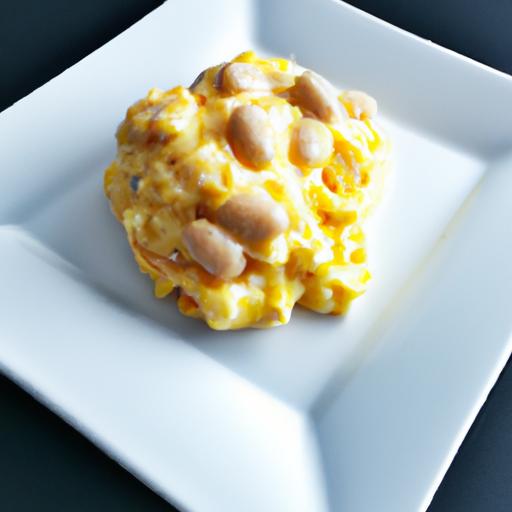

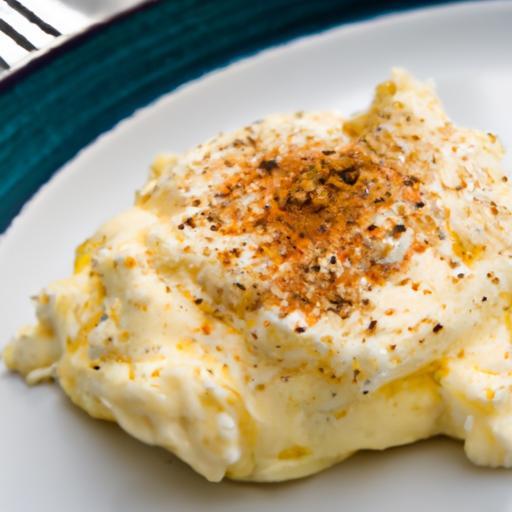
There’s a humble elegance in the perfect scrambled egg – that delicate balance of fluffiness and creaminess that transforms a simple breakfast staple into a culinary masterpiece. Behind it’s seemingly effortless appearance lies a subtle art, one that blends technique, timing, and a touch of intuition.In this article, we’ll crack open the secrets to mastering scrambled eggs so irresistibly tender and velvety, they redefine what it means to start your day deliciously.Whether you’re a kitchen novice or a seasoned cook,prepare to elevate your morning routine with the timeless charm of perfectly scrambled eggs.
Mastering the art of scrambled eggs means unlocking the secret to their irresistibly fluffy and creamy texture. This classic breakfast dish has humble origins, but its simplicity belies the delicate science behind perfect seasoning and cooking technique. From the moment the eggs touch the pan to the final silky fold, every step counts to achieving that melt-in-your-mouth finish that elevates scrambled eggs from ordinary to extraordinary.
Prep and Cook Time
- Preparation Time: 5 minutes
- Cooking Time: 7-10 minutes
- Total Time: 12-15 minutes
Yield
Serves 2 generous portions
Difficulty Level
Easy – Perfect for beginners and seasoned cooks alike
Ingredients
- 4 large eggs,preferably room temperature
- 3 tbsp whole milk or heavy cream for extra creaminess
- 1 tbsp unsalted butter,cut into small pieces
- ½ tsp fine sea salt,adjust to taste
- Freshly ground black pepper,to taste
- Optional: 1 tbsp crème fraîche or cream cheese for ultra-rich texture
- Fresh herbs (chives,parsley,or tarragon),finely chopped,for garnish
Instructions
- In a medium bowl,crack the eggs,ensuring no shells remain. Add the milk or cream, salt, and a pinch of pepper. Whisk vigorously using a fork or a small whisk until the mixture is homogenous and slightly frothy, which aerates the eggs for maximum fluffiness.
- Heat a non-stick skillet over low to medium-low heat. Add the butter and let it melt gently without browning. Low heat is crucial to controlling the texture without drying out the eggs.
- Pour the egg mixture into the pan. Allow it to sit undisturbed for about 15 seconds, letting the edges start to set.
- Using a silicone spatula, gently stir the eggs in small, slow circles, scraping the cooked portion from the bottom of the pan. Continuously fold the eggs over themselves to trap air and retain moisture.
- Once the eggs begin to coalesce but are still visibly creamy and slightly runny (after about 3-4 minutes), remove the pan from heat. Residual warmth will finish cooking them without over-drying.
- At this stage, fold in the optional crème fraîche or cream cheese for a decadent, velvety finish. Adjust seasoning with extra salt or pepper if needed.
- Plate the eggs immediately to preserve their soft texture, then garnish with fresh herbs.
Tips for Success
- Use fresh eggs at room temperature to improve binding and fluffiness.
- Never rush the cooking process with high heat; gentle heat guarantees the perfect creamy texture.
- Whisking well before cooking introduces air, helping the eggs expand into light curds instead of dense clumps.
- If you prefer firmer scrambled eggs, cook a little longer but always remove them just before fully cooked to avoid dryness.
- For an added layer of flavor, experiment with finishing your eggs with a sprinkle of grated cheese or a dash of smoked paprika.
- Make-ahead tip: Gently reheat leftovers over low heat with a splash of milk, stirring softly to restore creaminess without toughness.
Serving Suggestions
Scrambled eggs shine when paired with a variety of complementary elements. Serve atop toasted sourdough or a buttery croissant for a delightful contrast of textures. Add ripe avocado slices, a handful of arugula, or lightly sautéed mushrooms to boost both flavor and nutrition. Finish your presentation with a sprinkle of finely chopped chives or a handful of microgreens for a burst of fresh aroma and color that invites each bite.

| Nutrient | Per Serving |
|---|---|
| Calories | 280 kcal |
| Protein | 18 g |
| Carbohydrates | 2 g |
| Fat | 22 g |
For a deeper dive into egg science and cooking tips, check out our complete guide on perfect omelette techniques. To further understand the nutritional benefits and dietary aspects of eggs,visit the Healthline resource on egg nutrition.
Q&A
Q&A: the Art of Scrambled Eggs – Fluffy, Creamy, and Perfect
Q1: Why are scrambled eggs considered an art form?
A1: Scrambled eggs might seem simple, but mastering their texture and flavor is a culinary dance of technique, timing, and ingredients. Achieving the perfect balance between fluffiness and creaminess requires understanding heat control, ingredient ratios, and gentle folding-transforming humble eggs into a luxurious breakfast experience.
Q2: What makes scrambled eggs fluffy versus creamy?
A2: Fluffy eggs are all about incorporating air-whisking vigorously and cooking over medium-low heat allows tiny bubbles to form, resulting in a light, airy texture. Creamy eggs, though, emphasize gentle heat and slow cooking, frequently enough with the addition of dairy like cream or milk, creating a soft, custard-like finish that melts on your tongue.
Q3: How important is the choice of heat when cooking scrambled eggs?
A3: Heat is the heartbeat of perfect scrambled eggs. Too high, and you’ll get rubbery curds; too low, and they may take forever to set or remain undercooked. The ideal is low to medium-low heat, allowing the eggs to cook slowly, develop tender curds, and retain moisture without browning.
Q4: Should I add milk or cream to my scrambled eggs?
A4: Adding a splash of cream or milk is a personal touch that enriches the eggs and enhances creaminess. Milk lightens the texture, while cream gives a more decadent silkiness. Though, purists argue that quality eggs alone can deliver supreme flavor and texture without additives-it’s your canvas to paint!
Q5: What techniques can elevate scrambled eggs from ordinary to extraordinary?
A5: Elevate your eggs by stirring gently with a silicone spatula, folding rather than beating, and removing the pan from heat just before they’re fully set to let residual warmth finish the cooking. Experimenting with finishing touches-like a sprinkle of flaky sea salt, fresh herbs, or a dash of tangy cheese-also adds layers of flavor.
Q6: Can I make scrambled eggs ahead of time?
A6: Scrambled eggs are best enjoyed fresh for that perfect texture and warmth.If you must prepare them ahead, slightly undercook and refrigerate, then gently reheat over low heat with a splash of milk or butter to regain softness. Though never quite as sublime as morning-of magic,this method preserves much of their charm.
Q7: Any secrets to preventing watery scrambled eggs?
A7: Watery eggs usually result from overcooking or excessive liquid additions. Use fresh eggs, moderate your dairy, and cook slowly while stirring gently. Draining any excess liquid from the whisked eggs before cooking can also help maintain a luscious but firm consistency.
Q8: what’s the ultimate mindset for mastering scrambled eggs?
A8: Patience and mindfulness. Approach your eggs with respect for their simplicity and potential.slow down, tune into the subtle changes in texture and aroma as they cook, and embrace the joy in crafting something deceptively effortless yet profoundly satisfying.
Scrambled eggs may be simple, but like any art form, perfection lies in the passion, patience, and polish you bring to the process.
The Way Forward
Mastering the art of scrambled eggs is more than just a morning routine-it’s a celebration of simplicity transformed by technique. From the delicate fold of cream to the gentle coaxing of heat, each step shapes a symphony of fluffy, creamy perfection. Whether you savor them plain or adorn them with herbs and cheese, these eggs remind us that even the humblest ingredients hold endless potential. So next time you whisk, cook, and fold, embrace the process with patience and passion, turning breakfast into an art form worth savoring.