
From ancient feasts to modern dessert menus, cheesecake has long held a special place in our culinary hearts-a luscious blend of creamy textures and rich flavors that transcends time and culture. But beneath its velvety surface lies more than just indulgence; cheesecake is a interesting intersection of art,science,and history. In “The Art of Cheesecake: Sweet science and Delicious History,” we embark on a journey that explores how chemistry transforms simple ingredients into silky perfection, traces the dessert’s storied origins across civilizations, and celebrates the creativity that continues to reinvent this beloved classic. Prepare to uncover the secrets behind every bite and discover why cheesecake is not just a dessert, but a timeless masterpiece.
Cheesecake, a timeless dessert beloved worldwide, offers much more than indulgent pleasure-it is a culinary journey that intertwines rich cultural origins with a fascinating scientific dance of ingredients. From ancient Greek beginnings to the velvety cheesecake variations gracing tables from Japan to New York, the secrets behind its creamy and fluffy texture unlock the art and chemistry that make it irresistible.
Prep and Cook Time
- Preparation: 25 minutes
- Baking: 50 minutes
- Cooling and Chilling: 4 hours (preferably overnight)
Yield
8 to 10 generous servings
Difficulty Level
Medium – Perfect for bakers ready to explore flavour nuances and texture mastery
Ingredients
- For the crust:
- 1 ½ cups graham cracker crumbs (or digestive biscuits, finely crushed)
- ⅓ cup granulated sugar
- 7 tbsp unsalted butter, melted
- ½ tsp ground cinnamon (optional, for warmth)
- For the filling:
- 4 (8 oz) packages cream cheese, softened to room temperature
- 1 ¼ cups granulated sugar
- 1 tsp pure vanilla extract
- 3 large eggs, at room temperature
- 1 cup sour cream, at room temperature
- 2 tbsp all-purpose flour
- 1 tbsp freshly squeezed lemon juice
Instructions
- Prepare the crust: Preheat oven to 325°F (163°C). In a bowl, combine graham cracker crumbs, sugar, cinnamon, and melted butter. Mix until evenly moistened.
- Press the crumb mixture firmly and evenly into the bottom of a 9-inch springform pan. Use the back of a spoon or a flat-bottomed glass for an even crust. Bake for 10 minutes. remove and cool slightly.
- Make the filling: In a large bowl, beat softened cream cheese with an electric mixer on medium speed until creamy and smooth-about 3 minutes.This step is crucial for the dreamily smooth texture.
- Add sugar gradually and beat on low until combined, scraping down the sides frequently enough.
- Mix in vanilla extract,then add eggs one at a time,beating gently after each to incorporate without adding air-avoiding cracks in the final bake.
- Blend in sour cream, flour, and lemon juice until the mixture is silky and uniform.Overmixing here can effect fluffiness,so combine carefully.
- Pour filling over the crust and smooth the top with a spatula.
- Bake at 325°F (163°C) for 50 minutes, or until the edges are set but the center still jiggles slightly when nudged. This ensures a tender and moist middle.
- Turn off the oven and leave the cheesecake inside with the door slightly open for 1 hour-this gradual cooling prevents cracks.
- Remove from oven and cool at room temperature for 30 minutes, then refrigerate for at least 4 hours, preferably overnight, to develop flavor and texture.
- Run a knife around the edge before releasing the springform to avoid tearing.
Expert Tips for Flavor variations and Presentation Styles
- Infuse flavors: Add spices like cardamom or nutmeg to the crust for warmth or fold in finely chopped dark chocolate or citrus zest into the filling for an enticing twist.
- Texture play: Swirl in fruit preserves (e.g., raspberry or passionfruit) right before baking for marbled depths of flavor.
- Presentation styles: Garnish with fresh berries, edible flowers, or a dusting of powdered sugar and toasted nuts for vibrant contrast and texture.
- Crust alternatives: Replace graham crackers with crushed amaretti cookies or gingersnaps for culturally distinct profiles.
- Make ahead: Cheesecake improves with time-prepare a day in advance, keeping it chilled and covered to perfect its creamy, luscious consistency.
Mastering the Perfect Crust and Filling Balance
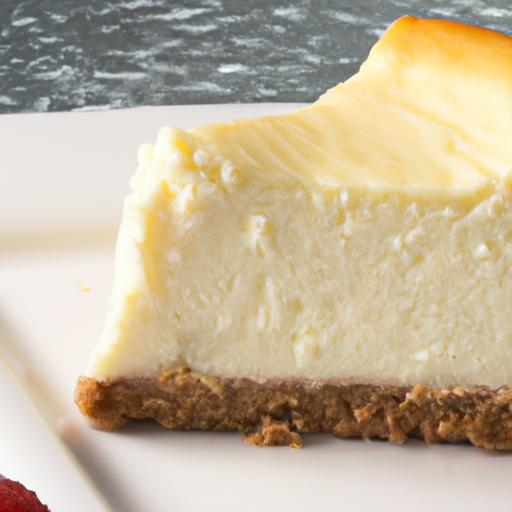
A pivotal element in cheesecake artistry is balancing the sturdy crunch of the crust with the tender, smooth filling. The crust anchors each bite, delivering just enough firmness without overshadowing the creamy silkiness of the cheese layer. Use cold butter sparingly to avoid sogginess and allow the flour in the filling to provide subtle structure, preventing an overly dense texture.Remember, patience in cooling and chilling is your secret weapon-the slow regimen invites flavors to meld and textures to harmonize perfectly.
The Chemistry Behind Creamy and Fluffy Textures
The secret to cheesecake’s luscious mouthfeel lies in the chemistry between proteins and fats. Cream cheese’s rich fat content combined with sour cream’s acidity helps break down proteins gently during mixing and baking. Low and slow baking coagulates proteins softly, avoiding tight curds that cause dryness. Adding eggs introduces structure by coagulating upon heat, yet careful folding preserves aeration for fluffiness. Meanwhile, flour acts as a stabilizer, balancing moisture and tenderness. Understanding these interactions turns cheesecake baking from simple cooking to edible science.
| Nutrient | Per Serving |
|---|---|
| Calories | 390 kcal |
| Protein | 7 g |
| Carbohydrates | 28 g |
| Fat | 28 g |
Serving Suggestions
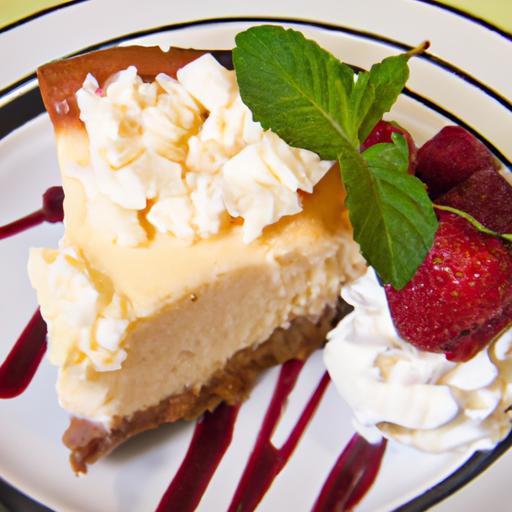
Serve chilled slices on elegant white plates to highlight the cheesecake’s pale golden hues. Add a drizzle of fresh berry coulis, a dollop of lightly whipped cream, and a sprig of mint to invigorate both taste and appearance. For a visually stunning centerpiece, arrange an assortment of mixed berries atop the cooling cheesecake, allowing colors to pop against the creamy canvas. For an inviting contrast,pair with a cup of rich espresso or a delicate glass of dessert wine.

Discover how mastering these elements enhances your baking journey and DELIGHTS every palate. For a deeper dive into pairing desserts with wines, check out our dessert wine pairing guide. To explore the scientific foundation of dairy fermentation, visit this Nature article.
Q&A
Q&A: The Art of Cheesecake – Sweet Science and Delicious History
Q1: What makes cheesecake more than just a dessert?
A1: Cheesecake is a masterpiece that marries science with culinary art. It’s a delicate balance of chemistry-how cream cheese proteins interact with eggs and sugars-and creativity, resulting in a luscious texture and rich flavor that has enchanted palates for centuries. Each slice tells a story of precision and passion.Q2: Where did cheesecake originate,and how has it evolved?
A2: Cheesecake’s roots trace back to ancient Greece,where it was served as an energy boost for wrestlers during the first Olympic Games. Over millennia, it migrated through Roman kitchens, medieval Europe, and into the melting pots of the New World. Today, it morphs through countless cultural variations-from the dense New York style to airy Japanese souffle-embracing innovation while honoring tradition.
Q3: Why is the texture of cheesecake so significant, and how is it achieved?
A3: Texture is cheesecake’s signature fingerprint. It can range from velvety smooth to delightfully dense, and achieving this requires precise technique. The sweet science lies in temperature control, ingredient ratios, and baking methods-slow baking in a water bath prevents cracking and creates that coveted creamy consistency that melts on your tongue.
Q4: What role do ingredients play in crafting the perfect cheesecake?
A4: Each ingredient is a vital player in the composition. Cream cheese provides richness and tang; eggs contribute structure and silkiness; sugar adds sweetness and tenderness; and the crust anchors the ensemble with crunch and warmth. Even the milk solids and fats matter, influencing flavor and mouthfeel. Mastering these elements is akin to conducting a symphony of taste.
Q5: are there any surprising facts about cheesecake’s cultural importance?
A5: Absolutely! Beyond its deliciousness, cheesecake has played intriguing roles-being served at weddings as a symbol of fertility and prosperity, appearing in religious feasts, and even inspiring poets and painters. Its enduring popularity reflects humanity’s yearning for comfort and celebration,wrapped in that creamy,cheesy embrace.
Q6: How can home bakers experiment with cheesecake to make it their own?
A6: The art of cheesecake invites curiosity! Home bakers can explore flavor infusions like lavender, espresso, or exotic fruits; swap traditional crusts for nutty or spiced versions; or play with textures by adding crunchy toppings or silky layers. Understanding the sweet science behind it empowers bakers to craft personalized slices of heaven with every attempt.
Q7: What is the future of cheesecake in modern gastronomy?
A7: cheesecake continues to evolve, embracing health-conscious ingredients like plant-based cheeses, alternative sweeteners, and gluten-free crusts. Chefs experiment with deconstructed presentations, fusion flavors, and interactive experiences. The future of cheesecake is a delicious dialogue between heritage and innovation, always inviting new interpretations without losing its soulful charm.
Dive into the art of cheesecake, and you’re savoring more than dessert-you’re indulging in centuries of history and the elegant chemistry that transforms simple ingredients into a timeless culinary treasure.
Key Takeaways
From its ancient origins in the cradle of civilization to the countless variations that grace modern dessert menus, cheesecake remains a testament to the harmonious blend of art and science. Behind every creamy bite lies a delicate chemistry of ingredients and techniques, perfected over centuries yet ever-evolving with new twists and flavors. Whether savored plain or adorned with vibrant toppings, cheesecake continues to captivate taste buds and inspire bakers around the world. As you explore this sweet symphony of history and flavor, may you appreciate not just the indulgence on your plate, but the rich story and precise craft that make cheesecake truly timeless.