

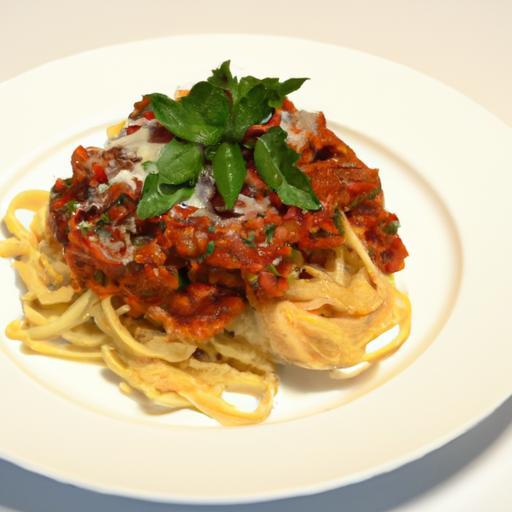
beneath the rolling hills of Emilia-Romagna, where culinary tradition runs as deep as history itself, lies the heart and soul of one of Italy’s most beloved sauces: Bolognese. More than just a simple meat ragù, this rich, slow-simmered marvel embodies centuries of craftsmanship, regional pride, and an unspoken love for robust, comforting flavors. In “Bolognese Sauce unveiled: Crafting Italy’s Rich Classic,” we embark on a flavorful journey to uncover the secrets behind this iconic sauce – exploring its authentic roots, essential ingredients, and the artful techniques that transform humble components into a timeless masterpiece. Whether you’re a seasoned cook or a curious food lover, prepare to delve deep into the luscious layers of Italy’s culinary heritage, one simmer at a time.
Origins and Traditions Behind Bolognese Sauce
Bolognese sauce unveils a rich culinary heritage that hails from Bologna, Italy-a city renowned for its hearty and rustic flavors. This celebrated ragù has been perfected over centuries, evolving from a humble meat-based stew into the iconic sauce that graces tables worldwide today. Traditionally, it embodies the essence of Emilia-Romagna’s kitchen: slow-cooked, deeply savory, and lovingly crafted using locally sourced ingredients. the sauce is more than just a pasta topping; it’s a cultural symbol of comfort,family gatherings,and the art of patience in cooking.
Originating in the 18th century, classic Bolognese was first codified by the Accademia Italiana della Cucina in the mid-20th century, emphasizing specific ingredients and slow simmering as key to authenticity.While variations exist, the classic version uses a fine soffritto base and combines multiple meats for a layered umami profile. Understanding these roots connects you to a tradition that celebrates both simplicity and depth in each bite.
Selecting the Perfect Ingredients for Authentic Flavor
To craft an authentic Bolognese sauce, ingredient selection is paramount. Start with high-quality ground beef and pork, ideally with a balanced fat content (around 20%) to ensure richness without greasiness. Opt for fresh carrots, celery, and onions for the soffritto, finely diced to melt into the sauce and build a sweet aromatic foundation.
Use a mix of whole milk and dry white wine to tenderize the meat and mellow acidity. Authenticity shines through when you choose San Marzano tomatoes or a high-grade Italian canned tomato by-products, ensuring natural sweetness and depth without overpowering the sauce. Don’t forget a touch of nutmeg, freshly grated, to add warmth and subtle spice that completes the flavor profile.
Prep and Cook Time
- Preparation: 25 minutes
- Cooking: 2 hours 30 minutes
- Total Time: 2 hours 55 minutes
Yield
Serves 6 hearty portions, perfect to share or freeze for future meals.
Difficulty Level
Medium – Requires patience and attention but accessible for any motivated home cook.
Ingredients
- 2 tablespoons extra virgin olive oil
- 3 tablespoons unsalted butter
- 1 medium onion, finely diced
- 1 medium carrot, finely diced
- 2 stalks celery, finely diced
- 150g (5 oz) pancetta, finely chopped
- 350g (12 oz) ground beef (preferably chuck)
- 150g (5 oz) ground pork
- 1 cup whole milk
- 1 cup dry white wine
- 400g (14 oz) canned San Marzano tomatoes, crushed
- 2 tablespoons tomato paste
- Salt and freshly ground black pepper, to taste
- 1/4 teaspoon freshly grated nutmeg
- 1 cup beef broth (optional, for adjusting consistency)
Step by Step Guide to Mastering the Classic Bolognese
- Warm the olive oil and butter in a large heavy-bottomed saucepan over medium heat until melted and shimmering.
- Add the finely diced onion, carrot, and celery (soffritto) and sauté gently for 8-10 minutes, stirring frequently until soft and translucent but not browned.
- Stir in the pancetta and cook until rendered and slightly crisp around the edges, about 5 minutes.
- Add the ground beef and pork, breaking it apart with a wooden spoon. Cook until browned evenly, approximately 8 minutes, stirring regularly to create a fine crumb texture.
- Pour in the whole milk and sprinkle the nutmeg, allowing it to simmer gently until fully absorbed and the mixture is almost dry. This step tenderizes the meat and softens flavors.
- Increase the heat and add the white wine, letting it reduce almost entirely for a shining yet balanced acidity.
- Stir in the crushed tomatoes and tomato paste, then reduce to a very low simmer.
- season with salt and pepper to taste. Cover partially and cook gently for at least 2 hours, stirring occasionally.If the sauce thickens too much, add beef broth or water to maintain a loose, stew-like consistency.
- Before serving, taste and adjust seasoning. For a gourmet finish, cook an additional 10 minutes uncovered to deepen flavor and thicken slightly.
Tips and Tricks for Elevating Your Bolognese to Gourmet Levels
- Choose your meat wisely: Mix beef with pork or veal for a balanced fat content and complexity.
- don’t rush the soffritto: Slowly cooked vegetables are key for a luxurious base.
- Milk matters: Adding milk early helps soften acidity and create a silkier texture.
- Simmer low and slow: Patience unlocks the deep, melded flavors inherent to an extraordinary Bolognese sauce.
- Infuse character: Try a small splash of cream at the end for an even richer mouthfeel.
- Make-ahead magic: The sauce improves after a day or two refrigerated. Freeze portions for effortless gourmet meals later.
- Garlic is optional: Traditional Bolognese rarely includes garlic; reserve it for your own spin.
serving Suggestions
Classic Bolognese pairs beautifully with fresh tagliatelle or wide egg pasta. Spoon the silky sauce generously over the al dente pasta, allowing it to cling to every strand. Garnish with freshly grated Parmigiano-Reggiano and a scattering of chopped flat-leaf parsley to brighten the plate with color and aroma. Serve alongside rustic garlic bread or a crisp green salad to balance richness. for a traditional touch, offer a glass of Italian Sangiovese or a Chianti, heightening the dish’s deeply savory notes.

| Nutrient | Per Serving (approx.) |
|---|---|
| Calories | 420 kcal |
| Protein | 28g |
| carbohydrates | 12g |
| Fat | 28g |
for those looking to further explore Italian cuisine, check out our detailed Italian pasta recipes that complement the hearty Bolognese sauce perfectly. To understand more about the intricate origins of regional Italian dishes, visit the Accademia Italiana della Cucina.
Q&A
Q&A: Bolognese Sauce Unveiled – Crafting Italy’s rich Classic
Q1: What exactly is Bolognese sauce, and how does it differ from regular meat sauces?
A1: Bolognese, or ragù alla bolognese, is more than just a meat sauce – it’s a carefully crafted symphony of flavors born in Bologna, Italy. Unlike a simple meat sauce that might rely heavily on tomatoes, Bolognese boasts a slow-cooked blend of finely minced beef (and often pork), soffritto vegetables, a splash of wine, and just enough tomato to balance rather than dominate.Its richness and creamy texture come from the addition of milk or cream, making it luxuriously hearty and distinctively Italian.
Q2: what are the essential ingredients that define a traditional Bolognese?
A2: Authentic bolognese hinges on a humble but precise ingredient list: minced beef (sometimes mixed with pork or pancetta), aromatic soffritto (onions, carrots, celery), a touch of tomato paste or crushed tomatoes, dry white wine, milk or cream, and seasoning. Olive oil and butter provide the fat foundation, while slow simmering melds all elements into a deeply savory masterpiece.Q3: Why is the slow cooking process crucial in making bolognese?
A3: Patience is the secret ingredient of Bolognese. Slow simmering allows the meat to tenderize and the flavors to layer harmoniously. Over time, the wine evaporates, the tomatoes soften, and the milk adds silkiness – resulting in a sauce with nuanced depth and velvety texture that quickly cooked sauces can’t match.
Q4: Can Bolognese be made with alternatives to traditional meat?
A4: Absolutely! While the classic relies on beef and pork, modern adaptations embrace ground turkey, chicken, or even plant-based proteins like lentils or mushrooms to maintain heartiness. These variations honor the spirit of ragù by focusing on layering umami-rich flavors and slow cooking, even when straying from tradition.
Q5: What’s the traditional way to serve Bolognese in Italy?
A5: In Bologna, ragù alla Bolognese famously pairs with tagliatelle – fresh, flat egg pasta – which holds the sauce’s richness beautifully. it’s also the star ingredient in lasagna alla Bolognese, layered with béchamel for pure indulgence. Spaghetti,while popular internationally,isn’t the typical Bolognese canvas,as its thin strands don’t carry the chunky sauce as effectively.
Q6: How can home cooks elevate their Bolognese to restaurant quality?
A6: Start with quality ingredients and give yourself time – proper Bolognese simmers for at least two hours, sometimes longer. Don’t rush the soffritto stage; gently sweat the veggies until soft and fragrant.Use a splash of milk to soften the acidity and add creaminess. finish with freshly grated Parmigiano-Reggiano for that authentic Italian flourish.Q7: Is Bolognese sauce versatile beyond pasta dishes?
A7: Indeed! Bolognese’s rich,meaty depth makes it a perfect filling for stuffed vegetables,a hearty topping for polenta,or a base in savory pies and casseroles. it’s a culinary chameleon, translating the warmth of Italian tradition across many plates.
With this Q&A, you’re invited to unlock the secrets of Italy’s beloved Bolognese – where patience, simplicity, and love create a sauce that’s truly timeless. Buon appetito!
Key takeaways
As the rich aromas of simmering tomatoes, tender meat, and fragrant herbs fill your kitchen, you become part of a timeless Italian tradition-a culinary story passed down through generations. Crafting the perfect Bolognese sauce is more than just following a recipe; it’s an art of patience, passion, and precision. Whether spooned generously over fresh pasta or layered in a hearty lasagna, this iconic sauce embodies the warmth and soul of Italy’s Emilia-Romagna region. Armed with these insights and techniques, you’re now ready to bring a taste of Bologna to your table, transforming simple ingredients into a masterpiece of flavor that honors the legacy of Italy’s rich classic. Buon appetito!