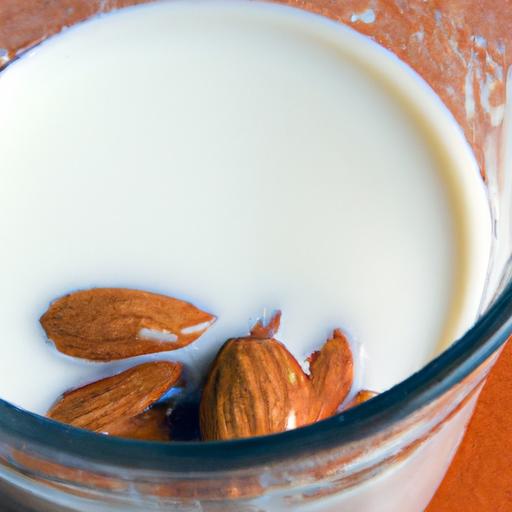

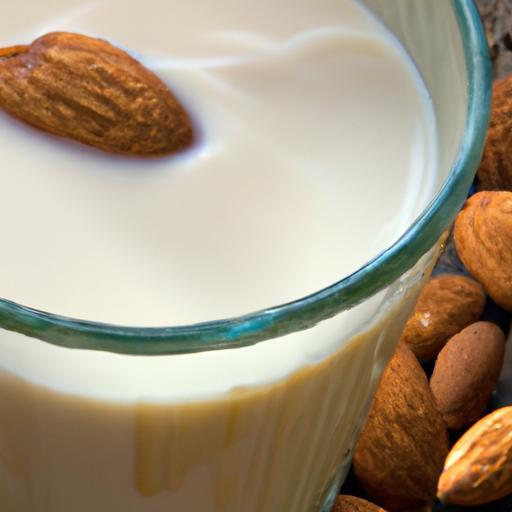
Imagine a velvety splash of nutty goodness transforming your morning coffee or smoothie into a creamy delight-all made effortlessly in your own kitchen. Almond milk,long celebrated for its subtly sweet flavor and nourishing qualities,has never been easier to craft from scratch. This homemade almond nut milk recipe not only unlocks the pure, fresh taste of almonds but also allows you to customize every silky sip to your liking. Say goodbye to store-bought cartons filled with preservatives and hello to a wholesome, natural choice that’s as simple to make as it is indeed satisfying.Let’s dive into the art of creating your own luscious almond milk-fresh,flavorful,and utterly delightful.
Choosing the Perfect Almonds for Rich and flavorful Milk
Creamy Delight almond nut milk begins with selecting the right almonds-this simple choice can elevate your homemade almond milk from ordinary to extraordinary.Opt for whole, raw, and unsalted almonds, preferably organic, as these offer the purest flavor and richest texture. Blanched almonds produce a smoother milk, while unblanched ones give a slightly earthier taste and vibrant nutty aroma. When available, try to pick freshly harvested almonds for maximum creaminess and natural sweetness.Avoid pre-roasted or salted nuts-they will compromise the delicate flavor and might interfere with your natural sweetening efforts.
Step-by-Step Guide to Soaking and Blending for Ultimate Creaminess
Achieving that luscious, silky texture starts with a thorough soaking process.Soaking softens the almonds, unlocking their natural oils and nutrients. Begin by rinsing 1 cup of raw almonds under cold water, then cover them with at least 3 cups of filtered water. Let them soak for 8 to 12 hours, or overnight, at room temperature. This rehydration ensures a smoother blend and removes phytic acid, enhancing digestibility.
- Drain and rinse the soaked almonds thoroughly under cool water to remove residual bitterness.
- Place the almonds in a high-speed blender along with 3 to 4 cups of fresh filtered water,depending on your desired thickness.
- Blend on high for 2-3 minutes until the mixture turns creamy and frothy. Don’t rush-proper blending extracts maximum creaminess.
- Pour the almond slurry through a nut milk bag or fine cheesecloth into a large bowl. squeeze firmly to extract every drop of velvety milk, leaving behind the pulp.
- Optional step: For an ultra-smooth texture, strain the milk a second time using a fine mesh sieve.
Tips for Sweetening and Flavoring Your Almond Milk Naturally
Onc your fresh almond milk is ready, naturally sweeten and enhance it with simple pantry staples to suit every mood:
- Maple syrup or raw honey: Add 1 to 2 tablespoons for a gentle, caramel-like sweetness.
- Medjool dates: Soak 2 dates and blend them in with the almonds for rich, fruity notes and natural sugars.
- Vanilla bean or extract: A teaspoon of pure vanilla extract or scraped seeds from half a vanilla bean add aromatic warmth.
- Cinnamon or nutmeg: Sprinkle a pinch for a cozy, spiced flavor perfect for chilly mornings.
- Pinch of sea salt: Enhance the natural nutty taste and balance sweetness beautifully.
Remember, you can adjust sweetness and flavor to your liking-experimenting with combinations turns each batch of homemade almond milk into a appetizing, personalized treat.
Storing Your homemade Almond Milk for Freshness and Longevity
Proper storage is crucial to enjoy your almond milk at its best. Pour the milk into a clean, airtight glass container-preferably with a wide mouth for easy pouring. Store it in the coldest part of your refrigerator, were it will keep fresh for up to 4 to 5 days. shake well before each use as separation is natural without preservatives.
If you spot any sour smell or curdling, discard immediately.Consider using the leftover almond pulp by drying it in a low oven to incorporate into baked goods or smoothies, minimizing waste. For speedy access, you can also freeze almond milk in ice cube trays and thaw portions when needed without sacrificing creaminess.
Prep and Cook Time
- Prep time: 10 minutes (+ 8-12 hours soaking)
- Cook time: 5 minutes
- Total time: Approximately 8 hours 15 minutes (mostly soaking)
yield
About 4 cups (1 quart) of creamy almond milk
Difficulty level
Easy – perfect for beginners and seasoned cooks alike
Ingredients
- 1 cup raw, whole almonds (soaked overnight)
- 3-4 cups filtered water, for blending
- 1-2 tablespoons natural sweetener (maple syrup, honey, or 2 soaked Medjool dates)
- 1 teaspoon pure vanilla extract (optional)
- Pinch of sea salt (optional)
- Ground cinnamon or nutmeg for flavoring (optional)
Instructions
- Soak the almonds: Rinse almonds and soak them in filtered water for 8 to 12 hours or overnight.
- Drain and rinse: After soaking, drain and rinse almonds thoroughly under cold water.
- Blend: Combine soaked almonds with 3 to 4 cups filtered water in a blender. Blend on high for 2-3 minutes until creamy and frothy.
- Strain: Pour the almond mixture through a nut milk bag or cheesecloth into a large bowl. Squeeze out all the milk gently but firmly.
- Sweeten and flavor: Return the strained milk to the blender, add sweetener, vanilla extract, and a pinch of salt. Blend briefly to combine.
- Store: Transfer the milk to an airtight glass bottle or jar. Refrigerate and shake before using.
Chef’s Notes
- Pulp usage: don’t discard the leftover almond pulp-dry it in a low oven or dehydrate to use in baking or smoothies.
- Thickness control: Adjust water amount to your preferred creaminess; less water yields richer milk.
- Flavor experiments: Try adding a pinch of turmeric and black pepper for an anti-inflammatory twist, or a fun dash of cocoa powder for a chocolate-almond milk delight.
- Make-ahead tip: Almond milk is best fresh, but it can be made up to 3 days ahead and kept refrigerated tightly sealed.
Serving Suggestions
- Serve chilled over ice with a sprinkle of cinnamon or nutmeg on top for an inviting breakfast drink.
- Blend into smoothies for extra creaminess and natural protein boost.
- Use as a dairy-free coffee creamer or in pouring over your favorite granola and fresh fruit bowl.
- Warm gently with a touch of maple syrup and vanilla for a cozy bedtime drink.
| Nutrient | Per 1 Cup Serving |
|---|---|
| Calories | 60 |
| Protein | 2 g |
| Carbohydrates | 3 g |
| Fat | 5 g |
| Fiber | 1 g |

Explore more healthy homemade nut milk recipes in our Vegan dairy Alternatives collection to broaden your plant-based pantry.
Q&A
Q&A: Creamy Delight – Your Guide to Easy Homemade Almond Nut Milk
Q1: What makes almond milk a popular choice among plant-based milks?
A1: Almond milk is beloved for its naturally mild, slightly nutty flavor and creamy texture. It’s low in calories, lactose-free, and packed with vitamin E, making it a wholesome alternative for those seeking a dairy-free option. Plus, it’s incredibly versatile – perfect for sipping, cooking, or blending!
Q2: Why should I make almond milk at home instead of buying it pre-made?
A2: Homemade almond milk is fresher, free from additives and preservatives, and customizable to your taste and dietary needs. You can control the sweetness, thickness, and even experiment with flavors like vanilla, cinnamon, or cardamom. Plus, it’s surprisingly simple and economical!
Q3: What are the basic ingredients I need to make almond milk?
A3: The essentials are just raw almonds and water! from here, you can add sweetness with maple syrup or dates, a pinch of salt to enhance flavor, or a splash of vanilla extract for that extra creamy, decadent touch.
Q4: How do I achieve that perfect creamy consistency?
A4: The magic lies in soaking the almonds overnight to soften them, then blending thoroughly with fresh water. Using a high-speed blender ensures a silky smooth result. Straining through a nut milk bag or fine mesh sieve removes the pulp,leaving you with silky,luscious milk.Q5: Can I use the leftover almond pulp?
A5: Absolutely! Don’t toss that goodness away. Almond pulp can be dried and turned into almond flour, added to smoothies for fiber, baked into cookies, or mixed into oatmeal for a nutrient boost.
Q6: How long does homemade almond milk keep in the fridge?
A6: It’s best enjoyed within 3 to 4 days when stored in an airtight container. Homemade almond milk doesn’t contain preservatives, so always give it a quick sniff test before use.
Q7: Any tips for enhancing the flavor of my almond milk?
A7: Get creative! Add a pinch of cinnamon or nutmeg for warmth, blend in a date or two for natural sweetness, or infuse with a splash of almond or coconut extract for extra depth. Experimentation is half the fun!
Q8: Is homemade almond milk nutritious?
A8: Yes! Fresh almond milk retains vitamin E and antioxidants from the almonds,offering a natural dose of healthy fats and nutrients. Just remember, it won’t have the protein levels of dairy, so balance your diet accordingly.
Q9: Can I make almond milk using roasted almonds?
A9: While you can, raw almonds are preferable for a smooth, creamy texture and mild flavor. roasted almonds may produce a nuttier, more intense taste, which could be a delicious twist if you’re seeking a richer profile.Q10: what’s the frist thing I should try making with my homemade almond milk?
A10: Start simple-a comforting cup of almond milk latte or creamy hot chocolate will showcase your fresh milk beautifully. Once you’re confident, dive into smoothies, soups, or baked goods. The possibilities are endless, and every sip is a creamy delight!
To Conclude
There you have it-a simple, creamy almond milk recipe that transforms everyday nuts into a luscious dairy alternative right in your own kitchen. With just a handful of ingredients and a few easy steps, you can enjoy the fresh, natural goodness of homemade almond milk anytime you crave a wholesome, nutrient-packed treat. Whether poured over your morning cereal, blended into smoothies, or sipped straight from the glass, this creamy delight offers both flavor and nourishment with a personal touch. So go ahead-embrace the art of homemade nut milk and let your taste buds revel in the pure, velvety magic of almonds.