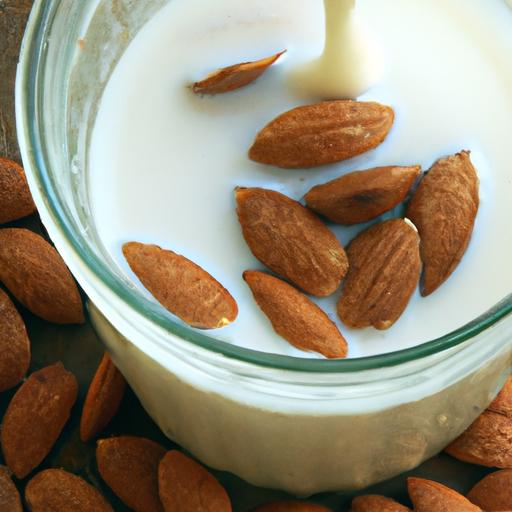

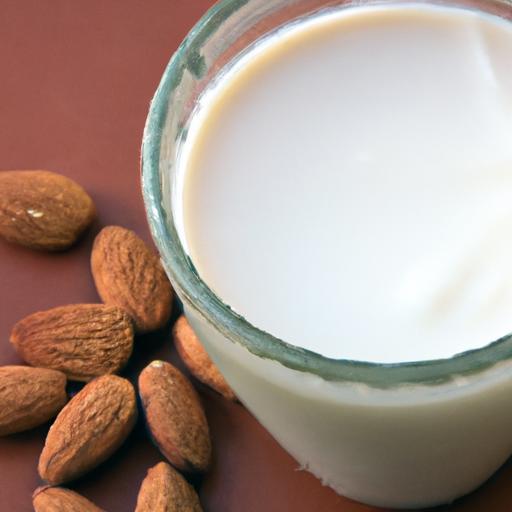
There’s something utterly satisfying about crafting your own almond milk at home-a velvety, creamy elixir that’s as nourishing as it is flavorful. Beyond store-bought cartons packed with additives and preservatives, homemade almond milk offers a fresh, pure taste that transforms your smoothies, coffees, and cereals into something extraordinary. Whether you’re dairy-free,health-conscious,or simply curious about plant-based alternatives,this easy recipe guide will walk you through creating luscious almond nut milk from scratch.Embrace the art of homemade goodness and discover how a handful of humble almonds can become a silky, wholesome beverage tailored just for you.
Choosing the Best Almonds for Rich and Flavorful Nut Milk
Creamy Homemade Almond Nut Milk starts with selecting the perfect almonds, as their quality directly shapes the milk’s flavor and texture. Opt for raw,organic,unpasteurized almonds whenever possible. These retain their natural oils and subtle sweetness, creating the lush, nutty backbone that defines truly indulgent almond milk. Avoid roasted or salted varieties, as they can impart unwanted flavors and diminish the delicate creaminess.
Look for plump, fresh almonds free from blemishes and shriveling. Soaking these overnight softens the nuts, unlocking their creamy potential, while also aiding digestion and enhancing flavor extraction.
Step-by-Step Process to Achieve the Perfect Creamy Texture
- Rinse and soak 1 cup raw almonds in plenty of filtered water for at least 8-12 hours or overnight. This softens them for blending, releasing natural oils that are the hallmark of creamy almond milk.
- Drain and rinse the soaked almonds thoroughly under cool water to remove residual bitterness and improve freshness.
- Transfer almonds to a high-speed blender with 4 cups filtered water. Blend on high for 2-3 minutes until the mixture looks white, frothy, and smooth.
- Strain the almond pulp through a nut milk bag or fine mesh cloth into a glass bowl. Gently squeeze to extract every drop of creamy milk.
- Optional: strain milk again to achieve a silky-smooth texture, especially if you prefer your almond milk ultra-fine and free of sediment.
The result is a gorgeous, ivory-tinted milk with a velvety mouthfeel-perfect for sipping, blending, or cooking.
Enhancing Your Almond Milk with Natural Sweeteners and flavors
Once you’ve mastered the basic creamy almond milk, the possibilities for enrichment are endless. Naturally sweeten your almond milk by adding 1-2 tablespoons of pure maple syrup, agave nectar, or a few pieces of Medjool dates to the blender before processing.
For aromatic depth, blend in a splash of pure vanilla extract, a pinch of sea salt to brighten the nutty flavor, or a dash of ground cinnamon. these subtle additions elevate the nut milk to a gourmet level without overpowering its creamy essence.
Experiment with boosts like a teaspoon of cacao powder for a chocolaty twist or a hint of cardamom for an exotic flair. Each variation brings a uniquely comforting note, perfect for cozy mornings or refreshing afternoons.
Storage Tips to Keep Your Homemade Almond Milk Fresh Longer
Preserve the vibrant freshness of your homemade almond milk by storing it in an airtight glass container, preferably a mason jar, in the refrigerator.Use it within 3 to 5 days for optimal flavor and safety.
Shake well before each use, as natural separation occurs. Avoid contaminating your almond milk by using clean utensils each time. If you notice any sour aroma or change in texture, it is best to discard and make a fresh batch.
For longer storage, consider freezing portions in ice cube trays.Once frozen, transfer cubes to a sealed bag for up to 3 months. Thaw and blend well before using, especially in smoothies or recipes.
Prep and Cook Time
- prep Time: 15 minutes (plus soaking time)
- Cook Time: 5 minutes blending and straining
Yield
- About 4 cups of creamy almond milk
Difficulty Level
- Easy – perfect for beginner and seasoned home cooks alike
Ingredients
- 1 cup raw, organic almonds, soaked overnight
- 4 cups filtered water
- 1-2 tablespoons pure maple syrup or honey (optional for sweetness)
- 1 teaspoon pure vanilla extract (optional)
- Pinch of sea salt (optional)
- Optional flavor add-ins: ground cinnamon, cacao powder, cardamom (to taste)
Instructions
- Soak the almonds in filtered water for 8-12 hours or overnight to soften.
- Rinse and drain almonds well after soaking.
- Place the almonds and 4 cups of filtered water into a high-speed blender.
- Blend on high for 2-3 minutes until creamy and frothy.
- Strain the liquid through a nut milk bag or fine mesh cloth into a bowl, squeezing gently to extract all liquid.
- If desired, add sweeteners and flavorings to the milk and blend briefly to combine fully.
- Transfer your creamy homemade almond nut milk to a clean glass jar and refrigerate.
- Shake well before each use as natural separation will occur.
Tips for Success
- Use filtered water to avoid off-flavors and ensure purity.
- Soaking time is key for both flavor and blendability-don’t rush it.
- Do not discard the almond pulp! Dry it out in a low oven for almond flour or add it to smoothies and baked goods.
- Adjust sweetness and flavor gradually, blending small test batches if experimenting.
- For ultra-creaminess, blend longer and strain twice if needed.
Serving Suggestions
Serve your creamy almond milk chilled in a glass with a sprinkle of cinnamon or nutmeg on top. For breakfast, pair it with warm oatmeal or homemade granola for a nourishing start. Use it as a dairy-free base in coffee, smoothies, or even rich sauces that crave that silky nutty undertone. Garnish with a fresh vanilla bean or a few crushed toasted almonds for extra sensory appeal.

| Nutrient | Per 1 cup (240ml) |
|---|---|
| Calories | 60-80 kcal |
| Protein | 2-3 g |
| Carbohydrates | 1-2 g |
| Fat | 5-7 g |
For more dairy-free drink inspirations, explore our Dairy-Free Beverages recipe collection. To deepen your knowlege about almonds’ nutritional impact, visit the Nutrition Society’s official website.
Q&A
Q&A: creamy Homemade Almond Nut Milk - Easy Recipe Guide
Q1: Why should I make almond nut milk at home instead of buying it?
A: Homemade almond milk is fresher,creamier,and free from preservatives,additives,and hidden sugars often found in store-bought versions. Plus, you can customize the flavor and thickness exactly how you like it!
Q2: What are the basic ingredients I need for creamy almond nut milk?
A: just three essentials: raw almonds, fresh water, and a pinch of salt. From there, you can add natural sweeteners like dates or honey, and flavor boosters such as vanilla or cinnamon if you wish.
Q3: How do I get that perfectly creamy texture without extra thickeners?
A: The magic lies in soaking the almonds overnight or for at least 8-12 hours. This softens them, making blending easier and releasing more oils to create that luscious, creamy mouthfeel naturally.
Q4: Can I make almond milk quickly if I forget to soak the nuts overnight?
A: While soaking is best, a swift soak (1-2 hours in warm water) can work in a pinch-just expect a slightly thinner milk. For ultra-creamy texture, patience really pays off with a longer soak.
Q5: How do I strain the almond pulp for smooth milk?
A: Use a nut milk bag, fine mesh strainer, or even a clean cotton kitchen towel. Squeeze and press gently to extract every drop of creamy goodness, leaving behind dry almond pulp you can repurpose in baking or smoothies.
Q6: how long does homemade almond milk stay fresh?
A: Keep it refrigerated in a sealed container and consume within 3-4 days for optimal freshness and taste. Always give it a sniff and stir before using!
Q7: What can I do with the leftover almond pulp?
A: Don’t toss it! Dry it out to make almond flour, blend it into smoothies, fold it into oatmeal, or use it as a base for energy bars-delicious and waste-free.Q8: Can I use this almond milk in cooking and baking?
A: Absolutely! It’s a versatile dairy alternative perfect for coffee, cereal, soups, sauces, and baked goods. Its subtle nutty flavor adds a delicious twist to your favorite recipes.
Q9: Is homemade almond milk a good option for people with nut allergies?
A: Unfortunately, no. Almond milk is made from nuts and isn’t safe for those with nut allergies. If that’s a concern, consider alternatives like oat, rice, or coconut milk.
Q10: Any pro tips for making the best homemade almond milk?
A: Yes! Use raw, organic almonds for the best taste; fresh, filtered water for purity; and always blend at high speed for 1-2 minutes to maximize creaminess. don’t forget to experiment with natural flavorings to make it your own signature blend!
Future Outlook
Whipping up a batch of creamy homemade almond nut milk is not just a simple kitchen endeavor-it’s a nourishing ritual that connects you to the wholesome goodness of nature’s bounty. With just a handful of almonds, water, and a touch of patience, you’ve crafted a velvety, fresh alternative that elevates your breakfasts, coffees, and smoothies. Beyond the ease and flavor, making your own almond milk empowers you with control over ingredients, ensuring purity and customization tailored to your taste. so next time you reach for that carton on the store shelf,remember: the creamiest,freshest almond milk is just a blend away,waiting to transform your culinary creations with its rich,nutty embrace. Cheers to homemade simplicity and delicious wellness!