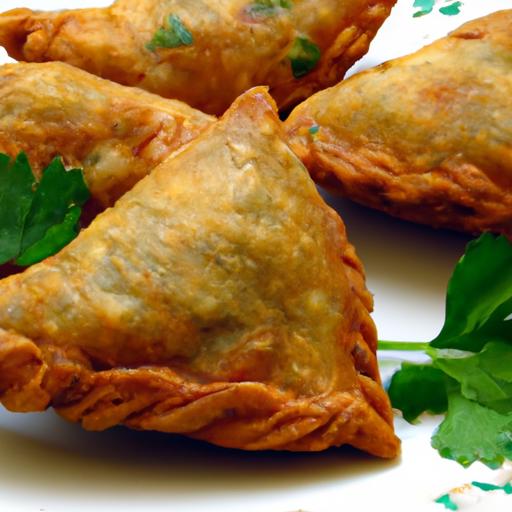

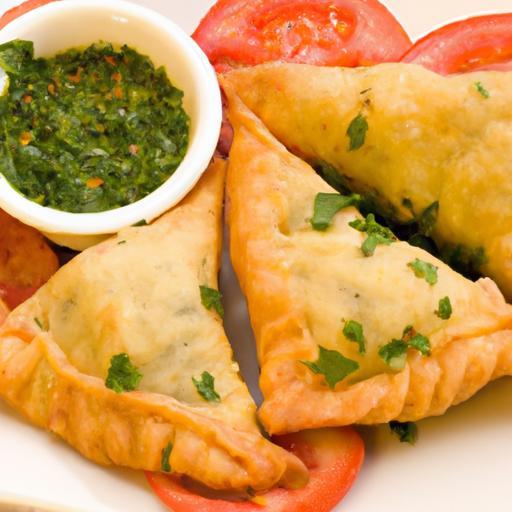
Crunchy on the outside, tender and flavorful on the inside, veggie samosas have long held a cherished spot in the world of savory snacks. Beyond their golden, crispy exterior lies a vibrant mosaic of spices, fresh vegetables, and fragrant herbs, skillfully wrapped in delicate dough. “Crispy Delight: The Art and Flavour of Veggie Samosas” invites you to journey into the heart of this beloved treat-exploring the culinary craftsmanship, cultural roots, and the symphony of tastes that make veggie samosas an irresistible indulgence. Whether enjoyed as street food, a festive appetizer, or a comforting homemade snack, these pockets of perfection exemplify how simple ingredients can be transformed into a masterpiece of texture and flavor. Join us as we unravel the secrets behind the samosa’s crisp embrace and the veggie fillings that bring it to life.
Crispy Delight: The Art and Flavor of Veggie Samosas
Crispy delight-this phrase perfectly captures the magic that unfolds when you bite into a freshly made veggie samosa. Rooted deeply in south Asian culinary traditions,these golden pastries embody a rich story of cultural heritage and communal joy. each crispy layer and spice-infused filling carries echoes of bustling street markets and celebratory family gatherings. Whether you’re savoring them during festive seasons or as an everyday snack, mastering the art and flavor of veggie samosas promises both history and indulgence on your plate.
Prep and Cook Time
- Preparation: 30 minutes
- Cooking: 25 minutes
- Total Time: 55 minutes
Yield
Approximately 16 medium-sized samosas (serves 4-6)
Difficulty Level
Medium
Ingredients
- For the Dough:
- 2 cups all-purpose flour, sifted
- 4 tbsp vegetable oil or melted ghee
- 1/2 tsp salt
- 1/4 cup warm water (adjust as needed)
- For the Filling:
- 2 medium potatoes, boiled and mashed
- 1/2 cup green peas, boiled
- 1 small onion, finely chopped
- 2 green chilies, finely chopped
- 1-inch piece ginger, grated
- 1 tsp cumin seeds
- 1 tsp coriander powder
- 1/2 tsp garam masala
- 1/2 tsp turmeric powder
- 1/2 tsp red chili powder (adjust to taste)
- 2 tbsp fresh cilantro, chopped
- Salt, to taste
- 2 tbsp oil (for sautéing)
- For Frying:
- Vegetable oil (enough for deep frying)
Instructions
- Prepare the Dough: In a large bowl, combine all-purpose flour and salt.Add vegetable oil or melted ghee and rub it into the flour with your fingertips until it resembles coarse crumbs. Slowly add warm water little by little, kneading into a smooth, firm dough. Cover with a damp cloth and set aside for 20 minutes to rest.
- Make the Filling: Heat 2 tablespoons of oil in a pan over medium heat. Add cumin seeds and let them crackle. Stir in finely chopped onions and sauté until golden brown, about 5 minutes. Add ginger and green chilies, sauté for another minute.
- Add turmeric, coriander powder, red chili powder, and salt. Mix well, then fold in the mashed potatoes and boiled peas.Cook stirring gently for 4 minutes to blend the spices. Sprinkle garam masala and fresh cilantro, remove from heat, and let the filling cool.
- Shape the Samosas: Divide the dough into 16 equal portions.Roll each into a thin oval or circle about 6 inches in diameter. Cut each circle in half to form two semi-circles.
- Take one semi-circle and fold the straight edge to make a cone, sealing the edge with a little water.Fill the cone with 2 tablespoons of the prepared filling, ensuring not to overstuff.
- Seal the open curved edge carefully by pinching and folding, using water to secure the seam completely. Shape into a tidy triangle or leaf form.
- Frying the Samosas: Heat oil in a heavy-bottomed pan over medium heat (about 350°F/175°C).Test by dropping a small dough piece; it should bubble and rise steadily.
- Carefully slide in 3-4 samosas at a time, frying them gently and turning occasionally for even browning. Fry until golden and crisp, about 6-8 minutes.
- Remove with a slotted spoon and drain on paper towels. serve warm.
- Alternative Baking Method: For a lighter option, preheat the oven to 400°F (200°C). Brush samosas lightly with oil and bake on a parchment-lined tray for 25 minutes or until golden, turning halfway through.
Chef’s Notes & Tips for Success
- Keep the dough firm but pliable; a soft dough will crack during rolling and deep frying.
- Resting the dough ensures better elasticity for shaping perfect samosas.
- For a vegan dough alternative,use oil rather of ghee.
- Fillings can be customized-try adding sautéed mushrooms, paneer cubes, or lentils for different textures.
- If frying in batches, maintain consistent oil temperature to avoid greasy samosas.
- Make samosas ahead and freeze uncooked. Fry or bake directly from frozen for fresh crispy delight anytime.
- Drain excess oil by placing samosas on a wire rack after frying instead of paper towels to avoid sogginess.
Serving Suggestions
Present these golden pockets alongside tangy mint chutney and sweet tamarind sauce for a balanced flavor explosion. Garnish with fresh cilantro leaves and a sprinkling of chaat masala to amp up the street-food vibe. Pair with a hot cup of masala chai or a refreshing mango lassi to complete an authentic experience. For a festive touch, scatter pomegranate arils or finely chopped red onions on the side.

Nutrition Data
| per Serving (3 samosas) | Calories | Protein (g) | Carbohydrates (g) | Fat (g) |
|---|---|---|---|---|
| Veggie Samosas | 300 | 5 | 40 | 12 |
For more delicious vegetarian Indian snacks, check out our Classic Paneer Tikka Recipe. to expand your knowledge on the cultural roots of samosas, visit Britannica’s samosa overview.
Q&A
Q&A: Crispy Delight – The Art and Flavor of Veggie Samosas
Q1: What exactly makes a samosa a samosa?
A1: At its heart, a samosa is a triangular pocket of joy-a thin, crispy pastry filled with a savory mixture. What sets it apart is the perfect union between the golden, crunchy shell and the spiced, hearty filling inside. The samosa’s shape, the flaky layers, and that enticing aroma tell you you’re about to experience a bite of tradition and flavor all at once.
Q2: Why are veggie samosas so popular worldwide?
A2: Veggie samosas delight with their universal appeal-combining wholesome vegetables and warming spices inside an irresistible crispy crust. They’re vegetarian, frequently enough vegan-pleasant, and free from heavy meats, making them accessible to many. Plus, their versatility means each culture and cook brings their own twist, crafting a bite that’s both comfort food and culinary adventure.
Q3: What vegetables commonly go into a classic veggie samosa filling?
A3: The classic veggie samosa filling is a vibrant mosaic of potatoes, peas, carrots, and sometiems cauliflower. These humble ingredients are transformed through sautéing with fragrant spices like cumin, coriander, turmeric, and a gentle hint of chili. The mixture bursts with texture and warmth, balancing creamy potatoes with the gentle snap of peas.
Q4: How do you achieve that perfect crispy texture in samosas?
A4: The secret lies in the dough and the cooking technique. A samosa dough made with all-purpose flour, a bit of oil or ghee, and water creates a supple but sturdy wrapper. Rolling it thin enough allows for a flaky crunch without being too fragile. Deep-frying at the right temperature-around 350°F (175°C)-locks in crispiness, giving you that golden-brown finish while keeping the insides piping hot.
Q5: Can you make veggie samosas healthier without sacrificing flavor?
A5: Absolutely! Baking samosas instead of frying cuts down the fat content but still yields a lovely crispy crust if brushed lightly with oil.Using whole wheat flour or adding chickpea flour boosts nutritional value.Filling the samosas with fiber-rich veggies and limiting oil in the stuffing keeps them wholesome while maintaining their signature taste.
Q6: what are some creative twists on traditional veggie samosas?
A6: Beyond the classic, the canvas for samosa fillings is vast: think spiced lentils, roasted sweet potatoes with fennel, or tangy paneer and spinach. for a global spin, experiment with Mediterranean herbs or Mexican spices. Even the pastry can vary-using filo dough for a layered crunch or puff pastry for buttery flakiness. The art lies in balancing flavors and textures, turning this snack into a delightful fusion.
Q7: How are samosas best served and enjoyed?
A7: Samosas shine as appetizers, snacks, or even a light meal. They pair beautifully with cooling chutneys-mint,tamarind,or yogurt-based raita-to counterbalance their warm spices. Whether plated at a festive gathering or wrapped up for a picnicking adventure, samosas invite sharing and savoring bite after crispy, flavorful bite.
Q8: Why is making veggie samosas considered an art?
A8: Crafting the perfect samosa involves precision, patience, and passion-rolling the delicate dough just right, folding it into perfect triangles, and frying to golden perfection. Each step demands skill to ensure the dough cradles the filling without cracking and that every bite delivers a harmonious crunch and spiced burst. It’s a dance between technique and creativity, heritage and innovation.
Dive into the world of veggie samosas and discover how this humble snack transforms simple ingredients into a crispy delight that tells stories of culture, craftsmanship, and flavor.
To Wrap It Up
As the golden crust crunches and the fragrant spices dance on your palate, veggie samosas reveal themselves as more than just a snack-they are a celebration of culinary artistry and cultural heritage. From the careful selection of fresh vegetables to the precise folding technique that seals in every burst of flavor, each samosa tells a story of tradition meeting innovation. Whether enjoyed as a humble street food or a complex appetizer, the crispy delight of veggie samosas continues to captivate hearts and taste buds around the world. So next time you savor that first bite, remember: you’re experiencing a bite-sized masterpiece where art and flavor unite in perfect harmony.