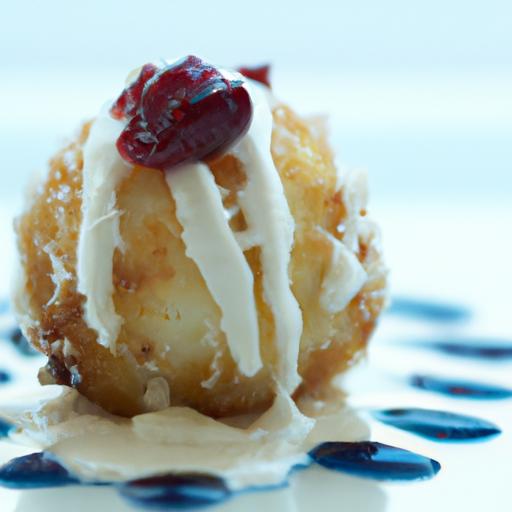

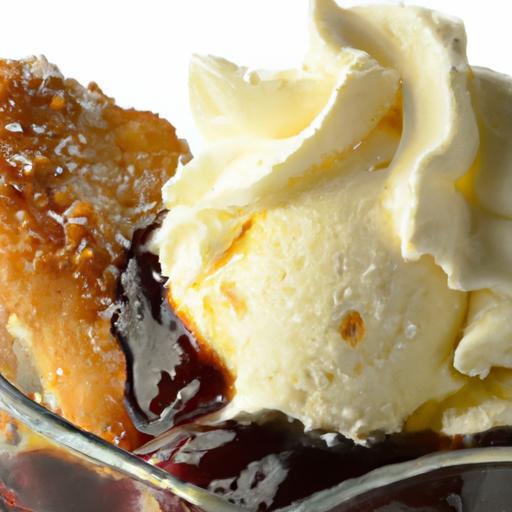
Imagine a dessert that defies expectations-a chilling scoop of ice cream wrapped in a golden, crackling shell that shatters with every bite.Fried ice cream is more than just a whimsical treat; it’s a culinary marvel that blends hot and cold, crisp and creamy in perfect harmony.But how does this paradoxical delight come to life, and where did it originate? In this article, we’ll dive deep into the irresistible world of fried ice cream, exploring the science behind its crispy coating and creamy core, and also tracing the fascinating history that gave rise to this iconic dessert. Prepare to uncover the secrets behind every crunchy,luscious mouthful of this crispy delight.
Crispy Delight begins its irresistible journey with the iconic fusion of temperatures and textures-cold,creamy ice cream encased in a fleetingly crisp golden shell. This captivating dessert traces a fascinating cultural journey, believed to have roots in Asian and Mexican cuisine, evolving into a beloved treat worldwide.Legend credits the invention to inventive chefs who dared to fry frozen ice cream, crafting a sensory paradox that tantalizes taste buds and delights the eye.
Prep and Cook Time
- Preparation: 20 minutes
- Freezing Time: 2-3 hours (or overnight)
- Frying Time: 2-3 minutes per batch
Yield
4 servings
Difficulty Level
Medium
Ingredients
- 4 scoops vanilla ice cream, well frozen
- 1 cup panko breadcrumbs
- 1 cup cornflakes, crushed
- 1 tsp ground cinnamon
- 2 large eggs
- 1 cup all-purpose flour, sifted
- 1 cup whole milk
- Vegetable oil, for deep frying
- Honey or chocolate sauce, for drizzling
- Fresh mint leaves, for garnish
- Optional: crushed nuts or shredded coconut for added crunch
Instructions
- Freeze the Ice Cream: Using an ice cream scoop, form firm spheres and place them on a parchment-lined tray. Freeze for at least 2 hours to ensure they are fully solid and handleable.
- Prepare the Coating Station: In three separate bowls, place flour in the first, whisk together milk and eggs in the second, and combine panko, crushed cornflakes, and cinnamon in the third bowl.
- Coat the Ice cream: Working quickly to prevent melting, roll each frozen ice cream ball in flour, then dip into the milk-egg wash, and finally press into the breadcrumb mixture.For an extra thick crust, repeat the dipping and coating process once more. Return coated spheres to the freezer to firm up for 30 minutes.
- Heat the Oil: In a deep fryer or heavy-bottomed pot, heat vegetable oil to 375°F (190°C). use a thermometer for accuracy to achieve the perfect fry-hot enough for crispness,but not so hot as to melt the ice cream instantly.
- Fry the Ice Cream: Fry each piece for 2 to 3 seconds-just until golden and crisp. Use a slotted spoon to gently lower the ice cream into the oil and remove quickly to avoid melting.
- Drain and Serve: Place fried ice cream balls on a paper towel-lined plate to absorb excess oil. Instantly drizzle with honey or chocolate sauce and garnish with fresh mint and any preferred nuts or coconut.
Tips for Success
- Freeze aggressively: Ensuring the ice cream is rock-solid prevents premature melting and helps maintain crispness.
- Double coating: Creates a thicker,crunchier shell that beautifully contrasts the creamy interior.
- Maintain oil temperature: Use a deep-fry thermometer to keep the oil steady at 375°F for consistent results.
- Work swiftly: Minimize exposure to room temperature during coating and frying.
- Substitutions: Use gluten-free flour and cereals to adapt for dietary needs without sacrificing texture.
- Make-ahead tip: Ice cream balls can be coated and frozen ahead for up to a week for spontaneous crispy delight moments.
Serving Suggestions
for an elevated presentation, serve your fried ice cream on a chilled dessert plate to slow melting. Accompany with berry compote or a light citrus coulis to cut through richness. Sprinkle edible flowers or crushed pistachios atop for a gourmet flair. This treat pairs wonderfully with a shot of espresso or a chilled dessert wine to heighten the multi-sensory experience.
| Nutrient | Per Serving |
|---|---|
| Calories | 380 kcal |
| Protein | 5 g |
| Carbohydrates | 45 g |
| Fat | 20 g |
Discover more about the science of texture and temperature contrast to expand your knowledge on culinary sensations, or learn how expert chefs transform customary recipes at Serious Eats.

Q&A
Q&A: Crispy Delight – The Science and Story Behind Fried Ice Cream
Q1: what exactly is fried ice cream?
A: Fried ice cream is a delightful dessert that combines the cold, creamy texture of ice cream with a warm, crispy exterior. It’s essentially a scoop of ice cream, coated in a crunchy batter or crumb layer, quickly deep-fried to create a contrast of temperatures and textures that dance on your palate.
Q2: How does ice cream survive being deep-fried without melting into a puddle?
A: The secret lies in the preparation! The ice cream is first frozen solid-often at extremely low temperatures-then encased in a thick,insulating layer such as crushed cornflakes,tempura batter,or cookie crumbs. This coating acts like a heat shield during the rapid deep-fry, which usually lasts just a few seconds. The ice cream stays cold inside while the outer layer crisps up golden and delicious.
Q3: Where did fried ice cream originate?
A: The origin story of fried ice cream is a little mysterious, with several cultures claiming its invention. Some say it emerged in Asian cuisine, while others attribute it to Mexican or American Chinese chefs experimenting in the 20th century. Regardless, it’s become a beloved treat worldwide, especially popular as a show-stopping dessert in restaurants.
Q4: What scientific principles are at play in frying ice cream?
A: Two main scientific concepts make fried ice cream possible: thermal conductivity and the Maillard reaction. The batter or crumb coating’s low thermal conductivity slows heat transfer,protecting the ice cream inside. Concurrently, high heat triggers the Maillard reaction on the coating’s surface, creating that irresistible golden-brown crunch and complex, toasty flavors.Q5: Are there variations of fried ice cream around the world?
A: Absolutely! In Japan, a tempura-style battered ice cream is popular. Mexican versions frequently enough use cinnamon-spiced coatings like crushed cornflakes or cookie crumbs. In some American Chinese restaurants, it’s served with a drizzle of honey or chocolate. Each variation brings its own cultural twist, showcasing how a simple concept can inspire global creativity.Q6: Can I make fried ice cream at home?
A: Yes, but it requires careful timing and preparation.the ice cream needs to be frozen very hard, and the coating thick enough to insulate it. You’ll also want your frying oil very hot so that the coating crisps in seconds without melting the ice cream inside. With practice, you can bring this crispy delight right into your kitchen!
Q7: Why do we love the combination of hot and cold in desserts like fried ice cream?
A: The thrill of contrasting sensations stimulates our senses and adds an element of surprise. the warm, crunchy exterior against the smooth, icy interior creates a dynamic experience that’s exciting and satisfying to eat. It’s a delicious play on temperature, texture, and flavor that keeps us coming back for more.
Crispy on the outside, icy on the inside-fried ice cream is not just a dessert, it’s a masterpiece of culinary science and cultural storytelling, wrapped in a golden crust of pure joy!
Final Thoughts
From the sizzle of hot oil to the chilly surprise within, fried ice cream is more than just a dessert – it’s a masterful dance of science and tradition. Behind its crispy golden shell lies a story steeped in culture, innovation, and the joy of texture play. So next time you bite into that warm, crunchy exterior giving way to velvety cold ice cream, remember: you’re tasting the perfect harmony of chemistry and creativity, a crispy delight that continues to captivate palates and imaginations around the world.