
There’s something profoundly soothing about a bowl of steaming porridge gently bubbling over a slow flame – a dish that transcends mere sustenance to become a culinary embrace. In the vast tapestry of Chinese cuisine, porridge, or “congee,” holds a special place as a time-honored comfort food, cherished across generations and regions. From humble street stalls to elegant family tables, this simple yet versatile dish carries layers of history, culture, and flavor.Join us as we delve into the rich world of Chinese porridge, exploring its origins, variations, and the reasons why it continues to warm hearts and nourish bodies in kitchens around the world.
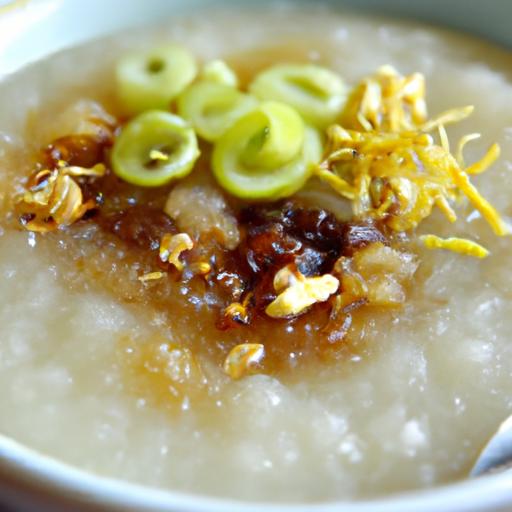
Chinese porridge, known as congee, has long been a beloved comfort food deeply rooted in centuries of tradition. This gentle, soothing dish transcends mere sustenance, embodying warmth, nostalgia, and cultural heritage. Originating from humble rice and water, it has been adapted regionally across China, reflecting diverse climates, tastes, and lifestyles. Growing up with congee frequently enough served at dawn or during moments of recovery, I cherish it not only as a meal but as a calming ritual that nurtures the body and soul.
Prep and Cook Time
- Planning: 5 minutes
- cooking: 1 hour (can vary depending on rice type and stove)
- Total time: 1 hour 5 minutes
Yield
4 hearty servings
Difficulty Level
Easy
Ingredients
- 1 cup jasmine rice, rinsed thoroughly
- 8 cups water or low-sodium chicken broth for extra flavor
- 1 tsp salt, adjust to taste
- 3 slices fresh ginger
- 1 boneless chicken breast (optional for protein)
- 2 spring onions, thinly sliced for garnish
- 1 tbsp sesame oil for drizzling
- White pepper, freshly ground, to taste
- Pickled vegetables or century egg (optional traditional toppings)
Instructions
- Rinse the rice several times under cold water until the water runs clear to remove excess starch. This prevents the porridge from becoming overly gluey.
- In a large pot,combine rice and water or broth. Add ginger slices and bring to a boil over high heat.
- Once boiling, reduce heat to a gentle simmer. Stir occasionally to keep the rice from settling and sticking to the bottom.
- Simmer uncovered for 50 to 60 minutes until the rice grains break down and the porridge becomes creamy and smooth. add more water if a thinner consistency is preferred.
- If using chicken breast, add it to the pot about 20 minutes before the porridge is done. Poach until cooked through, then shred the meat and return to the pot for extra protein and flavor.
- Season the porridge generously with salt and white pepper. Remove ginger slices before serving.
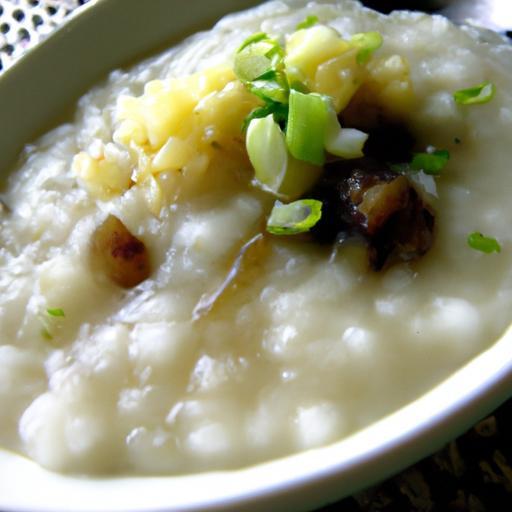
- Ladle the hot porridge into bowls. Drizzle with sesame oil and garnish with chopped spring onions.Offer traditional toppings such as pickled vegetables or century egg on the side for an authentic experience.
Tips for success
- Rice variety matters: Jasmine or long-grain rice yields a fragrant, light congee; short-grain rice offers a creamier texture.
- Control the thickness: Add hot water gradually during cooking if it becomes too thick, stirring gently.
- Use broth instead of water for richer, layered flavor profiles.
- Make in advance: Congee thickens as it cools; add a bit of boiling water when reheating.
- Get creative: Incorporate mushrooms,seafood,minced pork,or tofu to tailor the dish to your preference.
Serving Suggestions
For a truly authentic and comforting bowl, serve your Chinese porridge piping hot with a variety of toppings arranged artfully.Thinly sliced preserved vegetables, a spoonful of soy sauce, grated ginger, and a drizzle of chili oil add contrasting flavors and textures. Pair with crispy fried dough sticks (youtiao) to scoop alongside your porridge, enhancing the sensory experience. This dish shines as a nourishing breakfast or a gentle meal when you crave warmth and simplicity.
| Nutrient | Per Serving |
|---|---|
| Calories | 180 kcal |
| Protein | 10 g |
| Carbohydrates | 30 g |
| Fat | 3 g |

To explore more about the cultural richness behind this dish, check out our guide to traditional Chinese breakfasts. For a deeper understanding of the health benefits of rice-based dishes, visit Healthline’s extensive overview.
Q&A
Q&A: Delving into Chinese Porridge – A Comforting Culinary Classic
Q1: What exactly is Chinese porridge,and how does it differ from Western-style porridge?
A: Chinese porridge,often known as congee or zhou (粥),is a savory rice-based dish typically slow-cooked until the grains break down into a creamy,soupy texture. Unlike many Western porridges that use oats or other cereals with a sweet flavor profile, Chinese porridge emphasizes simplicity and versatility, frequently served with savory accompaniments like pickles, century eggs, or shredded meats. It’s more than just food-it’s a soothing ritual.
Q2: What makes Chinese porridge such a comforting dish in Chinese culture?
A: Beyond its smooth texture and warm temperature, Chinese porridge is deeply rooted in tradition as a restorative and healing meal. It’s often given to the ill, elderly, or newborns because it’s easy to digest and gentle on the stomach. Its comfort lies in its ability to nurture the body and soul, offering not just nourishment but emotional reassurance-a culinary hug passed down through generations.
Q3: Are there regional variations of Chinese porridge?
A: Absolutely! from the Cantonese style with seafood and ginger, to the northern versions thickened with millet or millet and rice, each region brings its own twist. In Sichuan, you might find spicy porridge variants, while in Guangdong, it’s common to see luxurious toppings such as century eggs and preserved meats. The beauty of Chinese porridge is that it adapts seamlessly to local tastes and ingredient availability.
Q4: How is Chinese porridge traditionally prepared?
A: The classic method is charmingly simple: rice is rinsed and simmered in abundant water or broth for an extended period, often an hour or more, until the grains disintegrate into a smooth, velvety soup. Patience is key, allowing the starches to mellow into a creamy consistency. Modern cooks may use rice cookers or pressure cookers to expedite the process, but the essence remains the same-a simmered embrace.
Q5: What are some popular toppings or side dishes that complement Chinese porridge?
A: The toppings can be as modest or as elaborate as one pleases. Century eggs with pickled ginger offer a pungent, contrasting flavor; salted duck eggs provide a briny richness; shredded chicken or pork add protein depth; preserved vegetables lend an umami kick. On the side, you might find fried dough sticks (youtiao) for dipping, or steamed buns for sopping up every last drop.Q6: Can Chinese porridge be enjoyed as more than just a breakfast or sick-day meal?
A: Absolutely! While it’s often associated with breakfast or convalescence, Chinese porridge’s flexibility allows it to shine as a wholesome dinner or even a light lunch. Its adaptability means it can be dressed up with luxurious ingredients or stripped back to the bare essentials for a minimalist meal. It’s a dish that welcomes everyone, anytime.
Q7: How does Chinese porridge reflect broader themes in Chinese culinary philosophy?
A: At its heart, Chinese porridge embodies harmony, balance, and mindfulness-key pillars in Chinese cooking and culture. It balances texture and flavor with gentle nutrition, reflects the philosophy of food as medicine, and honors the cyclical rhythms of life and health. Each bowl is a microcosm of respect for nature, family, and tradition simmered into a humble yet profound dish.
Q8: Where can someone outside China experience authentic Chinese porridge today?
A: Authentic Chinese porridge can be found in traditional Chinese restaurants worldwide, especially those specializing in Cantonese or southern chinese cuisines. Many markets now carry ready-to-eat versions or ingredient kits, while adventurous home cooks can create their own with simple staples. Food festivals and cultural events often showcase regional porridge styles, inviting curious palates into this steaming world of comfort.
Whether savored on a chilly morning or served as a gentle remedy, Chinese porridge remains a timeless culinary classic-a testament to the power of simplicity and care in food.
The Conclusion
As the steam rises gently from a warm bowl of Chinese porridge, so too does an gratitude for its timeless charm and comforting simplicity. This humble dish, steeped in centuries of tradition, invites us not only to savor its smooth, nourishing textures but also to connect with a rich cultural heritage that celebrates warmth, care, and community. Whether enjoyed plain or adorned with an array of savory or sweet toppings, Chinese porridge remains a versatile culinary classic-proof that sometimes, the greatest comfort lies in the simplest pleasures. So next time you seek a meal that soothes the soul and warms the heart, remember the quiet magic bubbling within a bowl of this beloved staple.