
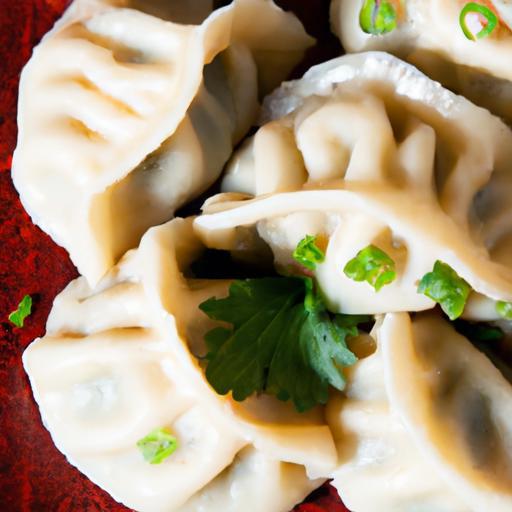
From the bustling street markets of Taiwan to the cozy kitchens of eastern europe, dumplings have long been a beloved culinary treasure, wrapped in history and bursting with flavor. These little parcels of dough, filled with everything from savory meats to sweet delights, tell stories of culture, tradition, and innovation. In “Diving Into Dumplings: A Appetizing Journey Around the World,” we embark on a global exploration of this versatile dish, uncovering the unique twists and timeless techniques that make dumplings a universal comfort food. Join us as we peel back the layers of regional recipes, cooking methods, and cultural significance-one bite at a time.
flavor Profiles and Ingredients That Define Iconic Dumplings
Diving Into Dumplings uncovers a world where tradition and taste intertwine in the most delicious way. whether it’s the delicate, translucent wrappers of Chinese jiaozi encasing savory pork and napa cabbage, or the pillowy, butter-infused pockets of Eastern European pierogi brimming with creamy potatoes and cheese, the ingredients tell stories of culture and climate.
Asian dumplings often highlight umami-rich fillings like soy sauce, ginger, and garlic balanced by fresh green onions and sesame oil. In contrast, south American empanadas marry smoky spices with heartier meats and sometimes sweet notes like raisins or corn. Each continent’s signature dumpling demonstrates a unique layering of flavors – sweet, salty, spicy, and sour – that harmonize beautifully beneath their tender skins.
- Asian Dumplings: Ground pork, napa cabbage, ginger, garlic, soy sauce, sesame oil, scallions
- European Dumplings: Potatoes, cheddar cheese, onions, sauerkraut, sour cream
- Latin American Dumplings: Ground beef or chicken, cumin, paprika, onions, olives, raisins
- African Dumplings: Millet or cassava flour, spicy tomato-based fillings, chilies, herbs
Techniques and Tips for Perfect Dumpling Making at Home
Mastering the art of dumpling making is an adventure that rewards patience and care. Start by making your own dough to achieve that supple, tender texture that store-bought wrappers can’t match. Kneading well and resting the dough is key-it allows gluten to relax and results in silky wrappers that pleat beautifully.
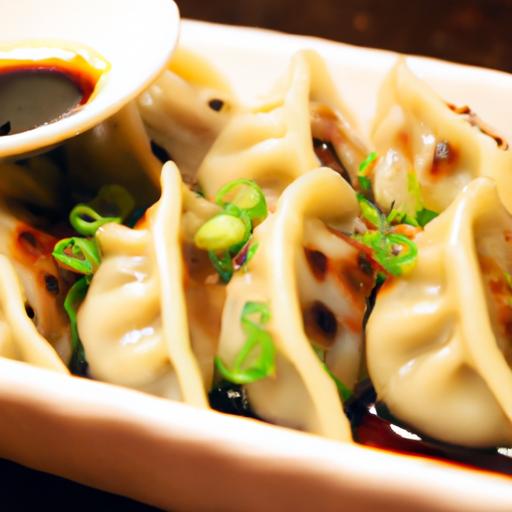
When assembling, ensure your fillings are well-seasoned and slightly chilled; this prevents the dough from becoming soggy. Pinch edges firmly to seal, using a dab of water as glue. Steam, boil, pan-fry, or deep-fry your dumplings depending on the style you’re recreating. for potstickers, pan-frying then steaming yields irresistibly crispy bottoms with delicate, steamed tops.
Prep and Cook Time
- Readiness: 45 minutes
- Cooking: 15 minutes
- Total Time: 1 hour
Yield
Makes approximately 30 dumplings (serves 4)
Difficulty Level
Medium – Suitable for adventurous home cooks with basic dough handling experience
Ingredients
- 2 cups all-purpose flour, sifted
- ¾ cup warm water
- 1 tablespoon vegetable oil
- 300g ground pork (or substitute ground chicken or tofu for vegetarian)
- 1 cup finely shredded napa cabbage
- 3 green onions, finely chopped
- 1 tablespoon grated fresh ginger
- 2 cloves garlic, minced
- 2 tablespoons soy sauce
- 1 teaspoon toasted sesame oil
- 1 teaspoon sugar
- Salt and black pepper to taste
- Water for sealing edges
Instructions
- Make the dough: In a large bowl, combine the all-purpose flour with warm water and vegetable oil. Stir until a shaggy dough forms.
- Knead: Transfer dough to a lightly floured surface. Knead for 8-10 minutes until smooth and elastic. Cover with damp towel; let rest 30 minutes to relax gluten.
- Prepare filling: In a bowl, combine ground pork, shredded napa cabbage, green onions, ginger, garlic, soy sauce, sesame oil, and sugar. Season with salt and pepper.Mix thoroughly until well incorporated.
- Shape wrappers: Divide rested dough into small equal portions (about 30). Roll each portion into a thin, 3-inch circle on a lightly floured surface.
- Fill dumplings: Place 1 tablespoon of filling in the center of each wrapper. Dip finger in water and moisten edges.Fold dough over filling to form a half-moon. Pleat edges tightly to seal.
- Cook: For potstickers, heat 1 tablespoon oil in a non-stick pan over medium heat. Arrange dumplings in single layer; fry until bottoms are golden (about 3 minutes). Pour 1/4 cup water; cover and steam until water evaporates and dumplings are cooked through (about 7 minutes). Remove lid and let crisp bottoms again if desired.
- Serve: Transfer to platter and serve hot with dipping sauce.
Tips for Success
- For extra tender dough, cover wrapped dumplings with a damp cloth to prevent drying while assembling.
- If dough tears easily,knead longer or add a teaspoon of warm water during dough making.
- Substitute napa cabbage with finely chopped bok choy or spinach for seasonal variations.
- Freeze uncooked dumplings on a baking sheet, then transfer to freezer bags for up to 2 months. Cook straight from frozen-add a few extra minutes to steaming time.
- If pan-frying, avoid overcrowding the pan to get perfect crispness without steaming.
Serving Suggestions
Present these golden pan-fried dumplings nestled on a bed of crisp baby spinach or lightly dressed arugula to add freshness. Offer a vibrant dipping sauce made of soy sauce, rice vinegar, a touch of chili oil, and minced garlic on the side. garnish with toasted sesame seeds and finely sliced scallions for an extra pop of flavor and texture.
This dish pairs excellently with a fragrant jasmine tea or a chilled glass of dry Riesling, highlighting the balance of earthy and umami notes.
| nutrient | Per Serving (7-8 dumplings) |
|---|---|
| Calories | 280 kcal |
| Protein | 18 g |
| Carbohydrates | 28 g |
| Fat | 9 g |

Explore more global comfort food recipes like our Ultimate Pasta Guide to continue your culinary journey. For an in-depth history of dumplings and their worldwide impact, visit Encyclopaedia Britannica.
Q&A
Q&A: Diving Into Dumplings - A Delicious Journey Around the World
Q1: What exactly is a dumpling?
A dumpling is a delightful culinary creation found in many cultures-a small parcel of dough, frequently enough wrapped around a savory or sweet filling, then boiled, steamed, fried, or baked. Whether doughy pockets, delicate folds, or playful shapes, dumplings are comfort food with infinite variety.
Q2: Why are dumplings so universally beloved?
Dumplings are like edible passports. Thay tap into a universal craving for handheld, bite-sized comfort, making them accessible to all. their endless adaptability allows cultures to infuse local ingredients and flavors, turning a simple dough wrapper into a canvas of history and tradition.
Q3: What are some iconic dumplings from around the world?
- China: Jiaozi – crescent-shaped parcels filled with pork, cabbage, or shrimp, traditionally enjoyed during Lunar New Year for good luck.
- Poland: Pierogi – tender dough pockets stuffed with potatoes, cheese, or fruits, blending sweet and savory.
- Japan: Gyoza – crispy on the bottom and steamed on top, packed with garlic and pork.
- India: Samosa – triangular, deep-fried dumplings bursting with spiced potatoes, peas, and sometimes meat.
- Tibet: Momos – steamed or fried, filled with yak meat or vegetables, frequently enough paired with fiery chutneys.
Q4: How do dumpling-making techniques differ worldwide?
From painstaking hand-folded pleats to effortless pockets, dumpling techniques echo cultural artistry. Asian dumplings frequently enough feature thin, translucent skins folded into intricate shapes; Eastern European dumplings might be heartier with thicker dough; while indian samosas employ flaky pastry encasing bold spices.
Q5: Can dumplings be sweet?
Absolutely! Not all dumplings are savory.Many traditions include desserts: Chinese tangyuan are glutinous rice balls with sweet fillings; Polish pierogi can be filled with berries or sweet cheese; and Italian ravioli sometimes feature ricotta and honey.
Q6: What makes dumplings such a communal food?
Dumpling-making is often a shared ritual-a collective gathering around a kitchen table,rolling dough,filling parcels,exchanging stories. It’s a culinary bonding experience that weaves family and community together, one delicious fold at a time.
Q7: How can someone start exploring dumplings at home?
Begin simple: try making classic jiaozi or pierogi from scratch with readily available ingredients. Experiment with fillings-mix your favorite veggies, meats, or cheeses. Use online tutorials to master folding techniques,and invite friends for a “dumpling-making party” to share the fun and flavors!
Q8: Why is diving into dumplings more than just a meal?
As each dumpling bites into history,culture,and human connection. They invite us on a journey across continents and centuries-one mouthwatering bite at a time. Exploring dumplings means savoring stories, traditions, and shared humanity, all wrapped in tasty dough.
Key Takeaways
As our culinary voyage through the world of dumplings comes to a close,one thing is clear: these humble pockets of dough hold far more than just savory or sweet fillings-they carry stories,traditions,and the shared joy of gathering around a steaming plate. from the bustling markets of Asia to cozy European kitchens, dumplings unite cultures through flavor and craftsmanship. So next time you savor a bite of your favorite dumpling, remember you’re tasting a delicious thread woven into the rich tapestry of global cuisine. Keep exploring,keep tasting,and let every dumpling tell you a new story.