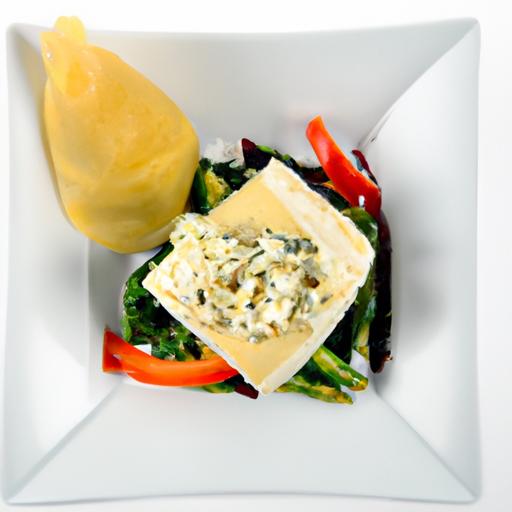

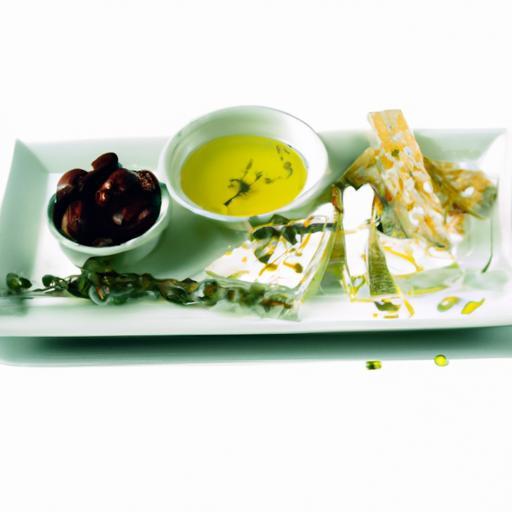
nestled in the sun-soaked hillsides of Greece, where ancient traditions intertwine with vibrant flavors, lies a culinary treasure that has captivated palates for centuries: feta cheese.More then just a staple on Mediterranean tables, feta is a story written in tangy, crumbly whispers-a testament to Greek heritage and the art of time-honored cheesemaking. In this journey through “Feta unveiled: The Tangy Tale of Greece’s Iconic Cheese,” we delve into the origins, craftsmanship, and cultural meaning behind this beloved cheese, discovering why its distinctive bite continues to inspire chefs and food lovers around the world. prepare to uncover the secrets that make feta not only a cheese but a flavorful emblem of Greece itself.
Feta Unveiled opens a rich gateway into Greece’s most treasured cheese, beloved not just for its tangy and salty charm but for its deep-rooted cultural significance. This crumbly, creamy delight traces back thousands of years, encapsulating the spirit and traditions of the Mediterranean. As you dive into the world of feta, prepare to discover its authentic textures, vibrant flavors, and the regional nuances that make each bite a story of heritage and craftsmanship.
Prep and Cook Time
- Planning: 10 minutes
- Cooking: 5 minutes (if incorporating feta in warm dishes)
- Total Time: 15 minutes
Yield
Serves 4 people as part of a mezze platter or fresh Greek salad.
Difficulty Level
Easy – perfect for home cooks and beginners eager to experiment with authentic Greek ingredients.
Ingredients
- 200g authentic Greek feta cheese, preferably from sheep’s milk or a blend of sheep and goat’s milk
- 2 large ripe tomatoes, sliced
- 1 cucumber, peeled and diced
- 1 small red onion, thinly sliced
- 1/4 cup Kalamata olives, pitted
- 2 tbsp extra virgin olive oil
- 1 tbsp fresh oregano, chopped (or 1 tsp dried oregano)
- freshly ground black pepper, to taste
- Sea salt, if needed (use sparingly due to feta’s saltiness)
- 1 tbsp red wine vinegar (optional, for brightness)
Instructions
- Prepare the vegetables: Gently wash and dry the tomatoes, cucumber, and red onion.Slice the tomatoes and thinly slice the red onion. Peel and dice the cucumber for crisp texture contrast.
- Assemble the base: In a large serving bowl or on a rustic platter, layer the tomatoes, cucumber, olives, and red onion. the mix of vibrant colors reflects Greek freshness and celebrates the Mediterranean summer.
- add the feta: Crumble the feta cheese evenly over the top, allowing its creamy, tangy chunks to sprinkle naturally.The feta’s bathing saltiness complements the freshness of the vegetables perfectly.
- Season and dress: Drizzle the extra virgin olive oil liberally across the dish to infuse a rich, fruity undertone. For added zing, splash the red wine vinegar (optional). Scatter chopped oregano, and finish with freshly ground black pepper. Taste before adding any sea salt, as feta already contributes plenty.
- Serving prep: let the salad rest for 5 minutes to allow flavors to mingle. Serve at room temperature for the best sensory experience, where textures and tastes unfold vibrantly on the palate.
Chef’s Notes: Tips for Success
- Choose wisely: Opt exclusively for PDO (Protected Designation of Origin) Greek feta to ensure authenticity and quality-avoid generic “feta-style” cheeses.
- Texture awareness: Excellent feta is slightly grainy yet creamy,crumbly but never dry; avoid overly rubbery or greasy varieties.
- Storage advice: Keep feta in its brine or water-packed container in the fridge to maintain its luscious texture. If you buy block feta without brine, immerse it in salted water at home.
- Cooking with feta: Use feta lightly warmed in baked dishes or casseroles.Overheating can cause it to become too crumbly and dry; aim for gentle melting.
- make-ahead magic: Prepare the salad ingredients separately and crumble feta just before serving to preserve freshness and maintain striking contrasts in texture.
Serving Suggestions
Present this feta-topped salad alongside warm pita bread, drizzled with extra virgin olive oil, or paired with grilled lamb for a truly Greek feast. Garnish with fresh herbs like mint or dill to add aromatic brightness.For a festive touch, sprinkle crushed walnuts or toasted pine nuts over the top for crunch. This feta experience shines brightest when shared,accompanied by resounding glasses of chilled Assyrtiko wine or a lemony ouzo aperitif.

| Nutrient | Per Serving |
|---|---|
| Calories | 180 kcal |
| Protein | 6 g |
| Carbohydrates | 5 g |
| Fat | 15 g |
for further exploration of greek cheeses and Mediterranean culinary treasures, check out our Complete Guide to Greek Cheeses. To deepen your understanding of feta’s Protected Designation of Origin, visit the official European Commission’s PDO page here.
Q&A
Q&A: feta Unveiled – The Tangy tale of Greece’s Iconic Cheese
Q1: What makes feta cheese so uniquely Greek?
A1: Feta is more than just a cheese; it’s a cultural emblem steeped in Greek history and tradition. Crafted primarily from sheep’s milk (sometimes blended with goat’s milk), its crumbly texture and tangy, salty bite reflect the sun-drenched landscapes and pastoral heritage of greece.Protected by a European PDO (Protected Designation of Origin) status, authentic feta must come from specific regions and follow time-honored methods that capture the essence of Greek terroir.
Q2: How did feta earn its place at the heart of Greek cuisine?
A2: The story of feta stretches back thousands of years,traced in ancient texts and archaeological finds. Its longevity and preservation qualities made it a staple in the Mediterranean diet, influencing countless Greek dishes. From the fresh crunch in a classic Greek salad to molten bites baked in savory pies (like Spanakopita), feta’s versatility and bold flavor have anchored it as Greece’s beloved cheese cornerstone.
Q3: What gives feta its signature tangy flavor?
A3: The tanginess is born from the unique fermentation and brining process. After curdling, feta is aged in salty whey or brine, allowing the cheese to develop its characteristic sharpness and salty depth. The blend of sheep and goat milk introduces complex fatty acids and enzymes that create that bright, piquant zing reminiscent of sun-soaked citrus groves and Mediterranean breeze.
Q4: Can feta be made outside of Greece?
A4: While many countries attempt to replicate feta, the true “feta” name is legally reserved for Greek feta under EU law. Non-Greek versions might mimic the texture and style but usually lack the authentic regional qualities and time-tested techniques.think of it as the terroir of cheese-feta’s soul is intimately tied to Greece’s landscape, flora, and farming traditions.
Q5: How shoudl one best enjoy feta to savor its complexity?
A5: Feta shines in simplicity. Crumble it fresh over ripe tomatoes and cucumbers, drizzle with extra virgin olive oil, and sprinkle with oregano to experience its full flavor spectrum. It also pairs beautifully with honey, watermelon, or roasted peppers, balancing its salty tang with sweetness and earthiness. Cooked gently, feta softens into a luscious, creamy delight that elevates pastries, baked eggs, and grilled vegetables.
Q6: What health benefits does feta offer?
A6: Beyond its irresistible taste, feta is rich in calcium and protein and tends to be lower in fat compared to many aged cheeses. The presence of probiotics from its fermentation may aid digestion, making feta not only a culinary star but a friend to your wellness too-just mind the salt content if you’re watching sodium intake.
Q7: Why has feta maintained its popularity worldwide?
A7: Feta’s global appeal lies in its bold flavor, cultural authenticity, and effortless versatility. It encapsulates a Mediterranean lifestyle-simple, fresh, and deeply connected to nature. As food lovers increasingly seek artisanal, heritage-rich foods, feta stands as a tangy testament to Greece’s endless culinary inspiration.
Through centuries and across continents, feta remains Greece’s crumbly ambassador, inviting every palate to taste a piece of sun-kissed history.
Insights and Conclusions
As the sun sets over the emerald hills of Greece, the story of feta continues to unfold-a timeless tale of tradition, flavor, and culture intricately woven into every crumb and slice. from ancient shepherds who first brined this tangy treasure to modern tables worldwide, feta remains more than just cheese; it is a vibrant emblem of Greek heritage. So next time you sprinkle feta atop a crisp salad or savor it alongside olives and honey, remember you are tasting a piece of history, a burst of Mediterranean sunshine, and a culinary legend that has captivated palates for millennia. Feta, truly, is not just cheese-it’s Greece’s edible ode to zest, craft, and the art of living well.