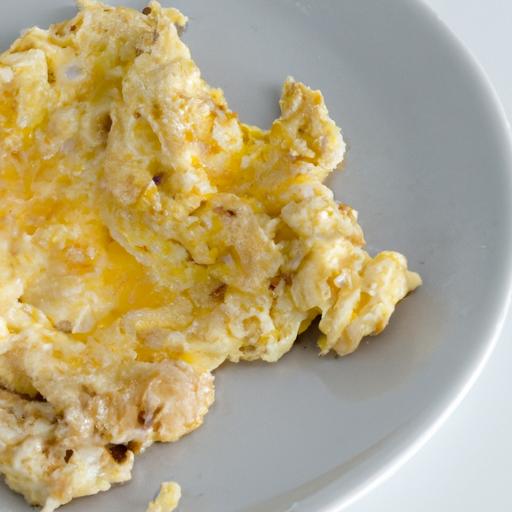

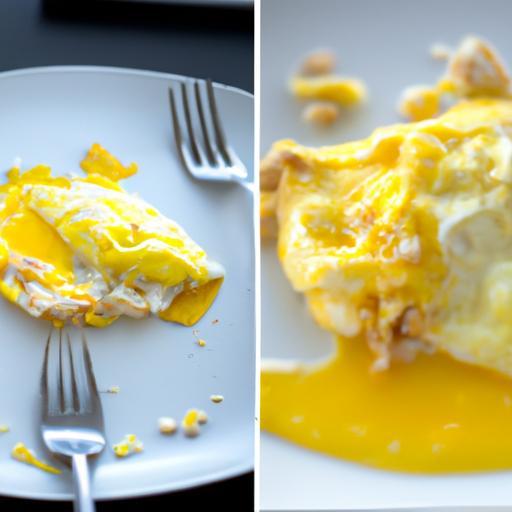
There’s something undeniably comforting about a plate of classic scrambled eggs-a timeless breakfast staple that, when done right, transforms humble ingredients into a fluffy, silky masterpiece. Yet, achieving that perfect balance between creamy softness and delicate fluffiness can be surprisingly elusive. In this article, we’ll unravel the secrets too mastering classic scrambled eggs, guiding you through simple techniques and pro tips that elevate this everyday dish to breakfast brilliance. Whether you’re a novice in the kitchen or looking to refine your skills, prepare to rediscover eggs in their most perfected form: simple, fluffy, and utterly irresistible.
Mastering Classic Scrambled Eggs: Simple, Fluffy, Perfect
Mastering classic scrambled eggs: simple, fluffy, perfect is not just about cracking a few eggs into a pan. It’s about understanding the delicate science behind their soft, airy texture and coaxing out layers of rich, comforting flavor with the right ingredients and technique. Ever wondered why some scrambled eggs look like a creamy cloud while others are dry and rubbery? Let’s demystify this breakfast staple, making every bite a luscious, melt-in-your-mouth experience that elevates your mornings.
prep and Cook Time
Planning: 5 minutes | Cooking: 5 minutes | Total: 10 minutes
Yield
Serves 2 generous portions
Difficulty Level
Easy
Choosing the best Ingredients for Creamy Texture and Rich Flavor
When aiming for perfectly fluffy scrambled eggs,ingredient selection is paramount. Fresh, high-quality large eggs provide a natural creaminess and vibrant color. Whole milk or heavy cream amplifies silkiness without overpowering the eggs’ delicate taste. A pinch of fine sea salt helps break down proteins, aiding a tender texture. For extra indulgence, use unsalted butter, which enriches flavor and creates gentle browning without drying the eggs out.
Step by Step Guide to Achieving Perfectly Soft and Silky Eggs
- Crack and Whisk: Crack 4 large eggs into a bowl and whisk vigorously until the mixture is fully homogeneous and slightly frothy. This adds air for a lighter scramble.
- Add Dairy: Stir in 2 tablespoons whole milk or cream and a pinch of fine sea salt. This brings moisture and richness, creating that velvety texture we crave.
- Preheat Pan and Butter: Heat a non-stick skillet over low to medium-low heat and add 1 tablespoon unsalted butter. Let it melt slowly to form a gentle coating without sizzling.
- Pour and Patience: Pour the egg mixture into the pan. Allow it to sit undisturbed for 15-20 seconds; this jump-starts gentle coagulation without firmness.
- Slow stirring: Using a silicone spatula, slowly push the eggs from the edges toward the center. Keep the motion intentional and gentle to create large, airy curds.
- Remove from Heat Early: When eggs are still slightly wet but just about set, remove the pan from heat.Residual warmth finishes cooking, preserving moisture.
- Final Seasoning: Add a small pat of butter or a sprinkle of flaky sea salt right before serving for extra shine and flavor balance.
Expert Tips for Customizing Your Scrambled Eggs with Fresh Herbs and Cheese
Once you’ve mastered the basics, the world of seasoning and mix-ins unlocks delicious variations. Finely chopped fresh herbs like chives, tarragon, or parsley add bursts of freshness and color. Stirring in creamy cheeses like crumbled feta, grated cheddar, or shaved Gruyère just before removing from heat creates luscious pockets of tangy meltiness. For a savory twist, fold in sautéed mushrooms or a dash of smoked paprika to excite your palate further.Remember, add delicate ingredients toward the end to keep textures consistent and flavors vibrant.
Ingredients
- 4 large eggs, at room temperature
- 2 tablespoons whole milk or heavy cream
- 1 tablespoon unsalted butter
- Pinch of fine sea salt
- Freshly ground black pepper, to taste
- Optional: 2 tablespoons finely chopped fresh herbs (chives, parsley, tarragon)
- Optional: ¼ cup grated cheese (cheddar, Gruyère, or feta)
Instructions
- Whisk eggs and dairy: Crack eggs into a bowl. Add milk or cream and salt. Whisk vigorously until fully blended and slightly frothy.
- Prepare skillet: Place skillet over medium-low heat. Add butter and let it melt slowly without bubbling or browning.
- Cook eggs: Pour egg mixture into the warm pan. Let rest for 15-20 seconds. Gently stir with a spatula, folding the eggs from edges to center.
- Form soft curds: Continue slow stirring until eggs begin to form soft curds but remain moist and slightly underdone.
- Add herbs and cheese: Fold in fresh herbs and cheese if using, off the heat, allowing residual heat to melt cheese gently.
- Finish and serve: Season with freshly ground pepper. Remove eggs promptly from heat to avoid overcooking. Serve promptly, garnished as desired.
Tips for Success
- low heat is key: Avoid high heat to prevent rubbery eggs. Slow, gentle cooking ensures fluffy creaminess.
- Avoid overwhisking: Whisk just until combined for air incorporation; don’t overdo to prevent tough texture.
- Use fresh ingredients: Fresh eggs and quality dairy make a noticeable difference in texture and flavor.
- Make-ahead tip: Scrambled eggs are best fresh but can be kept warm over a double boiler for 10 minutes without losing silkiness.
- Substitutions: For a dairy-free version, substitute milk with unsweetened plant-based milk and butter with olive oil or vegan butter.
Serving Suggestions
Plate these luscious scrambled eggs atop warm,toasted sourdough or a buttery English muffin. Garnish with additional chopped herbs and a light sprinkle of flaky sea salt for visual appeal. Pair with ripe avocado slices and ripe cherry tomatoes drizzled with olive oil to balance richness and add freshness. A side of crisp smoked bacon or sautéed mushrooms completes this satisfying brunch platter, perfect for leisurely mornings.

| Nutrient | Per Serving |
|---|---|
| Calories | 220 kcal |
| Protein | 14 g |
| Carbohydrates | 2 g |
| Fat | 18 g |
For further inspiration on egg dishes, check out our Ultimate Omelette Guide. to deepen your understanding of egg chemistry and cooking techniques, visit serious eats.
Q&A
Q&A: Mastering Classic Scrambled Eggs – Simple,Fluffy,Perfect
Q1: What makes scrambled eggs “classic”?
A classic scrambled egg is all about simplicity-just eggs,a pinch of salt,maybe a bit of butter-and that luscious,creamy texture. It’s the timeless breakfast staple that’s comforting and endlessly versatile. No fancy add-ins needed, just perfect eggs cooked gently to fluffy perfection.Q2: Why do scrambled eggs sometimes turn out rubbery or dry?
Rubbery scrambled eggs are the result of overcooking. Eggs contain proteins that, when heated too much or too fast, tighten up and squeeze out moisture. The secret is low and slow heat combined with gentle stirring, which keeps the eggs tender and creamy rather than stiff and dry.
Q3: How critically important is the cooking temperature?
Temperature is everything! Medium-low heat lets you control the cooking process, allowing the eggs to set slowly. High heat might seem faster but usually results in uneven cooking and tough textures. Think of it as a slow dance rather than a speedy sprint.
Q4: Should I add milk or cream to my scrambled eggs?
Adding milk, cream, or even water is optional and depends on personal preference.A splash can introduce more moisture and make the texture slightly creamier. However, classicists argue that pure eggs, gently whipped and cooked, deliver the fluffiest, most natural flavor.
Q5: What’s the best way to whisk eggs for scrambling?
Vigorously whisk the eggs until the yolks and whites are fully combined and slightly frothy. this incorporates air, which contributes to fluffiness. Use a fork or a whisk-whichever you prefer-but make sure the mixture is homogenous and light.
Q6: How do I achieve that soft, creamy texture without the eggs being runny?
Cook the eggs slowly, stirring frequently but gently. pull the pan off the heat just before they look fully cooked; residual heat will finish the job. This technique prevents overcooking and keeps the eggs silky, not wet or raw.
Q7: What kind of pan and utensils work best?
A non-stick skillet is your best friend for scrambled eggs-less sticking, more control. As for utensils, use a silicone or rubber spatula to gently fold the eggs as they cook. Metal spoons or forks can break up curds too aggressively.
Q8: Can seasoning be added during cooking?
Absolutely! A pinch of salt added at the start helps with texture and flavor. Pepper is best added at the end to preserve its brightness. For a classic touch, keep the seasoning minimal to let the eggs’ natural richness shine.
Q9: How can I elevate classic scrambled eggs without losing simplicity?
Try finishing with a pat of cold butter or a sprinkle of fresh herbs like chives or parsley. These subtle enhancements bring extra flavor and elegance without complicating the recipe.
Q10: What’s the best way to serve classic scrambled eggs?
Serve immediately on warm plates, perhaps alongside toasted bread or fresh fruit. The magic of scrambled eggs is their warm, pillowy texture-waiting too long means they’ll continue cooking and lose their creamy charm.
Mastering classic scrambled eggs is an art of patience, gentle heat, and simple ingredients. with practice, you’ll unlock that perfect balance of fluffy, creamy, and utterly satisfying eggs every time. Happy cooking!
Key Takeaways
In the grand tapestry of breakfast delights, classic scrambled eggs hold a timeless charm-simple ingredients transformed by technique into something fluffy, rich, and utterly satisfying.Mastering this humble dish isn’t just about following a recipe; it’s about embracing patience, precision, and a touch of culinary intuition. With these tips and tricks in your kitchen arsenal, you’re no longer just cooking eggs-you’re crafting the perfect morning ritual.So next time you whisk those eggs, remember: the secret to classic scrambled eggs lies not in complexity, but in the gentle art of simplicity done right. Happy cooking, and may your breakfasts always be perfectly fluffy!