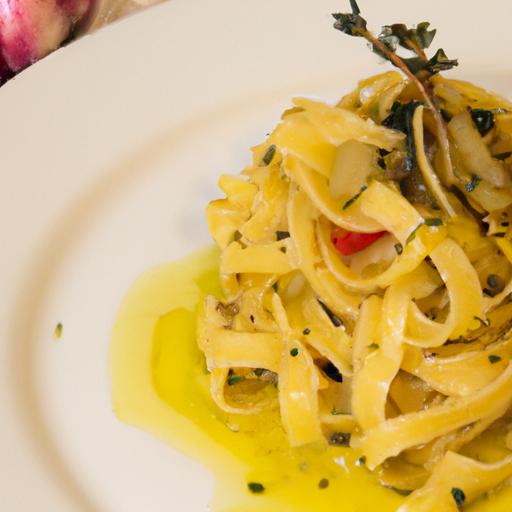

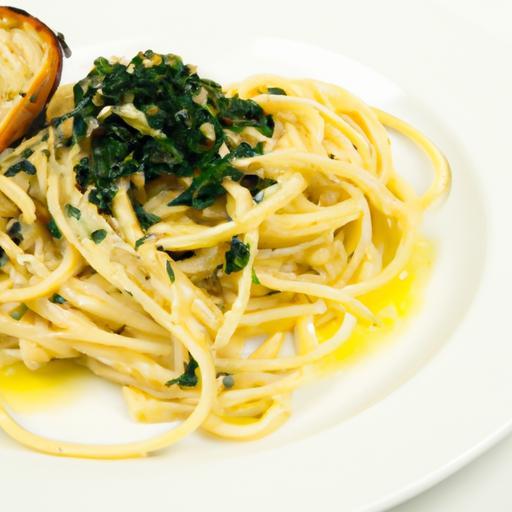
there’s a timeless magic in simplicity, especially when it comes to food. Among the many treasures of Italian cuisine, Aglio Olio stands out as a shining example of how just a few humble ingredients can create a dish bursting with flavour and soul. Mastering Italian aglio Olio isn’t just about following a recipe-it’s about embracing a culinary philosophy that celebrates garlic, olive oil, and pasta in perfect harmony.In this article, we’ll take you on a flavorful journey through the origins, techniques, and secrets that transform this simple pasta classic into a meal that feels both comforting and extraordinary. Whether you’re a novice cook or a seasoned kitchen artist,get ready to discover how to make Aglio Olio your own tasty masterpiece.
Understanding the Authentic Origins and Essence of Aglio Olio
Mastering Italian Aglio Olio unlocks the secrets behind this deceptively simple yet exquisitely flavorful pasta. Originating from Naples, this dish embodies the purest essence of Italian cucina povera-transforming humble ingredients into a soul-satisfying meal. Traditionally crafted with just spaghetti, garlic, olive oil, red pepper flakes, and parsley, Aglio Olio reflects the Mediterranean focus on fresh, quality components balanced in harmony.
Having grown up watching my Nonna prepare this classic, I’ve seen how the rhythm of gently sizzling garlic and perfectly al dente pasta creates a comforting sensory experience. Each layer builds subtle aroma and texture, culminating in a plate that is much greater than the sum of its parts.This is the magic at the heart of mastering Italian Aglio olio.
selecting the Perfect Pasta and Olive Oil for Maximum Flavor
The foundation for a standout Aglio Olio starts with choosing pasta that holds sauce beautifully. Spaghetti is the classic choice because its slender strands capture olive oil and garlic’s flavor with every twist of the fork. For texture variation, consider spaghettini (thinner) or even linguine. Avoid broad or tubular pastas that don’t cling as effectively.
Equally important is the olive oil: a high-quality extra virgin olive oil boasts vibrant fruity, grassy notes that elevate the dish’s complexity. Look for cold-pressed, fresh harvest oils with a peppery finish for the best sensory impact. The oil is your sauce-choosing wisely is essential.
Techniques to Achieve the ideal Garlic Infusion Without Bitterness
Garlic is both the heart and potential pitfall when mastering Italian Aglio Olio. The goal is a golden, gently toasted garlic flavor that’s savory and aromatic without veering into burnt bitterness. Start by thinly slicing fresh garlic cloves to maximize even cooking.
Heat the olive oil on medium-low, then slowly add the garlic, stirring frequently. Patience here is key: allow it to sweat and become translucent before venturing into a delicate golden hue. Remove from heat as soon as edges start to tan; residual warmth will finish the infusion. This technique creates layers of sweetness and warmth, crucial for mastering Italian aglio olio flawlessly.
elevating Your Aglio Olio with Fresh Herbs and Creative Add-Ins
While the classic Aglio Olio delights with simplicity, thoughtful additions can add nuanced depth and personality. Fresh flat-leaf parsley sprinkled at the end adds vibrant color and a fresh herbal pop. For a creative twist, try adding finely chopped oregano or basil for an aromatic Mediterranean bouquet.
To further elevate your plate, consider a pinch of toasted pine nuts for crunch, sun-dried tomatoes for umami, or a light dusting of Parmigiano-Reggiano for savory richness. Even a touch of lemon zest can brighten and balance the oil’s richness. These simple enhancements showcase your creativity without overshadowing the timeless essence of the dish.
Prep and cook Time
- Prep Time: 10 minutes
- Cook Time: 15 minutes
- Total Time: 25 minutes
Yield
Serves 4 generous portions
Difficulty Level
Easy – perfect for both beginners and seasoned cooks looking for a rapid, elegant meal
Ingredients
- 400g spaghetti (or spaghettini for a lighter touch)
- 6 cloves garlic, thinly sliced
- ⅓ cup extra virgin olive oil (cold pressed, high quality)
- 1 teaspoon red pepper flakes (adjust to taste)
- 1 large handful fresh flat-leaf parsley, finely chopped
- Salt, for pasta water and seasoning
- Freshly ground black pepper, to taste
- Optional: fresh lemon zest, toasted pine nuts, Parmigiano-Reggiano
Instructions
- Bring a large pot of salted water to a boil. Add spaghetti and cook until al dente according to package instructions (usually 8-10 minutes).
- While pasta cooks, heat olive oil gently in a large skillet over medium-low heat. Add the thinly sliced garlic and red pepper flakes.
- Sauté garlic slowly. Stir frequently to ensure even cooking and prevent burning; cook until garlic is translucent and just golden (about 5 minutes). Remove from heat promptly to avoid bitterness.
- Reserve 1 cup of pasta cooking water and then drain pasta.
- Add drained spaghetti to the skillet with garlic oil. Toss thoroughly to coat all strands.
- Add reserved pasta water a little at a time if the pasta seems dry; this helps the sauce cling and adds silkiness.
- Stir in chopped fresh parsley and season with salt and black pepper to taste. Toss once more for even distribution.
- Serve immediately. Optionally top with lemon zest, pine nuts, or freshly grated Parmigiano-Reggiano for added flair.
Tips for Success
- Slice garlic uniformly: thinner slices cook more evenly and infuse oil better.
- Use moderate heat: too high will burn garlic quickly, ruining the flavor.
- Always reserve pasta water: its starch creates a glossy sauce that binds oil and pasta perfectly.
- Add herbs at the end: preserves freshness and vibrant color.
- Make-ahead option: prepare garlic oil in advance and reheat gently before adding pasta for quick assembly.
Serving suggestions
Present your Aglio Olio on warm plates to keep the dish inviting. Garnish with extra fresh parsley and a sprinkling of cracked black pepper for visual contrast. For a festive touch, drizzle a little more high-quality olive oil on top. Pair with a crisp green salad and a glass of chilled dry Italian white wine for a perfectly balanced meal.
| Nutrient | Amount per Serving |
|---|---|
| Calories | 420 kcal |
| Protein | 12 g |
| Carbohydrates | 58 g |
| Fat | 14 g |
Explore more classic italian pasta recipes to keep your culinary journey vibrant.
For further insights on olive oil selection, visit International Olive Council.

Q&A
Q&A: Mastering Italian Aglio Olio – A Simple Pasta Classic Recipe
Q1: What exactly is Aglio Olio, and why is it considered a classic Italian dish?
A1: Aglio Olio literally means “garlic and oil” in Italian, and it’s a minimalist yet flavorful pasta dish hailing from Naples. This dish showcases the magic that happens when simple pantry staples-garlic, olive oil, chili flakes, and spaghetti-come together. Its timeless appeal lies in its simplicity, bold flavors, and quick preparation, making it an authentic depiction of Italian culinary philosophy: quality over complexity.
Q2: Can I customize Aglio Olio, or is sticking to the traditional recipe essential?
A2: While the heart of Aglio Olio beats in its traditional ingredients, the beauty of this dish is its versatility. You can add elements like fresh parsley, lemon zest, or Parmesan for more depth.Some creative twists include tossing in sautéed shrimp, anchovies, or a handful of toasted breadcrumbs for crunch. however, retaining the balance between garlic and olive oil is key to respecting the classic essence.
Q3: What type of garlic and olive oil should I use for the best Aglio Olio?
A3: Fresh, firm garlic cloves with a pungent aroma are essential-they provide that unmistakable pungent, slightly sweet flavor. For olive oil, choose extra virgin olive oil of good quality, preferably cold-pressed to maintain its fruity, peppery notes.The olive oil is the flavor backbone, so its richness dramatically influences the final dish.
Q4: How do I avoid the common pitfall of burnt garlic?
A4: Ah, burnt garlic-a common enemy of Aglio Olio enthusiasts! To avoid this, slice or crush the garlic evenly and gently warm it over low to medium heat. Keep a close eye and stir often; the goal is a golden, fragrant garlic-not brown or blackened. If garlic burns, it tastes bitter and can ruin the entire dish.
Q5: Is there a secret technique to making the pasta sauce silky and well-embraced by the spaghetti?
A5: Absolutely! The secret lies in the starchy pasta water. Before draining your spaghetti, save about a cup of the cooking water.When you mix the garlic and oil with the pasta, add the reserved water a little at a time and toss vigorously. The starch emulsifies the oil, creating a glossy, silky sauce that clings lovingly to each strand.
Q6: Can Aglio Olio be prepared vegetarian or vegan-kind?
A6: Definitely. The classic recipe is naturally vegan, using no animal products. For vegetarians and vegans wanting to boost flavor or texture, simply skip cheese or replace it with nutritional yeast or vegan Parmesan alternatives. This dish’s foundation is plant-based and beautifully simple.
Q7: how long does it typically take to prepare Aglio Olio?
A7: One of the reasons this dish has stayed a kitchen staple is its speed. From boiling the water to plating, you’re looking at about 15 to 20 minutes-perfect for weeknight dinners or whenever you crave something comforting and quick.
Q8: What wine pairing best complements the flavors of Aglio olio?
A8: Aglio Olio’s shining, garlicky undertones pair wonderfully with a crisp white wine like Pinot Grigio or Verdicchio. These wines have enough acidity to cut through the olive oil’s richness and complement the hint of chili heat, creating a balanced, refreshing dining experience.
Q9: How can beginners master this deceptively simple recipe without feeling overwhelmed?
A9: Start by embracing patience and focus. Cook pasta to al dente perfection, finely slice garlic, monitor your heat carefully, and don’t rush the tossing step with pasta water. Practice makes perfect, but the simplicity means even your first attempt will taste delicious-don’t overthink it, and enjoy the process!
Q10: Why does mastering Aglio Olio build a foundation for exploring other Italian dishes?
A10: Aglio Olio teaches control over fundamentals: pasta cooking, heat management, oil infusion, and seasoning balance. these skills translate directly into countless other Italian recipes. Once you’ve mastered this classic, you gain confidence to tackle more complex sauces and embrace Italy’s diverse pasta traditions with greater ease.
Mastering Aglio Olio is like learning to dance with simplicity-each ingredient plays a role, resulting in a dish that’s humble yet unforgettable. So grab your garlic and olive oil, and let this timeless Italian classic bring joy to your table!
Future Outlook
In the world of italian cuisine, few dishes capture the essence of simplicity and flavor quite like aglio olio. By mastering this humble pasta classic, you’re not just preparing a meal-you’re embracing a timeless tradition that celebrates garlic, olive oil, and the art of effortless cooking. Whether you’re a seasoned chef or a curious beginner, aglio olio invites you to savor the beauty of minimalism on a plate, proving that sometimes, less truly is more.So next time you crave a dish that’s quick, satisfying, and brimming with authentic Italian spirit, remember: the secret is in the garlic, the olive oil, and your passion for creating something deliciously simple. Buon appetito!