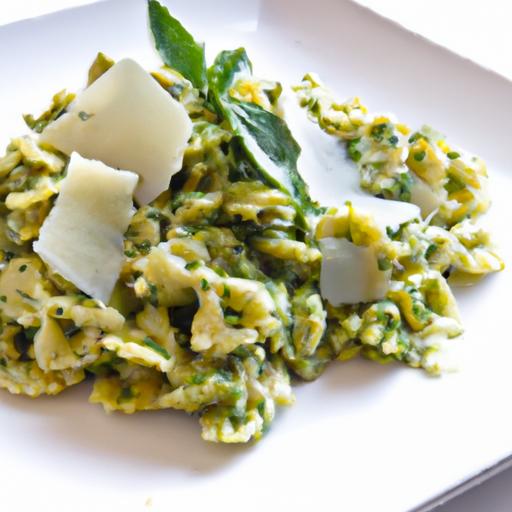

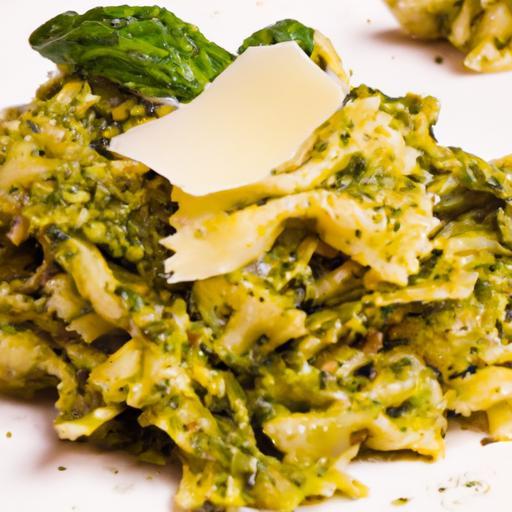
There’s something undeniably magical about teh marriage of tender pasta and vibrant pesto-a harmony of textures and flavors that dances on the palate with every bite. “Pasta Pesto Perfection: Fresh Flavors in Every Bite” invites you to explore the lush world of this Italian classic, where fragrant basil, nutty pine nuts, sharp Parmesan, and rich olive oil come together to create a sauce that is as simple as it is sublime. Whether you’re a seasoned chef or a home cook seeking to elevate your dinner routine,this article will guide you thru the secrets of crafting pesto that bursts with freshness and pairing it flawlessly with pasta to achieve a dish that’s nothing short of perfection. Prepare to awaken your senses and discover how a handful of fresh ingredients can transform an ordinary meal into a vibrant celebration of flavor.
Pasta Pesto Perfection: Fresh Flavors in Every bite
Delving into Pasta Pesto Perfection is an invitation to savor the vibrant, herbaceous burst of fresh basil mingling with the nutty richness of pine nuts and parmesan. This classic Italian sauce isn’t just a condiment-it’s a celebration of simplicity elevated by quality ingredients and technique. Whether you’re reminiscing about sunny Ligurian afternoons or seeking a speedy yet refined dinner,mastering this dish promises a taste experience that’s truly unforgettable.
Prep and cook time
- Planning: 15 minutes
- Cooking: 10 minutes
- Total: 25 minutes
yield
- Serves 4 generously
Difficulty level
- Easy – perfect for beginners and seasoned cooks alike
Ingredients
- 2 cups fresh basil leaves, packed, washed and dried
- 1/3 cup pine nuts, lightly toasted
- 2 cloves garlic, peeled
- 1/2 cup extra virgin olive oil, cold-pressed
- 3/4 cup freshly grated Parmigiano-Reggiano
- Salt to taste
- Freshly ground black pepper, optional
- 400g quality dried pasta (trofie, linguine, or fettuccine recommended)
Instructions
- Prepare the basil and nuts. Gently toast the pine nuts over medium heat in a dry skillet until golden and aromatic, about 3-4 minutes. Watch closely to avoid burning. Let cool.
- Blend the pesto base. In a food processor, combine basil leaves, toasted pine nuts, and garlic cloves. Pulse until coarsely chopped, scraping down the sides as needed.
- Incorporate cheese and oil. Add the grated Parmesan while pulsing. Then, with the processor running, slowly drizzle in the olive oil until your pesto is a smooth, vibrant green sauce. Season with salt and black pepper to taste.
- Cook the pasta. Bring a large pot of salted water to a rolling boil. Add the pasta and cook until al dente according to package instructions, usually 8-10 minutes.
- Combine pasta and pesto. Drain the pasta, reserving ½ cup of cooking water. Return pasta to the pot, add the pesto, and toss well. If too thick,add reserved pasta water in small amounts to loosen and create a silky coating.
- Serve promptly. Plate with a finishing sprinkle of Parmesan and a few toasted pine nuts for crunch.
Choosing the Finest Ingredients for an authentic Pesto Experience
The magic begins with the ingredients. For Pasta Pesto Perfection, fresh basil is non-negotiable. Opt for vibrant, aromatic leaves harvested the same day you cook, free from blemishes or wilting. The pine nuts should be fresh and lightly toasted to unlock their buttery notes-avoid pre-packaged, stale nuts which can dull the flavor. True Parmigiano-Reggiano,aged at least 24 months,delivers umami richness that elevates the sauce beyond any imitation cheese. Lastly, quality olive oil is essential: opt for an extra virgin type cold-pressed from ripe olives, which brings fruity, grassy layers to your pesto. These simple choices transform humble ingredients into a symphony of fresh flavors that define the dish.
Mastering the Art of the Perfect Pasta Texture
Achieving the ideal pasta bite is a cornerstone of Pasta Pesto Perfection. Pasta cooked al dente retains a slight firmness that holds up beautifully when tossed in pesto, balancing softness with a gentle chew. Salt your cooking water generously-like the sea-this imparts subtle seasoning from within. Timing is key: drain the pasta promptly and briefly before the last moment of tossing with pesto to avoid sogginess. Incorporating reserved pasta water gradually helps emulsify the sauce, lending a glossy, silky finish that clings to every strand. This technique turns simple noodles into a luscious canvas celebrating the pesto’s freshness.
innovative Twists to Elevate Classic Pesto Dishes
While conventional pesto shines beautifully as is, fresh twists can add exciting dimensions. Try swapping pine nuts for toasted walnuts or pistachios for a deeper, earthier nutty note. Add a handful of baby spinach or arugula leaves alongside basil for a peppery edge and vibrant green color. For extra decadence,fold in crispy pancetta or sun-dried tomatoes to introduce texture and savory contrast. For a vegan variant without cheese, nutritional yeast adds a cheesy umami punch. These innovations allow you to make the pesto your own, providing enticing variations that keep this classic perpetually fresh.
Pairing Wines and Sides for a Complete Pesto Meal
To round out your Pasta Pesto Perfection experience, wine pairing should complement basil’s fresh herbal brightness and the nutty richness of Parmesan.A crisp, unoaked white like a Vermentino or sauvignon Blanc lifts the palate with zesty citrus and green apple notes. For red lovers, a light-bodied Pinot Noir or Chianti with soft tannins and bright acidity accentuates the vibrant pesto without overpowering it. sides should stay simple yet sophisticated-think a rustic Italian focaccia brushed with rosemary olive oil or a chilled Caprese salad showcasing ripe tomatoes and buffalo mozzarella. These accompaniments create a well-rounded meal, inviting you to savor every harmonious bite.

Chef’s Notes & Tips for Success
- For a smoother pesto, finely grate Parmesan using a microplane and blend longer, but keep some texture for bite.
- Store leftover pesto in an airtight container with a thin layer of olive oil on top to prevent oxidation; consume within 3 days.
- If fresh basil isn’t available, use frozen basil, thawed and drained, though flavor will be milder.
- when toasting pine nuts, use low to medium heat to prevent bitterness.
- Enhance the flavor by adding a squeeze of fresh lemon juice for brightness, especially if basil is slightly mature.
serving Suggestions
present the pasta in wide, shallow bowls to showcase the glossy pesto coating. Garnish with a light scattering of grated Parmesan, a few whole toasted pine nuts, and fresh basil sprigs for color and aroma. A drizzle of high-quality extra virgin olive oil just before serving will add enticing shine and richness. Pair with a chilled glass of your chosen white wine and a crisp side salad or crusty bread to complete a meal that feels both effortless and elegant.
| Nutrient | Per Serving |
|---|---|
| Calories | 520 kcal |
| Protein | 18 g |
| Carbohydrates | 55 g |
| Fat | 22 g |
Hungry for more? Check out our deep dive into Italian pasta tutorials to perfect your pasta craftsmanship. For further reading on the history and health benefits of basil, visit Britannica’s Basil Guide.
Q&A
Q&A: Pasta Pesto Perfection – Fresh Flavors in Every Bite
Q1: What makes pesto the perfect companion for pasta?
A: Pesto is a vibrant burst of fresh flavors that effortlessly elevates any pasta dish. Its blend of fragrant basil, nutty pine nuts, sharp Parmesan, and garlicky goodness creates a harmonious symphony that clings beautifully to every strand or bite of pasta. The freshness of the herbs combined with the richness of olive oil brings out the pasta’s own character, making each mouthful a celebration of both texture and taste.
Q2: Can you explain the origins of traditional pesto?
A: Traditional pesto, or Pesto alla Genovese, hails from the Liguria region of Italy, specifically Genoa. The word “pesto” comes from the Italian pestare, meaning “to crush” or “to pound,” referencing the original method of grinding ingredients with a mortar and pestle. This ancient recipe combines freshly picked basil leaves, garlic, pine nuts, Parmesan cheese, and extra virgin olive oil-simple ingredients that speak volumes in flavor.
Q3: How can one ensure their pesto is fresh and vibrant?
A: For pesto bursting with fresh flavor, start with high-quality, fresh basil leaves picked the same day you make the sauce. use freshly grated Parmesan rather then pre-shredded cheese, and opt for cold-pressed, extra virgin olive oil. Avoid overheating pesto; rather, toss it with hot pasta off the heat to preserve the bright green color and zesty flavor. grind your pesto gently to maintain a slightly coarse texture that delivers bursts of flavor in each bite.
Q4: Are there creative twists to traditional pesto worth trying?
A: Absolutely! While basil remains classic, pesto lends itself beautifully to experimentation. Try swapping basil for arugula, spinach, or kale to change the flavor profile. Nuts like walnuts, almonds, or pecans can add unique nuttiness. For a zesty twist, add lemon zest or try incorporating fresh herbs such as mint or parsley. Even blending in sun-dried tomatoes or roasted red peppers can create colorful and tasty variations that keep your pesto pasta delightfully fresh and exciting.
Q5: Which pasta shapes work best with pesto?
A: Pesto loves to cling to pasta with nooks and grooves! Twisted shapes like trofie or fusilli, ridged penne, and farfalle (bowties) catch the pesto in their folds, ensuring every bite is flavorful. Thin strands such as linguine or spaghetti also work beautifully, offering a silky and elegant experience. Ultimately, the perfect pasta shape for pesto blends texture with sauce adherence-like a perfect dance of flavor and feel.
Q6: What accompaniments best complement a pasta pesto dish?
A: To keep the fresh vibe flowing, pair your pasta pesto with crisp, lightly dressed greens like arugula or a simple mixed salad. A drizzle of cherry tomatoes provides a juicy burst that balances the richness. For protein, grilled chicken, sautéed shrimp, or white beans provide subtle flavors that don’t overpower the pesto’s star quality. A glass of chilled white wine, like Pinot grigio, rounds out the meal with refreshing notes that mirror the dish’s bright character.Q7: Can pesto be prepared in advance, or is it best made fresh?
A: While pesto is undeniably best enjoyed fresh for its vibrant color and intense aroma, you can prepare it a day ahead if necessary. Store it in an airtight container, pressing a thin layer of olive oil on top to prevent oxidation and keep it from browning. Refrigerate and bring to room temperature before tossing with pasta. For longer storage,pesto freezes well in ice cube trays-perfect for a quick flavor boost anytime you crave pasta pesto perfection.
Enjoy your culinary journey through the enchanting world of pesto-where every bite of pasta is freshness captured in vibrant green!
To Conclude
As you twirl your fork and savor each vibrant strand of pasta dressed in that shimmering green pesto, remember: this dish is more than just a meal-it’s a celebration of fresh ingredients, tradition, and simplicity perfected. Whether you’re crafting your own basil blend or exploring new twists with nuts and cheeses, Pasta Pesto offers a canvas for creativity and a passport to Italian-inspired delight. So next time hunger calls, let this effortless fusion of flavor transport you to sun-drenched patios and lively family dinners, one fresh, fragrant, perfect bite at a time.