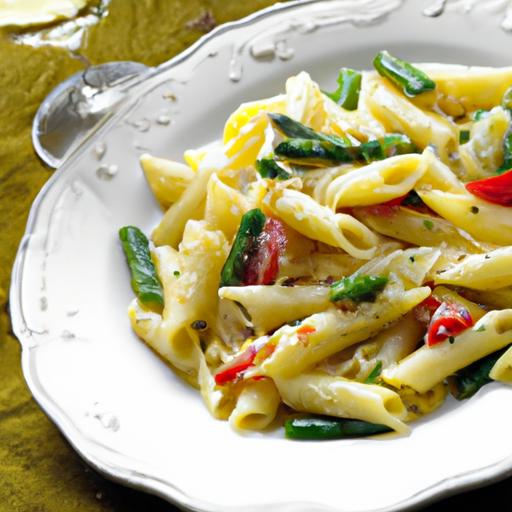

There’s something undeniably enchanting about the aroma of a classic Italian kitchen-rich tomato sauces simmering on the stove, freshly grated Parmesan dusting the air, and the comforting warmth of perfectly cooked pasta. Yet, amidst these beloved traditions lies a vibrant, refreshing variation that breathes new life into Italy’s culinary legacy: Pasta Primavera. This delightful dish, bursting with colorful vegetables and bright flavors, offers a fresh twist on the classic pasta experience.In this article, we’ll explore how Pasta Primavera combines simplicity and sophistication, transforming humble ingredients into a celebration of spring’s bounty and turning an everyday meal into a canvas of vibrant tastes and textures.
Pasta Primavera: A Fresh Twist on Classic Italian Delight
Pasta Primavera is a celebration of sun-drenched gardens and the vibrant bounty of spring. Originally created in the 1970s as a spontaneous American interpretation of Italian cuisine, this dish blends al dente pasta with fresh, crisp vegetables for a sensory experience that delights both the eye and palate. As someone who’s handcrafted and styled countless plates, I find pasta primavera to be the ultimate canvas for showcasing seasonal produce, bursting with flavors that are as lively as the colors on your plate.
Prep and Cook Time
- Planning: 20 minutes
- Cooking: 15 minutes
- Total Time: 35 minutes
Yield
Serves 4 generously
Difficulty Level
Easy – Perfect for weekday dinners or casual entertaining
Ingredients
- 12 oz fettuccine or linguine pasta
- 2 tbsp extra virgin olive oil, divided
- 3 garlic cloves, finely minced
- 1 cup cherry tomatoes, halved
- 1 medium zucchini, thinly sliced into half-moons
- 1 medium yellow squash, thinly sliced
- 1 cup fresh asparagus tips, cut into 1-inch pieces
- 1 cup fresh peas or sugar snap peas, trimmed
- 1/2 cup shredded Parmesan cheese, plus extra for garnish
- 1/4 cup fresh basil leaves, roughly torn
- 1 tbsp fresh lemon juice
- Salt and freshly ground black pepper, to taste
- Red pepper flakes (optional, for a subtle kick)
Instructions
- Bring a large pot of salted water to a boil. Add the pasta and cook according to package instructions until al dente, usually 9-11 minutes. reserve 1 cup of pasta water before draining.
- While the pasta cooks,heat 1 tablespoon of olive oil in a large skillet over medium heat. Add the minced garlic and sauté until fragrant, about 1 minute, being careful not to let it brown.
- Add the asparagus, zucchini, yellow squash, and peas to the skillet. Sauté until the vegetables are tender-crisp and vibrant in color, about 5-7 minutes, stirring occasionally.
- Stir in the cherry tomatoes and cook for 2 more minutes until they soften gently.
- add the drained pasta directly to the skillet with the vegetables.Drizzle the remaining tablespoon of olive oil and pour in the reserved pasta water gradually to create a delicate sauce that coats the strands perfectly.
- Remove from heat and toss in the Parmesan cheese, fresh basil, and lemon juice. Season generously with salt, pepper, and red pepper flakes if using.
- Mix until all ingredients are evenly combined and the cheese melts into the warm pasta and veggies.
- Serve promptly, garnished with extra Parmesan and a sprinkle of fresh basil leaves for a fresh, aromatic finish.
Tips for Success
- Select vegetables that are in peak season to ensure the brightest colors and most intense flavors.
- Don’t overcook your veggies; the trademark of pasta primavera is that crisp, fresh bite.A rapid sauté is key!
- Reserve pasta water; its starchiness helps emulsify the sauce and bind the flavors together beautifully without using cream.
- For a richer sauce, add a tablespoon of butter when tossing the pasta with vegetables and cheese.
- Make ahead: Prepare vegetables and herbs in advance to save time, but toss pasta just before serving to keep it fresh and vibrant.
Innovative Twists and Serving Suggestions to Elevate Your Dish
To elevate pasta primavera, consider incorporating grilled lemon zest or toasted pine nuts for a layer of texture and aroma. For an indulgent variation, drizzle truffle oil just before serving, or fold in dollops of burrata cheese for creamy decadence.
This dish pairs beautifully with a crisp, chilled sauvignon Blanc or a light-bodied Pinot Grigio to complement the veggie-forward freshness. Serve on wide, shallow bowls that frame its colors, and garnish with microgreens or edible flowers for a stunning presentation that captivates instantly.
| Nutrient | Amount per Serving |
|---|---|
| Calories | 320 kcal |
| Protein | 12 g |
| Carbohydrates | 48 g |
| Fat | 8 g |
Explore more classic Italian pasta recipes for additional inspiration,and learn about the rich history behind Italy’s culinary treasures here.

Q&A
Q&A: Pasta Primavera – A Fresh Twist on Classic Italian Delight
Q1: What is pasta Primavera?
A: Pasta Primavera is a vibrant Italian-American dish that combines al dente pasta with a medley of fresh, sautéed vegetables. Originating in the 1970s, it captures the essence of spring’s bounty, offering a lighter, colorful option to customary heavy pasta sauces.Think crisp asparagus, sweet peas, cherry tomatoes, and tender zucchini tossed in a buttery garlic sauce – a celebration of freshness on your plate.
Q2: How did Pasta primavera get its name?
A: The name “Primavera” means “spring” in Italian, reflecting the dish’s inspiration from the season’s fresh produce. It was popularized in New York’s vibrant dining scene as a creative way to highlight garden-fresh vegetables, blending Italian culinary roots with a modern American flair.
Q3: Is pasta Primavera an authentic Italian dish?
A: While it uses Italian ingredients and techniques, Pasta Primavera is more Italian-American than traditionally Italian. The dish was invented in the United States, making it a beautiful example of culinary evolution – honoring classic Italian flavors while embracing innovation and seasonal freshness.
Q4: What types of pasta work best in Pasta Primavera?
A: Long, slender pastas like linguine, fettuccine, or spaghetti are perfect for uniting with the delicate vegetables. Their smooth texture and shape allow the silky sauce and crisp veggies to cling beautifully, creating a harmonious bite every time.
Q5: Can Pasta Primavera be made vegetarian or vegan?
A: Absolutely! The classic recipe is naturally vegetarian, loaded with fresh vegetables and olive oil or butter. To make it vegan, simply swap butter for olive oil and use nutritional yeast or vegan cheese alternatives if desired. The vibrant vegetables and herbs ensure it remains bursting with flavor regardless.
Q6: What makes Pasta Primavera a healthy choice?
A: This dish shines because it celebrates fresh vegetables,providing fiber,vitamins,and antioxidants. Paired with whole grain or legume-based pasta, it’s a nutrient-packed meal that feels indulgent without weighing you down – perfect for those seeking a wholesome yet tasty meal.
Q7: How can I add a personal twist to pasta Primavera?
A: The beauty of Pasta Primavera lies in its flexibility. Try adding fresh herbs like basil,mint,or tarragon for unique aromas. Sprinkle toasted pine nuts or parmesan for texture and savory richness. Or introduce seasonal veggies-think roasted butternut squash in fall or sautéed artichokes in spring-to keep it fresh and exciting year-round.
Q8: What wine pairs best with Pasta Primavera?
A: A crisp, light white wine such as Pinot Grigio or Sauvignon Blanc perfectly complements the dish’s lively vegetable flavors and delicate sauce. For a non-alcoholic option, sparkling water infused with lemon or cucumber provides a refreshing accompaniment.
Q9: How long does it take to prepare Pasta primavera?
A: Quick and satisfying, Pasta primavera can come together in about 25 to 30 minutes. The key is prep – chopping veggies in advance speeds up the sautéing, while cooking the pasta just right takes mere minutes, making it ideal for a vibrant weeknight dinner.
Q10: What’s the secret to making Pasta Primavera truly memorable?
A: Freshness and balance are the secrets to this dish. Using crisp,seasonal vegetables and quality pasta ensures bright,clean flavors. Gently tossing everything together with a light sauce that enhances without overpowering lets the natural goodness shine. A sprinkle of fresh herbs and a squeeze of lemon juice at the end elevates the dish to pure springtime bliss.
pasta Primavera isn’t just a meal; it’s a celebration of nature’s colors and flavors blending seamlessly on your plate. Perfect for those craving a fresh twist on classic Italian comfort, it invites you to savor the season’s best with every bite. Buon appetito!
To Conclude
In the vibrant world of Italian cuisine, Pasta Primavera stands out as a celebration of freshness and simplicity-a dish that elegantly bridges tradition with a burst of seasonal color. whether you’re a longtime lover of classic pasta or an adventurous foodie seeking a lighter, veggie-packed option, this delightful recipe invites you to savor the essence of springtime all year round. So next time you crave a meal that is both comforting and refreshing, remember Pasta Primavera: a timeless Italian treasure that’s as wholesome as it is delicious. Buon appetito!