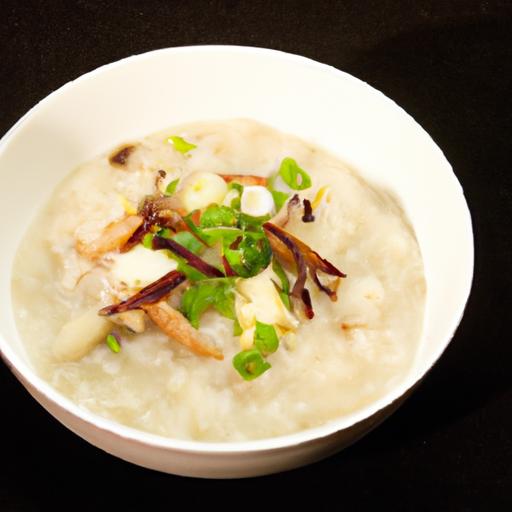

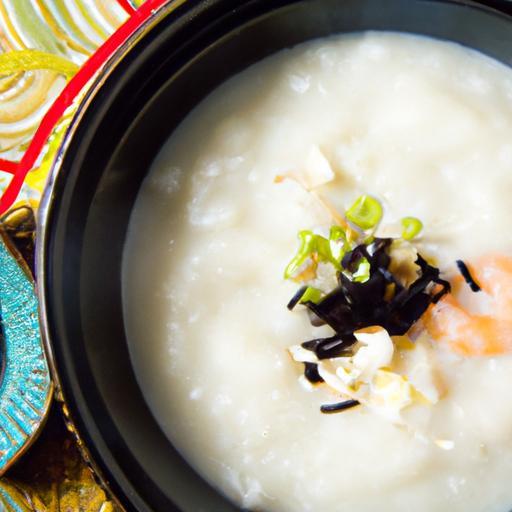
There’s a humble bowl that has cradled countless generations through times of hardship and celebration alike-rice gruel. Known by many names across diverse cultures,this simple,soothing porridge is much more then just a meal; it is a living testament to human resilience,tradition,and comfort.From the misty mornings of Asian villages to the bustling kitchens in modern homes, rice gruel weaves together nourishment and history in every spoonful. In this article,we’ll explore the origins,cultural meaning,and enduring appeal of rice gruel-revealing why this unassuming dish continues to warm bodies and souls around the world.
Rice gruel is a humble yet profoundly comforting dish that has woven itself into the culinary fabric of Asia for millennia. from the bustling street markets of China to the serene countryside of Japan and the vibrant food stalls of southeast Asia, rice gruel has been cherished not only for its soothing texture but also for its healing properties and cultural symbolism. Its simplicity conceals layers of tradition, health benefits, and versatility that inspire both reverence and creativity in kitchens worldwide.
Prep and Cook Time
- Planning: 5 minutes
- Cooking: 45 minutes
- Total Time: 50 minutes
Yield
- Serves 4 comfortably
Difficulty Level
- Easy – perfect for cooks of any experience
Ingredients
- 1 cup jasmine rice, rinsed thoroughly
- 8 cups water or low-sodium chicken broth for enhanced flavor
- 1 teaspoon salt (adjust to taste)
- 1 tablespoon freshly grated ginger (optional, for warmth and aroma)
- 2 scallions, finely chopped (for garnish)
- 1 tablespoon toasted sesame oil or mild vegetable oil
- 1/2 cup cooked shredded chicken or tofu cubes (optional for protein boost)
- White pepper, to taste
Instructions
- Rinse the rice under cold water until the water runs clear – this helps remove excess starch and ensures a silky texture.
- Combine the rice and 8 cups of liquid (water or broth) in a large heavy-bottomed pot. Add grated ginger and salt.
- Bring mixture to a boil over medium-high heat. Once boiling, reduce heat to low and simmer uncovered, stirring occasionally to prevent rice from sticking to the bottom.
- simmer gently for 40-45 minutes, stirring every 5 to 10 minutes until rice breaks down and the mixture attains a creamy, porridge-like consistency.
- if desired, stir in the cooked shredded chicken or tofu during the last 5 minutes to warm through.
- Adjust seasoning by adding more salt or white pepper to taste.
- Remove from heat, and drizzle toasted sesame oil over the top for a fragrant finish.
- Ladle the rice gruel into warm bowls and garnish liberally with chopped scallions before serving.
Chef’s Notes and Tips for Success
- Rice variety: While jasmine rice offers a delicate floral note and ideal texture, short-grain or sushi rice can also create a splendid creamy gruel.
- Cook time versatility: For an even smoother consistency, extend cooking and increase liquid by a half cup to one cup.
- Make-ahead tip: Refrigerate leftovers for up to 3 days and gently reheat with a splash of water or broth to loosen the texture.
- Flavor variations: Add a splash of soy sauce or a boiled century egg for traditional Chinese twists. Incorporate miso paste for a Japanese-inspired depth.
- Vegan version: Use vegetable broth and tofu, skip meat additions, and consider ginger, garlic, or shiitake mushrooms for umami layers.
Serving Suggestions
Rice gruel’s gentle flavor profile invites a world of complementary toppings and accompaniments, making it a dish that effortlessly transitions through seasons and moods.
- Spring & Summer: Serve chilled or at room temperature with refreshing sliced cucumber, pickled radishes, fresh herbs like cilantro, or a drizzle of chili oil.
- Autumn & Winter: Warm bowls topped with sautéed mushrooms, a soft boiled egg, crispy fried shallots, and a dash of white pepper create a heartwarming meal.
- Accompaniments: Traditional side dishes such as Chinese salted duck eggs, Korean kimchi, or Vietnamese pickled vegetables add bursts of flavor and texture.
- Garnishes: Try chopped scallions, toasted sesame seeds, finely sliced nori, or a splash of soy sauce to elevate each serving visually and aromatically.
Health Benefits and Nutritional Value of Rice Gruel
Rice gruel provides a nourishing base, easily digestible for all ages – particularly valued in times of convalescence or digestive discomfort. Rich in complex carbohydrates and low in fat, it serves as a gentle energy source. The hydration from its broth helps soothe the body, making it a staple for preventing dehydration. Ginger adds not only flavor but anti-inflammatory benefits, supporting digestion and immunity.
| Nutrient | Per Serving (approx.) |
|---|---|
| calories | 150 kcal |
| Protein | 4g |
| Carbohydrates | 30g |
| Fat | 2g |
Traditional Recipes and Modern Twists to Try at Home
While the fundamental preparation remains consistent, each culture lends its unique mark on rice gruel. In China, congee is an everyday comfort food often garnished with century eggs or pickled vegetables. In Korea, juk is a thicker, more porridge-like variant frequently enriched with abalone or pumpkin puree. Japanese okayu is prized for its gentle subtlety, often served during illness with umeboshi (pickled plum) for tang and health.
Modern takes experiment with global flavors – think creamy coconut milk blends inspired by Southeast Asia, or savory toppings like sautéed kale and roasted garlic for a contemporary vegan variation.for a breakfast twist, stir in soft boiled eggs and chili oil for a spicy, energizing start.
Explore unique takes and tips from related Asian porridges in our detailed Asian Porridge Recipes collection. For a deep dive into the cultural and nutritional science behind rice gruel, visit the authoritative World History Encyclopedia on Rice.

Q&A
Q&A: Rice Gruel – comfort Food with a Nourishing history
Q1: What exactly is rice gruel?
A1: Rice gruel, frequently enough known as rice porridge or congee, is a simple yet transformative dish made by simmering rice in plenty of water until it breaks down into a creamy, soupy consistency. it’s the culinary equivalent of a warm hug-soft, soothing, and deeply nourishing.Q2: Where did rice gruel originate?
A2: Rice gruel boasts a rich history spanning thousands of years across various cultures in Asia, from the bustling streets of China to the quiet villages of Japan, Korea, and Southeast Asia. Each region has woven its own story into the dish, making rice gruel as diverse as the people who enjoy it.
Q3: why is rice gruel considered comfort food?
A3: There’s something almost magical about rice gruel’s simplicity. Its gentle texture and mild flavor offer a soothing respite during illness or cold weather. Beyond its taste, rice gruel satisfies an innate craving for warmth and care, frequently enough reminding people of home, family, and healing.
Q4: How has rice gruel been used traditionally?
A4: Traditionally, rice gruel has been a staple for the young, the elderly, and the unwell-anyone needing gentle nourishment. It serves as a first food for infants and a restorative meal for the sick. Historically, it has also carried symbolic weight, appearing in religious ceremonies and festive occasions, highlighting its role beyond mere sustenance.
Q5: can rice gruel be more than plain rice and water?
A5: Absolutely! While the essence lies in simplicity, rice gruel acts as a versatile canvas.Savory or sweet, it can be flavored with anything from aromatic ginger and scallions to salted duck eggs or sweet red beans. Each garnish tells a story of local taste and tradition, making every bowl unique.Q6: What makes rice gruel nourishing beyond comfort?
A6: Beyond its gentle flavor, rice gruel hydrates and energizes the body, delivering easily digestible carbohydrates that are low in fat and fiber. It’s frequently enough enriched with medicinal herbs or proteins, thereby blending culinary pleasure with subtle healing properties-truly food as medicine.
Q7: How can modern cooks incorporate rice gruel into their diets?
A7: Modern kitchens can embrace rice gruel both as a wholesome breakfast and a soothing dinner.Experimenting with global toppings-kimchi, mushrooms, tofu, or even a drizzle of sesame oil-brings ancient tradition into contemporary palettes. It’s a dish that invites creativity while honoring its roots.Q8: Why does rice gruel still resonate today?
A8: In a fast-paced world, rice gruel reminds us to slow down and savor simplicity. It connects us to centuries-old rituals of care, comfort, and community. Its enduring presence is a testament to food’s power to heal-not just the body, but the spirit as well.
Rice gruel is more than just a humble food-it’s a warm story simmering through time, nourishing bodies and souls across cultures and generations. Whether you crave sustenance or solace, a bowl of rice gruel invites you to taste history and comfort all at once.
To Conclude
As we stir the final spoonful of rice gruel, we’re reminded that this humble dish is much more than a simple meal-it’s a soothing thread woven through centuries of nourishment and tradition. From ancient kitchens to modern tables, rice gruel has carried the warmth of comfort and the essence of care, nourishing bodies and souls alike. Whether enjoyed as a gentle remedy or a cherished comfort food, its legacy endures, inviting us to savor not just its subtle flavors but the rich history simmering beneath every bowl. In embracing rice gruel, we connect with a timeless story of sustenance, resilience, and the quiet art of finding warmth in simplicity.