
In the world of culinary delights, few dishes evoke as much warmth and nostalgia as a steaming bowl of french onion soup. Beyond its rich, caramelized flavors and golden, bubbling cheese lies an often-overlooked hero: the soup bowl itself. These specially crafted vessels do more than hold liquid-they cradle centuries of tradition, craftsmanship, and sensory experiance. In ”Savor Every Sip: The Art of French Onion soup Bowls,” we explore how the design,material,and history of these iconic bowls enhance every spoonful,transforming a humble soup into a multisensory ritual. Join us as we uncover the story behind the perfect bowl and discover why it’s just as essential as the recipe it contains.
Savor Every Sip: The Art of French Onion Soup Bowls begins with the perfect vessel-an essential ingredient that elevates both flavor and presentation. Choosing the right bowl can transform this humble classic into an unforgettable dining experience, connecting you to its rich, centuries-old tradition. Imagine dipping into bubbling, caramelized onions and melted Gruyère, cradled by a bowl that enhances every aromatic note and invites you to savor each spoonful in style.
Prep and Cook Time
- Preparation: 20 minutes
- Cooking: 1 hour 15 minutes
- Total Time: 1 hour 35 minutes
Yield
Serves 4 generous portions
Difficulty Level
Medium – requires patience and a careful eye to build the perfect caramelization and melt the cheese just right
Ingredients
- 4 large yellow onions,thinly sliced
- 3 tbsp unsalted butter
- 1 tbsp olive oil
- 2 garlic cloves,minced
- 1 tsp sugar (to aid caramelization)
- 1/4 cup dry white wine
- 8 cups beef broth (preferably low sodium)
- 2 bay leaves
- Fresh thyme sprigs
- Salt and freshly ground black pepper,to taste
- 4 thick slices of rustic baguette,toasted
- 2 cups grated Gruyère cheese
Instructions
- Caramelize the onions: In a heavy-bottomed pot,melt butter and olive oil over medium heat. Add the thinly sliced onions and sugar, stirring occasionally. Sauté until the onions turn deeply golden and fragrant, about 40 minutes, careful not to rush this critical step.
- Deglaze and simmer: Stir in the minced garlic and cook for 1 minute. Pour in the white wine to deglaze the pan, scraping any browned bits from the bottom to deepen flavor.add the beef broth, bay leaves, and thyme sprigs.Bring to a simmer, reduce heat, and cook gently for 30 minutes. Season with salt and pepper to taste.
- Prepare the bowls: While the soup simmers, preheat your oven’s broiler. Ladle the soup into your chosen French onion soup bowls (detailed below), leaving room for bread and cheese.
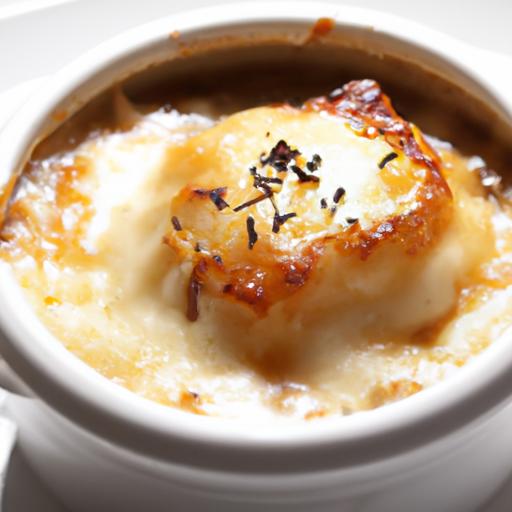
- Toast and cheese: Place a toasted baguette slice atop each bowl filled with soup. Generously sprinkle with Gruyère cheese, covering the bread wholly.
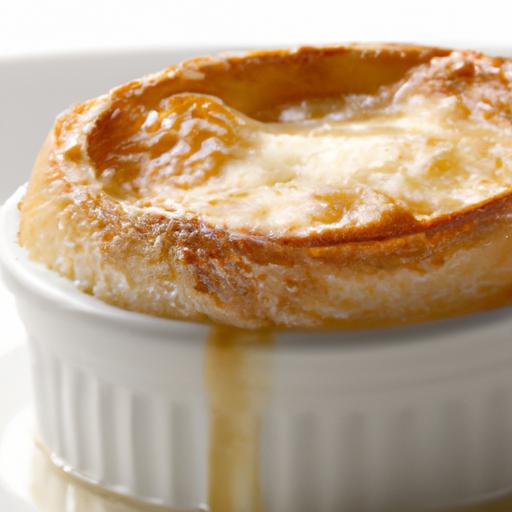
- Broil to perfection: Set the bowls on a baking sheet and broil for 3-5 minutes, until the cheese is bubbly and golden brown. Watch carefully to avoid burning.
- Serve immediately: Let cool for a minute, then indulge in your perfectly balanced, layered soup experience.
Choosing the Perfect Bowl to Enhance Flavor and Presentation
material choice is vital for a soul-warming soup like this.Ceramic bowls are classics for their heat retention and rustic charm, keeping your broth deliciously hot from first bite to last. Meanwhile, tempered glass bowls add a contemporary elegance, showcasing the soup’s rich amber colour, caramelized onions, and melted cheese. For an authentic Parisian vibe, vintage-style crockery with thick rims not only insulates but invites a comforting, tactile experience.
When selecting your bowl, opt for sizes roughly 8-10 ounces. This volume balances the luscious broth and thick cheese topping without overwhelming the diner. Wide-mouthed bowls encourage the cheese to brown beautifully and allow aromatic steam to escape, enhancing the sensory journey.
Care and Maintenance Tips to Preserve Your Soup Bowls’ Beauty
To keep your French onion soup bowls pristine, wash ceramic and glass carefully by hand with gentle dish soap and avoid thermal shock by not plunging hot bowls into cold water. For bowls used under a broiler, ensure they are explicitly rated for high heat to prevent cracking. Regularly inspect for chips or cracks that could harbor bacteria. If you love trail-to-table cooking,remember that rustic bowls gain personality with age,but handle with care to preserve their charm.
Chef’s Notes
- For a vegetarian option, substitute beef broth with a rich homemade vegetable stock and add a dash of soy sauce for umami.
- Gruyère’s nutty character is ideal, but Emmental or a sharp Swiss can sub in seamlessly.
- Make caramelized onions ahead and refrigerate to shorten last-minute prep.
- If your cheese isn’t melting evenly under the broiler, cover loosely with foil for the first few minutes, then uncover to brown.
Serving Suggestions
Present your bowl on a rustic wooden board with a sprig of fresh thyme beside it for fragrant garnish. Pair with a crisp green salad dressed simply in lemon vinaigrette and a chilled glass of dry white wine to cut through the richness. A crusty baguette on the side invites perfect dunking and rounds out this epicurean moment.

| Nutrient | Per Serving |
|---|---|
| Calories | 360 kcal |
| Protein | 20 g |
| Carbohydrates | 40 g |
| Fat | 15 g |
Unlock the full potential of this classic dish by exploring our Ultimate Guide to Soups for more culinary inspiration. For scientific insight on ceramic heat retention, visit The American Ceramic Society.
Q&A
Q&A: Savor Every Sip - The Art of French Onion Soup Bowls
Q1: Why is the right bowl essential for enjoying French onion soup?
A1: French onion soup isn’t just a meal-it’s an experience. The correct bowl elevates this harmony of caramelized onions, rich broth, and melted cheese by preserving heat, enhancing aroma, and enabling that irresistible cheese crust to form just right. The bowl essentially becomes part of the recipe, ensuring every spoonful is a warm, comforting embrace.Q2: What characteristics define an ideal French onion soup bowl?
A2: Traditionally, the perfect bowl is deep, oven-safe, and has thick walls. Depth is crucial to hold the broth without spilling, while thick ceramic or stoneware ensures slow, even heat retention-keeping the soup hot from first sip to last. A wide mouth provides space for that glorious layer of bubbling Gruyère or Comté cheese to brown to perfection under the broiler, turning the bowl into a tiny culinary cauldron.
Q3: Can any bowl be used if I don’t own a traditional French onion soup bowl?
A3: While any deep, oven-proof bowl can suffice in a pinch, traditional french onion soup bowls-or crocks-are designed with purpose. Their handles make it easy to transfer from oven to table safely, and their shape optimizes the balance between broth and toppings. If you’re improvising, choose a sturdy, oven-safe ramekin with a wide rim, but the sensory joy may be lessened without the classic design.
Q4: How does the bowl affect the presentation and dining ritual?
A4: Presentation is poetry in a bowl. The rustic elegance of a glazed ceramic crock beckons with a golden,bubbling cheese crown,steam dancing playfully. The bowl transforms dining into a ritual-lifting it to savor the aroma, breaking through the crispy cheese with a spoon, and all the while cradling its warmth, enhancing that cozy, savoir-faire feeling that’s unmistakably French.
Q5: Are there any cultural or ancient significances tied to these bowls?
A5: French onion soup bowls carry more than just soup-they carry tradition. Originating from French bistro culture, these crocks reflect rustic simplicity combined with thoughtful design.They embody centuries of culinary refinement, where form follows function to celebrate humble ingredients elevated by technique. Using one honors both history and art of French cooking.
Q6: How can I care for and maintain my French onion soup bowls?
A6: To keep your soup bowls in prime condition, avoid sudden temperature shocks-no freezing immediately after use or vice versa. Hand washing with mild detergent preserves glaze and prevents cracks. Occasionally, a touch of mineral oil can rejuvenate unglazed portions.Proper care ensures your bowls retain their charm and function, ready to cradle many more savory sips.
Embrace the art of French onion soup bowls, and transform each serving into a sensory celebration where every sip, every spoonful, and every crackle of cheese tells a story of warmth, craftsmanship, and delicious tradition.
Concluding Remarks
As the last golden crouton sinks beneath a bubbling,savory sea of caramelized onions and melted gruyère,the humble French onion soup bowl reveals its true artistry-not just in form,but in function. These iconic vessels cradle more than just a comforting meal; they hold centuries of tradition, craftsmanship, and a sensory experience unique to every sip. Whether glazed earthenware or rustic ceramic, each bowl invites you to slow down, savor the moment, and appreciate the delicate balance between heat, flavor, and design. So next time you find yourself wrapped in the warm embrace of French onion soup, remember: the bowl beneath it is more than a container-it’s a timeless companion in the ritual of savoring every sip.