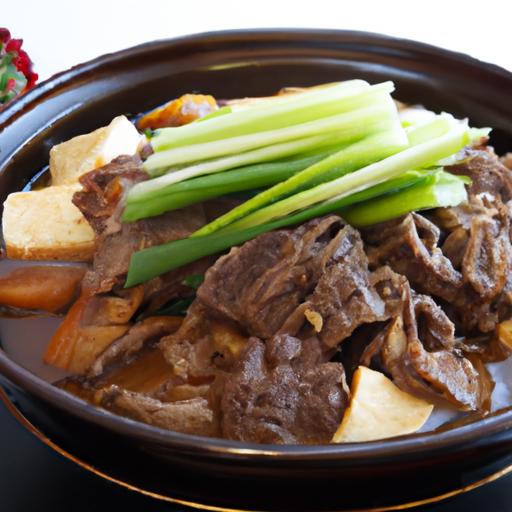

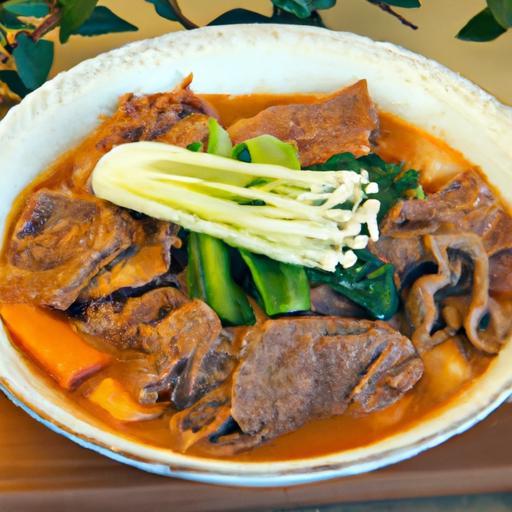
In the heart of Korean cuisine lies a dish that warms both body and soul-a harmonious blend of rich broth, tender beef, and vibrant spices that tell stories of tradition and comfort. “Savor the Soul: Exploring the Rich Flavors of Korean Beef stew” invites you on a culinary journey into the depths of this beloved stew, where each simmering pot reveals layers of umami, history, and culture. more than just a meal, Korean beef stew is a party of heritage, crafted with care and bursting with flavors that captivate the senses. join us as we uncover the secrets behind its enduring appeal and discover why this hearty dish remains a cherished staple on tables around the world.
Savor the Soul of traditional Korean beef stew, a dish that channels the essence of Korean comfort food through its vibrant layers of flavor and tender, melt-in-your-mouth beef. Rooted in time-honored recipes handed down through generations,this stew captures a harmony of earthy,savory,and subtly sweet notes that bring warmth on any chilly evening. My first encounter with this stew was at a family gathering where the broth’s rich aroma and perfectly braised beef stole the show-an unforgettable taste of Korean heritage that invites you to slow down and savor each bite.
Prep and Cook Time
- Planning: 25 minutes
- Cooking: 2 hours 30 minutes (including simmering)
- Total: 2 hours 55 minutes
Yield
Serves 6 hearty portions
Difficulty Level
Medium – Ideal for home cooks with some experiance looking to explore bold Korean flavors
Ingredients to Define Authentic Flavors
- 2 lbs (900g) beef brisket or chuck roast, cut into 2-inch cubes
- 1 medium yellow onion, halved
- 5 cloves garlic, minced
- 1 tablespoon ginger, freshly grated
- 4 cups beef broth, preferably homemade or low-sodium
- 2 tablespoons Korean soy sauce (Ganjang)
- 1 tablespoon doenjang (fermented soybean paste)
- 1 tablespoon gochujang (korean chili paste)
- 2 tablespoons brown sugar
- 1 medium carrot, cut into thick rounds
- 1 medium Korean radish (mu), peeled and cut into chunks
- 3 green onions, chopped, plus extra for garnish
- 2 tablespoons toasted sesame oil
- 1 teaspoon freshly ground black pepper
- 1 tablespoon cooking oil (canola or vegetable)
Instructions
- Prepare the beef: Pat the beef dry with paper towels to ensure proper browning. Heat cooking oil in a large heavy-bottom pot or Dutch oven over medium-high heat. Sear the beef cubes in batches until all sides develop a rich,golden-brown crust,about 4-5 minutes per batch. Remove and set aside.
- Sauté aromatics: In the same pot,add the halved onion,minced garlic,and grated ginger. Cook until fragrant and softened, about 3-4 minutes, deglazing with a splash of beef broth to loosen browned bits, which add deep flavor.
- Build the broth: Return the beef to the pot. Stir in Korean soy sauce, doenjang, gochujang, and brown sugar. Pour in the beef broth, ensuring the meat is submerged. Bring to a gentle boil,then lower to a simmer and cover.
- Simmer for tenderness: let the stew cook on low heat for 2 hours. This slow simmer softens the beef fibers, releasing gelatin for unctuous texture, while the flavors intensify harmoniously.
- Add vegetables: After 2 hours, add carrot and Korean radish chunks. Continue simmering, uncovered, for an additional 30 minutes until vegetables are tender but not mushy.
- Finish and season: Stir in chopped green onions and toasted sesame oil. Adjust seasoning with extra soy sauce or pepper,if desired.
- Rest before serving: Remove the stew from heat and let it rest 10 minutes – this allows flavors to meld beautifully. Serve hot,garnished with fresh scallions and optional toasted sesame seeds.
Tips for Success: Elevate tenderness and Depth
- Choose the right cut: opt for brisket or chuck roast with marbling.Fat is the flavor carrier and tenderizer during slow cooking.
- Brown well: Properly searing the beef locks in juices and creates complex flavor through Maillard reaction. Don’t rush this step.
- Patience is key: Slow, gentle simmering yields the fork-tender texture and broth clarity that define authentic Korean beef stew.
- Flavor layers: Balancing doenjang and gochujang gives depth, umami, and a gentle spicy hint-a hallmark of Korean cuisine.
- customize heat: Adjust gochujang amount to taste – it’s mildly spicy so even beginners can enjoy.
- Make ahead: Stew flavors often improve after resting overnight in the fridge. Reheat gently before serving.
Perfect Pairings to Elevate Your Korean Beef Stew Experience
To truly savor the soul of this stew, serve it alongside steaming bowls of fluffy short-grain white rice which soaks up the luscious broth gorgeously. Kimchi, the quintessential Korean fermented side, adds crisp acidity and piquant contrast. For a more indulgent occasion, pair the stew with spicy Korean chili sauce for an extra kick. Garnish with toasted sesame seeds and freshly sliced scallions to add texture and shining colour-perfect for Instagram-worthy presentation.

| Nutrient | per Serving (approx.) |
|---|---|
| Calories | 350 kcal |
| Protein | 32 g |
| Carbohydrates | 12 g |
| Fat | 18 g |
Q&A
Q&A: Savor the Soul – Exploring the Rich Flavors of Korean Beef Stew
Q1: What makes Korean beef stew uniquely flavorful compared to other stews?
A1: Korean beef stew, or “Galbijjim,” is a symphony of rich, deep flavors built from a harmonious blend of soy sauce, garlic, ginger, and naturally sweet ingredients like Korean pears and honey. Unlike Western stews that frequently enough rely on heavy stocks or cream, this stew balances savory, sweet, and umami notes with subtle hints of spice from gochugaru (Korean chili flakes), all simmered slowly to tender perfection. The result is a soulful dish that warms both heart and palate.
Q2: What cuts of beef are traditionally used in Korean beef stew?
A2: Traditionally, Korean beef stew highlights short ribs (galbi), prized for their marbled richness and tenderness after slow cooking.The bones impart a robust beefy flavor, while the meat becomes melt-in-your-mouth soft through hours of gentle simmering. Some variations may use brisket or chuck, but nothing quite matches the luxurious texture that short ribs provide.
Q3: How significant is the braising process in developing the stew’s depth of flavor?
A3: Braising is the soul of Korean beef stew. The slow, low-temperature cooking allows every ingredient to unfold fully. The short ribs release collagen and flavor into the broth, while the marinade’s sugars caramelize subtly, creating layers of taste that simple boiling can’t achieve. Patience is key; an impatient cook risks a tougher steak and a less vivid broth, but given time, the stew becomes a liquid tapestry of complex yet comforting flavors.
Q4: Are there regional variations of korean beef stew?
A4: Absolutely! While galbijjim is beloved nationwide, regions impart their own touches.In the southern provinces, you might find seafood additions or a spicier kick, reflecting local palates. northern areas may prefer a clearer broth with minimal sweetness. Some families even incorporate unique vegetables like ginkgo nuts or chestnuts, adding texture and tradition.These regional nuances enrich the stew’s story and flavor profile.
Q5: what side dishes best complement korean beef stew?
A5: A steaming bowl of galbijjim pairs beautifully with simple steamed rice, absorbing every drop of the luscious sauce. Traditional banchan (side dishes) such as kimchi provide a tangy, crunchy contrast, balancing the stew’s richness. Pickled radishes, sautéed spinach, or lightly seasoned mung bean sprouts offer freshness and texture. Together, they create a well-rounded meal that showcases Korean culinary harmony.
Q6: how can home cooks recreate authentic Korean beef stew flavors?
A6: Start by sourcing quality short ribs and crafting a marinade that balances salty soy, sweet pear juice, pungent garlic, and aromatic ginger. Slow braising is essential-don’t rush the stew. Incorporate traditional ingredients like dried shiitake mushrooms for earthiness and hint of spice via gochugaru if you enjoy a mild heat. Lastly, taste and adjust seasoning throughout cooking, inviting a dance of flavors that feel both familiar yet exotically Korean.
Q7: Why is Korean beef stew considered a “soul food”?
A7: Korean beef stew embodies more than nourishment-it’s comfort in a bowl. Passed down through generations,it evokes family gatherings,celebrations,and moments of care. Each tender bite tells a story of patience, tradition, and warmth. The stew’s rich, layered flavors invite slow savoring, connecting eaters not just to the ingredients, but to a cultural heritage that honors food as an expression of love.
in Conclusion
As the final spoonful of Korean beef stew warms your palate, you’re reminded that this dish is more than just a meal-it’s a comforting embrace of history, culture, and culinary artistry. From the tender morsels of slow-cooked beef to the harmonious blend of spices and vegetables, every element tells a story steeped in tradition and passion.Whether you’re savoring it at a bustling Korean eatery or crafting your own pot at home, this stew invites you to experience the rich, soulful flavors that have captivated generations. So next time you crave a dish that nourishes both body and spirit,let Korean beef stew be your flavorful gateway to a deeper gratitude of Korea’s vibrant food heritage.