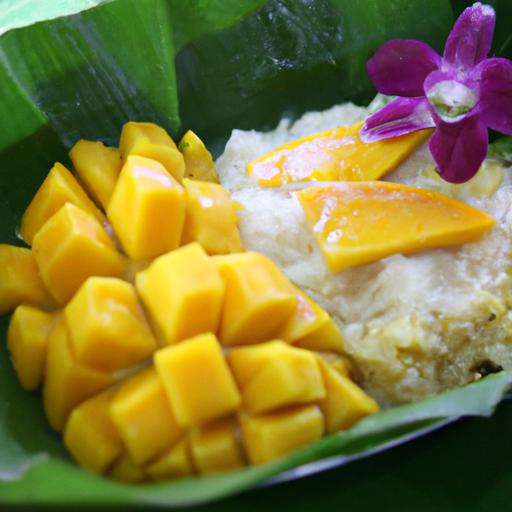

There’s something undeniably magical about the perfect pairing of flavors and textures that dance together in harmony-sweet, sticky, and fragrant all at once. Enter classic Mango Pulut Rice, a beloved Southeast Asian dessert that captures the essence of tropical bliss in every bite. Combining luscious, ripe mangoes with creamy, coconut-infused glutinous rice, this dish is more than just a treat; it’s a festivity of tradition, culture, and the simple joy found in sweet harmony. In this article, we’ll explore the art of crafting this timeless delicacy, guiding you step-by-step to create your own slice of mango-scented paradise right in your kitchen.
Sweet Harmony begins with selecting the right mango variety-this is the soul of the dish, where authentic flavor bursts forth in every bite. To truly capture the luscious sweetness and vibrant aroma, choose mangos that balance creamy softness with natural tang. The beloved Nam Dok Mai from Thailand or the Ataulfo mango, often called “Honey Mango,” are ideal choices. Their golden flesh offers the perfect silky texture and remarkable sweetness that complements the sticky pulut rice flawlessly.
Choosing the Perfect Mango Variety for Authentic Flavor
When curating the ideal mango for this classic Southeast Asian dessert, think beyond appearance. The texture should be tender yet firm enough to hold shape when sliced. Nam Dok Mai stands out with its floral fragrance and minimal fibrousness, enhancing mouthfeel without overpowering. The ataulfo mango, smaller with buttery flesh, provides an exquisitely smooth bite. Avoid overly fibrous types like Tommy Atkins,as they can disrupt the elegant softness paired alongside the rice.
Mastering the Art of Sticky Pulut Rice Texture
Sticky or glutinous rice, known locally as pulut, is the heart of this dessert’s appeal. Achieving the ideal texture requires both technique and patience. Rinse the rice thoroughly under cold water until it runs clear to remove excess starch-this prevents it from turning gummy or overly sticky. Soak for at least 4-6 hours, or overnight for best results; hydration allows the grains to cook evenly, producing a luscious, chewy tenderness.
Steaming rather of boiling preserves the rice’s integrity. using a bamboo basket or a perforated steamer tray encourages gentle, even heat distribution, preventing the grains from clumping or becoming mushy. When cooked perfectly, the sticky pulut rice should be soft yet retain a slight chewiness, giving a delightful texture contrast to the smooth mango.
Crafting the Coconut Sauce that Complements Sweetness
The coconut sauce is the indulgent finish-creamy, subtly sweet with a hint of saltiness that elevates the mango and rice harmony. Use fresh, full-fat coconut milk for the richest flavor. Simmer gently with palm sugar (or dark brown sugar as an alternative) and a pinch of salt to balance the sweetness.
Constant patience is key; avoid boiling vigorously to prevent the sauce from separating or becoming grainy. The sauce thickens slightly as it cools,coating the sticky rice like a warm,velvety hug. A dash of pandan leaf infused during simmering can add an authentically aromatic layer to the sauce, tempting the senses even before the first bite.
presentation Tips to Elevate Your Mango Pulut Rice Experience
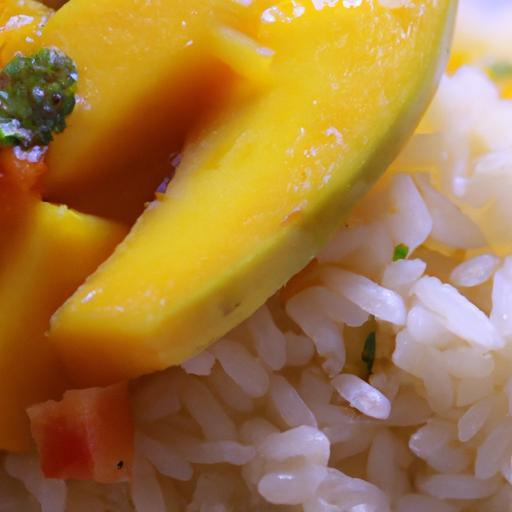
Presentation transforms this dessert into a feast for both eyes and palate. Serve the sticky rice molded into graceful mounds or cylindrical shapes using a small bowl or mold lined with banana leaf for rustic charm. Arrange ripe mango slices in a vibrant fan or geometric pattern beside or atop the rice.
Drizzle the glossy coconut sauce generously, allowing it to cascade and pool.Garnish with *toasted sesame seeds* or *crispy mung beans* for crunchy contrast and pop of texture. Fresh mint leaves or edible flowers add striking color, enhancing the visual appeal and sophistication of your dish.
For an Instagram-worthy touch, plate on a smooth white or bamboo tray to emphasize natural hues-from sweet golden mango to pearly white rice and pale cream coconut sauce. your effort in these detailed touches will invite guests or family to savor each element thoughtfully, creating an unforgettable sensory experience.
Prep and Cook Time
- preparation: 15 minutes (plus 4-8 hours soaking time)
- Cooking: 30-40 minutes
Yield
Serves 4 generous portions
Difficulty Level
Medium – requires some planning and attention but rewarding in result
Ingredients
- 1 cup glutinous (sticky) rice, rinsed and soaked
- 2 ripe Nam Dok Mai or Ataulfo mangos, peeled and sliced
- 1 cup full-fat coconut milk
- ⅓ cup palm sugar or dark brown sugar
- ¼ tsp fine sea salt
- 1 pandan leaf (optional)
- Toasted sesame seeds or crispy mung beans, for garnish
- Fresh mint leaves or edible flowers, for garnish
instructions
- Prepare the sticky rice: Rinse the glutinous rice under cold water until the water runs clear. Soak in fresh water for at least 4 hours or overnight to allow the grains to soften.
- Steam the rice: Drain the rice and spread evenly in a lightly greased steaming basket. Steam over simmering water for about 25-30 minutes, stirring gently every 10 minutes to avoid clumping.
- Make the coconut sauce: In a small saucepan, combine coconut milk, palm sugar, salt, and pandan leaf.Heat gently, stirring until sugar dissolves. Simmer on very low heat for 10 minutes, careful not to boil vigorously. remove pandan leaf and keep warm.
- Combine and rest: Instantly transfer the cooked sticky rice to a large bowl. Pour half of the warm coconut sauce over the rice, gently folding to evenly coat. Cover and let it rest 15 minutes for flavors to meld.
- To serve: Mold the sticky rice using a small bowl or mold onto serving plates. Fan the ripe mango slices beside or over the rice.
- Finish: Drizzle remaining coconut sauce generously over the mango and rice. Sprinkle with toasted sesame seeds or crispy mung beans and garnish with fresh mint or edible flowers.
Tips for Success
- Soaking is essential-don’t skip or shorten soaking time, or rice texture will suffer.
- use a heat-resistant basket or cloth liner to prevent rice grains from falling through steam holes.
- If you can’t find palm sugar, substitute with light brown sugar but expect a slight variation in flavor depth.
- Make coconut sauce ahead and reheat gently-avoid vigorous boiling to retain smoothness.
- For vegan-friendly options,confirm your sugar source is plant-based and use organic coconut milk.
- Leftover sticky rice stores well in the fridge and can be lightly steamed or microwaved before serving.
Serving Suggestions
Present your mango pulut rice alongside a refreshing iced jasmine tea or a chilled coconut water for a perfectly balanced tropical experience. Layer textures visually by using wooden or banana leaf platters, drawing the eye to the dish’s radiant colors and textures.Adding a subtle sprinkle of toasted coconut flakes adds an extra coconutty crunch, reinforcing the dish’s island-inspired tale.
| Nutritional Info (per serving) | Calories | Protein | Carbs | Fat |
|---|---|---|---|---|
| Sticky pulut Rice with Mango | 350 kcal | 4 g | 60 g | 7 g |

For those curious to explore further, discover more Southeast Asian dessert classics here or read about the cultural heritage of sticky rice at Britannica.
Q&A
Q&A: Sweet Harmony – How to Make Classic Mango Pulut Rice
Q1: What is Mango Pulut Rice,and why is it so beloved?
A1: Mango Pulut Rice,also known as mango sticky rice,is a luscious dessert originating from Southeast Asia,notably Thailand and Malaysia. It’s a perfect symphony of textures and flavors: sweet, creamy coconut-infused sticky rice paired with ripe, juicy mango slices. This harmonious duo offers a delightful contrast of sticky and tender, sweet and slightly salty-capturing the essence of tropical indulgence.
Q2: What type of rice should I use for authentic Mango pulut Rice?
A2: The heart of this dish lies in glutinous (sticky) rice, often labeled as “sweet rice” or ”sticky rice.” This short-grain rice has a unique starch composition that becomes sticky and chewy when cooked, creating that signature texture you crave. Using regular jasmine or basmati rice won’t deliver the same delightful stickiness!
Q3: How do you prepare the sticky rice to achieve that perfect texture?
A3: Preparation involves soaking the glutinous rice overnight to soften the grains, then steaming it rather than boiling. This preserves each grain’s chewy integrity without becoming mushy. Once steamed, the rice is gently mixed with warm, creamy coconut milk infused with a pinch of salt and sugar-transforming it into a rich, silky delight ready to embrace the mango.
Q4: What makes the coconut sauce special in this recipe?
A4: The coconut sauce is the luxurious “glue” that melds all the flavors together. Unlike plain coconut milk, it’s simmered with sugar and a pinch of salt, balancing sweetness with subtle savory notes. Some recipes add a hint of pandan leaf or vanilla for aromatic depth. This sauce is poured over the sticky rice or drizzled alongside, enriching every bite with creamy goodness.
Q5: Which mangoes work best for Mango Pulut Rice?
A5: Opt for ripe, fragrant mangoes with vibrant golden flesh-varieties like Ataulfo, Keitt, or Nam Dok Mai are favorites. Their buttery texture and natural sweetness complement the coconut rice splendidly. Avoid underripe or overly fibrous mangoes, as they can disrupt the smooth, harmonious texture of the dessert.
Q6: Can Mango Pulut Rice be made vegan or dairy-free?
A6: Absolutely! Traditional Mango Pulut Rice is naturally vegan-friendly since it uses coconut milk instead of dairy cream. Just ensure the coconut milk is full-fat and fresh for that rich mouthfeel.This dessert is a tropical treat accessible to many dietary preferences without losing its indulgent charm.
Q7: Are there any creative twists to this classic dessert?
A7: Certainly! While traditionalists cherish the simple elegance of mango and sticky rice, you can jazz it up with toasted sesame seeds, crispy mung beans, or a sprinkle of shredded coconut for textural contrast. Some chefs even add a drizzle of palm sugar caramel or a splash of lime zest for zingy brightness-offering new layers to this timeless classic.
Q8: what’s the best way to serve Mango Pulut Rice?
A8: Serve it slightly warm or at room temperature to highlight the creamy texture of the coconut-infused rice. Arrange mango slices artfully beside or atop the sticky rice, then drizzle with coconut sauce. It’s perfect for a refreshing summer dessert or a sweet finale to any meal,inviting everyone to savor a bite of tropical harmony.
With this guide, you’re all set to create your own sweet harmony in the kitchen-classic Mango Pulut Rice that’s as comforting as a tropical breeze and as delightful as a sunset’s golden glow.Ready to dive in? Your taste buds await!
To Wrap It Up
As the last grains of sticky rice melt away and the lingering sweetness of ripe mango dances on your tongue, you’ll understand why Mango Pulut Rice remains a beloved classic across generations. This harmonious fusion of creamy coconut-infused rice and luscious mango isn’t just a dessert-it’s a celebration of culture, tradition, and the simple joy of savoring something truly timeless. Whether you’re crafting it for a festive gathering or a quiet moment of indulgence, mastering this recipe brings a taste of tropical paradise to your kitchen. So go ahead, stir in the coconut, slice that golden mango, and let Sweet Harmony fill your senses with every delightful bite.