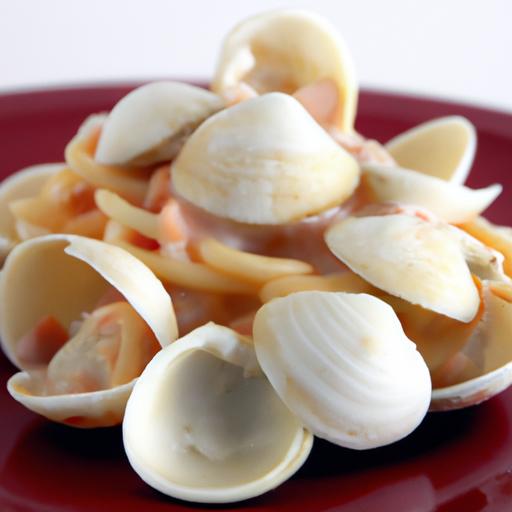

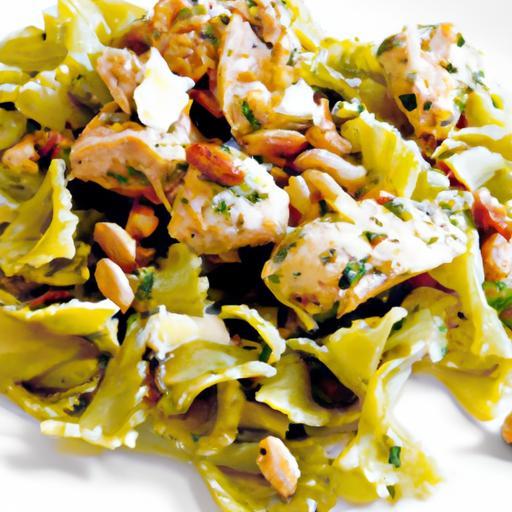
Beneath the golden, bubbling crust of shells and cheese lies a culinary marvel that has delighted taste buds for generations. More then just comfort food, this beloved dish is a harmonious blend of science and artistry, where chemistry meets craft in every creamy, cheesy bite. From the precise melting point of cheddar to the perfect al dente bite of elbow macaroni, the savory science behind shells and cheese reveals why this classic comfort food consistently captivates hearts and palates alike. Join us as we unravel the flavorful chemistry and culinary techniques that transform simple ingredients into a luscious, gooey delight.
The Savory Science Behind Shells and Cheese Delight
Mastering the savory science behind shells and cheese delight transforms a simple meal into a textural symphony. Imagine tender,perfectly cooked pasta shells nestled in an irresistibly creamy cheese sauce,each bite a harmony of richness and crunch. This recipe is inspired by family gatherings where the comforting aroma of melted cheese mingled with herbs always sparked joy. Unlocking the chemistry behind cheese melting and balancing every element elevates this timeless dish to culinary perfection.
prep and Cook Time
Prep Time: 20 minutes | Cook Time: 35 minutes | Total Time: 55 minutes
Yield
Serves 6 hearty portions
Difficulty Level
Medium
Ingredients
- 1 lb jumbo pasta shells, uncooked
- 3 cups whole milk, warmed
- 3 tablespoons unsalted butter
- 3 tablespoons all-purpose flour
- 1 ½ cups sharp white cheddar cheese, shredded
- 1 cup Gruyère cheese, shredded
- ½ cup Parmesan cheese, grated
- 1 teaspoon Dijon mustard
- 1 teaspoon smoked paprika
- 1 teaspoon garlic powder
- Salt and freshly ground black pepper, to taste
- 2 tablespoons panko breadcrumbs
- 2 tablespoons fresh chives, finely chopped
- 1 tablespoon olive oil
- Optional: ½ cup cooked crispy pancetta or sautéed mushrooms
Instructions
- Preheat your oven to 375°F (190°C) and lightly grease a large casserole dish.
- Cook the jumbo pasta shells in salted boiling water according to package instructions, until al dente. Drain and rinse with cold water to halt cooking.
- In a medium saucepan, melt the butter over medium heat. Once bubbly, whisk in the flour and cook the roux for 2 minutes, stirring constantly to avoid browning.
- Slowly pour in the warmed milk, whisking continuously to prevent lumps. Simmer gently until the sauce thickens enough to coat the back of a spoon,about 5-7 minutes.
- Remove from heat and stir in the Dijon mustard, smoked paprika, garlic powder, salt, and pepper. Gradually add the cheddar, Gruyère, and half the Parmesan, stirring until velvety and smooth.
- For an elevated flavor profile, fold in optional crispy pancetta or sautéed mushrooms now.
- Gently stuff each cooked shell with the cheese sauce mixture, reserving some sauce for topping. Arrange filled shells snugly in your casserole dish.
- pour remaining cheese sauce over the shells to seal in rich creaminess.
- In a small bowl,toss panko breadcrumbs with olive oil and remaining parmesan cheese. sprinkle evenly over the top for a golden, crispy crust.
- Bake uncovered for 20-25 minutes or until the topping turns a mouthwatering golden brown and the cheese sauce bubbles delightfully.
- Remove from oven and let rest for 5 minutes before serving.Garnish with freshly chopped chives for a pop of color and brightness.
Tips for Success
- The focus keyword is all about understanding the delicate balance that transforms textures-choose pasta shells that are thick and sturdy to hold ample cheese sauce, ensuring no sogginess.
- Use a blend of melting cheeses like cheddar and Gruyère. Gruyère’s smooth melt and nutty flavor paired with sharp cheddar create that irresistible creaminess.
- Warm the milk</ before adding it to the roux to avoid curdling and ensure a perfectly silky sauce.
- Don’t rush cooking the roux; it needs a couple of minutes to develop flavor without browning excessively.
- ToPrep ahead: assemble the dish up to step 8, cover tightly, and refrigerate overnight. Bake just before serving for convenience without sacrificing texture.
- For vegan or dairy-free adaptations, substitute butter with plant-based margarine and use cashew cream with vegan cheeses for an equally delightful melt.
Serving Suggestions
Serve this ultimate shells and cheese delight alongside a bright arugula salad dressed with lemon vinaigrette to cut through the richness. A handful of toasted pine nuts sprinkled on top adds another layer of crunch. For an indulgent twist, pair with a glass of crisp chardonnay or an aromatic herbal iced tea. Garnish with fresh herbs such as thyme or chives, and a light dusting of smoked paprika to boost visual appeal and flavor depth.

Understanding The Savory Science Behind Shells and Cheese Delight
Achieving the ideal texture relies on selecting shells with subtle ridges and a thick lip, allowing the cheese sauce to cling beautifully. The key is in the chemistry of cheese melting: cheddar lends sharpness and body, Gruyère offers smooth meltiness, while Parmesan adds a salty, umami punch. The combination ensures the sauce is creamy without becoming greasy or stringy.
Balancing seasonings like smoked paprika and Dijon mustard cuts through richness, enhancing the cheese’s complex flavors. Adding crunchy panko mixed with Parmesan assures that coveted crispiness atop a molten sea of cheese. Keep your oven vigilant-the golden topping is a sure sign perfection has been reached.
| Nutrient | Per Serving |
|---|---|
| Calories | 450 kcal |
| Protein | 22g |
| Carbohydrates | 35g |
| Fat | 24g |
For further inspiration on pasta dishes and cheese techniques,explore our Ultimate Cheese Sauce Guide. To delve deeper into the science of cheese melting, visit Exploratorium’s Cheese Melting Insights.
Q&A
Q&A: The savory Science Behind shells and Cheese Delight
Q1: What makes shells and cheese such a comforting dish?
A: At its core, shells and cheese is the epitome of comfort food because it combines creamy, cheesy indulgence with the familiar, slightly chewy texture of pasta shells. The shells are perfect little vessels, cradling molten cheese that coats each bite, creating a warm and nostalgic experience. There’s something deeply satisfying about the harmony of textures and flavors-creamy, salty, and subtly nutty-working together to delight your palate.
Q2: Why are pasta shells ideal for mac and cheese?
A: Pasta shells, or “conchigliette,” are shaped with natural curves and ridges that effectively trap cheese sauce. Their hollow centers collect gooey cheese, while their ridges catch crispy baked bits when the dish is broiled. This geometry creates a balance of textures and mouthfeel-each bite delivers a burst of rich cheese surrounded by tender, firm pasta, enhancing the overall eating experience.
Q3: How does the choice of cheese impact the flavor and texture?
A: Cheese selection is the flavor mastermind behind shells and cheese. Sharp cheddars bring bold tanginess, while creamy cheeses like Gruyère or fontina add smoothness and complexity. Certain cheeses melt better due to their moisture and fat content, producing a silkier sauce. The right blend ensures the sauce clings lovingly to each shell and avoids separation or greasiness.
Q4: What scientific principles explain the perfect cheesiness?
A: Cheese sauces tap into the science of emulsification and gelatinization. When making shells and cheese, starch from the pasta or added roux binds water and fat with melted cheese proteins, creating a stable, creamy sauce. Heating causes cheese proteins to unfold and blend with fats-too hot, and they separate; too cool, and they harden.The magic is in maintaining a temperature where cheese melds smoothly without breaking.
Q5: Does baking shells and cheese change its flavor and texture?
A: Absolutely. Baking adds a Maillard reaction-a chemical process between amino acids and sugars-giving the top layer a golden, crispy crust with complex, roasted flavors. Meanwhile, the creamy interior remains luscious. The contrast between crunchy topping and gooey insides makes baked shells and cheese a multidimensional delight.
Q6: Can different pasta shapes alter the eating experience?
A: Yes! While shells are excellent cheese holders, other shapes like cavatappi or elbow macaroni each offer unique texture and sauce adherence. Cavatappi’s spirals trap sauce differently,creating a slightly more textured bite. Larger shells can be stuffed and baked,turning simple mac and cheese into a gourmet appetizer.Pasta shape influences how sauce is distributed, impacting every mouthful.
Q7: How does the addition of milk or cream influence the sauce?
A: Milk or cream provides the liquidity and fat needed to dissolve cheese and create a smooth sauce. Cream increases richness and silkiness but can make the sauce heavier. Milk produces a lighter texture but might yield a thinner sauce. The fat content balances flavor and mouthfeel, contributing to the luscious, velvety characteristic beloved in shells and cheese.
Q8: what tips can home cooks use to perfect their shells and cheese?
A: Start with quality cheese and grate it yourself for better melting. Use a roux (a butter and flour base) to thicken the sauce evenly and prevent clumping. Cook the pasta just shy of al dente as it will bake further. Stir gently and avoid high heat to keep the sauce smooth. And don’t forget to experiment with toppings like breadcrumbs or extra cheese for an irresistible crust!
By revealing the savory science behind shells and cheese, we uncover how this simple dish transforms into a culinary comfort classic through the interplay of chemistry, texture, and craftsmanship. Every gooey, golden spoonful is a symphony of science and flavor-one that warms the heart and satisfies the soul.
In Conclusion
As we peel back the layers of the savory science behind shells and cheese delight,it becomes clear that this comfort food is much more than a simple dish-it’s a harmonious blend of chemistry,texture,and taste. From the perfectly al dente shells capturing creamy cheese sauce to the golden crust that forms through Maillard magic, every bite tells a story of culinary precision and timeless indulgence. So next time you savor a spoonful of this classic comfort, remember: you’re enjoying a flavorful symphony of science and flavor, crafted to warm both body and soul.