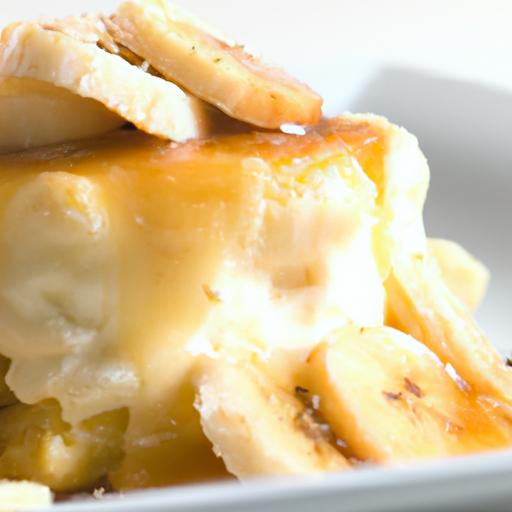

There’s something undeniably magical about banana pudding-the way velvety custard and fluffy whipped cream embrace tender layers of banana and vanilla wafers,creating a dessert that’s both nostalgic and irresistible. But behind this beloved Southern classic lies a fascinating interplay of culinary chemistry and technique. The secret to achieving that perfectly creamy texture and harmonious flavor balance isn’t just about following a recipe-it’s about understanding the sweet science that transforms simple ingredients into silky,luscious bliss. Join us as we peel back the layers of this timeless treat,exploring the delicate alchemy that makes banana pudding a creamy masterpiece every time.
The Sweet Science Behind Perfectly Creamy Banana Pudding
The sweet science behind perfectly creamy banana pudding begins with mastering each component-from the luscious custard to the carefully chosen bananas and artful layering that brings everything together in harmonious texture and taste. This classic Southern dessert is more than just a treat; it’s a celebration of contrasting textures and deep, nuanced sweetness that sings with every spoonful.
Prep and Cook time
- Preparation: 20 minutes
- Cooking: 15 minutes
- Chilling: 2 hours minimum
- Total Time: approximately 2 hours 35 minutes
Yield
serves 8 generously sized portions.
Difficulty Level
Medium – Ideal for cooks cozy with custard-making and layering techniques.
Ingredients
- 2 ½ cups whole milk, warmed
- ¾ cup granulated sugar
- ⅓ cup cornstarch, sifted
- 4 large egg yolks
- 2 tablespoons unsalted butter
- 1 ½ teaspoons pure vanilla extract
- 4 ripe but firm bananas, sliced (see notes below)
- 1 box vanilla wafer cookies (about 11 oz)
- A pinch of salt
Instructions
- Prepare the Custard: In a medium saucepan, whisk together sugar, cornstarch, and pinch of salt. Gradually whisk in the warmed milk until smooth. Place over medium heat and cook, stirring constantly, until the mixture thickens and bubbles – about 8-10 minutes. This custard base is the secret to the smooth, silky texture that defines the perfect pudding.
- Temper the Egg Yolks: In a separate bowl, lightly beat the egg yolks. Slowly ladle in about ½ cup of the hot custard to the yolks while whisking vigorously. This step prevents curdling and ensures a creamy finish.
- Combine: Return the tempered yolk mixture to the saucepan and cook for another 2-3 minutes,stirring constantly,until thickened further. Remove from heat and stir in the butter and vanilla extract to enrich the flavor and add a subtle silkiness.
- Cool Slightly: Allow the custard to cool at room temperature, stirring occasionally to prevent a skin from forming.
- Select and Slice bananas: Choose radiant yellow bananas with a few freckles – perfectly ripe but still firm to retain structure against the custard’s creaminess. Slice evenly at about ¼ inch thickness.
- Layering: In a glass dish or trifle bowl,spread a thin layer of custard,then add a layer of vanilla wafers. Next,arrange a layer of banana slices evenly to ensure every bite has balanced flavor. Repeat the layers-custard, wafers, bananas-ending with a final custard layer.
- Chill: Refrigerate the assembled pudding for at least 2 hours to let the wafers soften slightly and the flavors meld, creating that signature creamy consistency and inviting visual appeal.
Tips for Enhancing sweetness Without Overpowering Natural Banana Notes
Rather than adding extra sugar directly to the custard, incorporate a small splash of vanilla extract and a hint of butter near the end of cooking-this highlights the natural sweetness of bananas and balances the custard’s richness. Alternatively, lightly dust the top with cinnamon or a few fresh banana slices just before serving for an aromatic and visually inviting finish that doesn’t overwhelm.
Chef’s Notes
- Banana selection: Avoid overripe bananas; they become mushy and may impart a fermented flavor. Slightly firm bananas provide textural contrast.
- Custard consistency: If your custard is to thin, continue cooking gently but avoid boiling to prevent curdling. if too thick, whisk in a tablespoon of warm milk to loosen before layering.
- Make-ahead: This puddings tastes even better after overnight chilling, allowing layers to meld beautifully.
- Alternative sweeteners: For a more complex sweetness,try substituting part of the sugar with honey or maple syrup,but adjust custard cooking times accordingly.
Serving Suggestions
Serve this pudding chilled in clear glass bowls or a layered trifle glass to showcase the inviting stripes of banana and custard.Garnish with:
- Thin banana slices fanned neatly on top
- A sprinkle of crushed vanilla wafers or toasted nuts for crunch
- A light dusting of freshly grated nutmeg or cinnamon for warmth
- Fresh mint leaves for a pop of vibrant green and herbal aroma
Pair with a cold glass of milk or a light cup of black coffee to balance the dessert’s creamy sweetness.
| nutrient | Per Serving |
|---|---|
| Calories | 320 |
| Protein | 5g |
| Carbohydrates | 55g |
| Fat | 7g |
For a refreshing twist on classic desserts, try our Tropical Mango Parfait recipe that complements the creamy allure of banana pudding perfectly.

Q&A
Q&A: The Sweet Science Behind Perfectly Creamy Banana Pudding
Q1: What exactly makes banana pudding so irresistibly creamy?
A1: The creaminess of banana pudding comes down to the perfect balance of ingredients and their interactions. The magic lies in how the dairy-usually a mix of milk, cream, and sometimes condensed milk-melds with the eggs and sugar to create a luscious custard. This custard, when combined with ripe bananas and soft vanilla wafers, results in that smooth, melt-in-your-mouth texture that sets banana pudding apart.
Q2: How do the bananas contribute to the texture and flavor of the pudding?
A2: Bananas add more than just sweetness; their natural creaminess and moisture integrate with the custard to elevate the pudding’s softness.As bananas ripen, their starches convert to sugars, lending a rich, mellow flavor. But timing is key-overripe bananas can turn mushy and overpower the dessert, while underripe ones are too firm and lack sweetness. The ideal banana softens and infuses the pudding with subtle tropical notes without breaking down too much.
Q3: Why is the choice of vanilla wafers vital?
A3: Vanilla wafers aren’t just a crispy layer-they act like tiny sponges that soak up the custard while holding just enough structure to add a delicate crunch amid the creaminess. Their vanilla flavor enhances the dessert’s overall aroma and taste, complementing the bananas without competing. The wafers create the signature textural contrast that makes every spoonful more interesting.
Q4: How does the custard thicken so perfectly without curdling?
A4: Custard thickening is a delicate dance of temperature and patience. Eggs, the custard’s thickening agents, coagulate when gently heated, turning liquid into silky custard. Too much heat too fast, and they scramble; too little, and the mixture remains runny.By tempering the eggs-slowly adding hot milk while whisking-and cooking the custard over low heat with constant stirring, we ensure a smooth, thick base that’s stable yet tender.
Q5: Can the pudding be made ahead, and how does resting affect it?
A5: Absolutely! In fact, resting banana pudding in the fridge for several hours-or overnight-allows the flavors to harmonize and the textures to settle. During this time, the wafers absorb moisture and soften just enough to blend with the custard and bananas, creating that iconic creamy consistency. However, too long and the wafers can become soggy, so timing is essential for perfection.
Q6: What’s a common mistake that ruins the creaminess of banana pudding?
A6: A frequent pitfall is rushing the custard-making process or overheating the eggs, resulting in a grainy or curdled texture.Another is adding the bananas too early and stirring too vigorously, which can cause them to mush and lose their identity in the pudding. Gentle handling and mindful cooking are the secrets to maintaining that flawless creaminess.Q7: Can substitutions affect the science behind the pudding?
A7: Yes, substitutions like using yogurt instead of cream or plant-based milks can alter the pudding’s structure and mouthfeel because of differences in fat content and protein. Each ingredient plays a role in emulsification and texture. While alternative versions can still be delicious, the classic dairy-egg-sugar combo is the tried-and-true formula for embodying the “sweet science” of perfectly creamy banana pudding.
Key Takeaways
As the final spoonful melts on your tongue, it’s clear that perfectly creamy banana pudding is more than just a dessert-it’s a delicate harmony of science and art. From the precise emulsification of fats to the gentle unfolding of vanilla’s aromatic compounds, each step in the process is a carefully orchestrated dance that transforms simple ingredients into a luscious experience. So next time you savor that velvety bite, remember the sweet science working behind the scenes, turning humble bananas and custard into a timeless comfort that delights both palate and mind.