

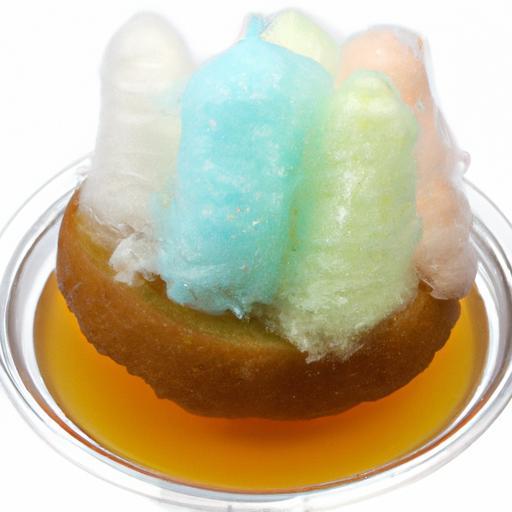
there’s something undeniably enchanting about cotton candy-the way it melts on your tongue almost as soon as it touches your lips, leaving behind a whisper of sugary delight and a fleeting cloud of sweetness. But beneath this whimsical treat’s delicate fluffiness lies a captivating blend of science and art, a masterful dance of heat, sugar, and air that transforms simple granules into a magical confection. In this article, we’ll unravel the sweet science behind cotton candy’s airy charm, exploring how chemistry, physics, and a sprinkle of ingenuity come together to create the beloved carnival favorite that feels like tasting a sugary puff of cloud.
The chemistry of sugar transformation in cotton candy is a delightful dance of science and art, where simple granules melt and spin into a cloudlike confection that captivates both the eyes and the palate.This whimsical treat-born from early 20th-century carnival innovations-owes its enchanting fluffiness to precise airflow and heat control, turning molten sugar into airy strands of sweetness that melt instantly on your tongue.
Prep and Cook Time
Preparation: 10 minutes
Cooking: 5 minutes
Total time: 15 minutes
Yield
Makes approximately 2 generous servings of cotton candy
Difficulty Level
Medium – requires careful handling and attention but rewarding with practice
Ingredients
- 1 cup granulated sugar (preferably superfine for smoother melting)
- 1/4 cup corn syrup (light corn syrup to prevent crystallization)
- 1/2 cup water (filtered to avoid impurities)
- 1/4 teaspoon cream of tartar (to stabilize sugar and enhance texture)
- Food coloring (optional, a few drops, gel or liquid)
- Flavor extracts (vanilla, raspberry, or cotton candy-specific, about 1/2 teaspoon)
instructions
- Prepare the spinning bowl: Lightly oil the inside edge of your cotton candy machine bowl to help strands collect easily. Preheat the machine for 5 minutes according to manufacturer instructions.
- Combine ingredients: In a medium saucepan, whisk together granulated sugar, corn syrup, water, and cream of tartar. Stir gently until sugar dissolves.
- Cook the sugar syrup: Attach a candy thermometer and bring mixture to a boil over medium heat without stirring. Let it reach the hard crack stage (about 320°F / 160°C). This precise temperature is critical for achieving strong, crisp strands.
- Add color and flavor: Remove from heat and quickly stir in your chosen food coloring and flavor extract. Work swiftly before the syrup starts to thicken.
- Spin the cotton candy: Pour the hot syrup into the center of the spinning head. using a large cone or paper stick, gather the delicate threads by circling the perimeter of the bowl, moving hands with gentle waves to create airy clouds of silk-like sugar.
- Shape and serve: Form the cotton candy by collecting and compressing the strands into a fluffy sphere. Serve promptly for the freshest texture and irresistible melt-in-your-mouth sensation.
Tips for Success in Cotton Candy Chemistry
- Precision matters: Achieving the right hard crack temperature ensures the perfect sugar crystallization necessary for fluffiness.
- Choose superfine sugar: Larger crystals will result in clumps rather than delicate threads.
- Keep the spinning bowl clean and lightly oiled: This prevents premature sticking and helps strands form beautifully.
- Experiment with natural flavors and colors: Consider lavender, hibiscus powder, or even matcha to elevate the sensory experience.
- Practice airflow control: The fan’s speed in your machine balances strand thickness and texture, so adjust according to your desired fluff consistency.
Serving Suggestions
Present your cotton candy atop whimsical cones or pastel-colored paper sticks for nostalgic charm.For a modern twist, nestle the candy clouds on miniature cupcake tops or cocktails for a dazzling garnish. Garnish with edible glitter or freeze-dried fruit powders to add bursts of color and flavor. serve immediately to enjoy that iconic, cloud-like softness that dissolves instantaneously.
| nutritional Element | Per Serving |
|---|---|
| Calories | 150 |
| Protein | 0g |
| Carbohydrates | 38g |
| Fat | 0g |

learn more about the science of sugar crystallization and confectionery techniques at Candy Technology Institute. Interested in other sweet delights? Check out our Sugar Art Techniques article for inspired projects!
Q&A
Q&A: The Sweet Science Behind Cotton Candy’s Fluffy Magic
Q1: What makes cotton candy so delightfully fluffy?
A1: The secret to cotton candy’s ethereal fluff lies in its transformation from solid sugar crystals into fine, airy threads. When granulated sugar is heated beyond its melting point, it liquefies. The cotton candy machine then rapidly spins this molten sugar thru tiny holes, where it cools and solidifies instantly into superfine strands. These countless thin threads weave together like a sweet, wispy cloud – giving cotton candy its signature fluffy texture.
Q2: Why does cotton candy dissolve so quickly on your tongue?
A2: Cotton candy is essentially spun sugar with an enormous surface area thanks to its thin thread-like structure. This means your saliva can engulf and dissolve countless tiny sugar strands almost immediately. The high surface area-to-volume ratio speeds up dissolution, creating that magical melt-in-your-mouth sensation that feels like eating a sugary cloud.
Q3: How did the invention of cotton candy come about?
A3: Cotton candy’s history is as whimsical as its texture. In 1897, dentist William morrison and confectioner John C.Wharton invented the first electric cotton candy machine, calling the treat “fairy floss.” Their machine melted sugar and used centrifugal force to spin it into thin threads, transforming a simple ingredient into a novel fluffy delight that became a carnival staple.
Q4: Does the type of sugar used affect cotton candy?
A4: absolutely! While most cotton candy is made from pure granulated white sugar, experimenting with sugars like beet sugar or cane sugar can subtly change the flavor and color.However, purity is key-impurities can cause uneven melting or caramelization, altering the texture and taste. That’s why a refined, consistent sugar is ideal for that perfect fluffy magic.
Q5: Can flavors or colors alter the science behind cotton candy?
A5: Adding flavors and colors is mostly about chemistry compatible with sugar’s melting and spinning properties. Water-based flavorings or colorants might cause sugar to crystallize improperly or become sticky, so many manufacturers use powdered or oil-based flavorings that blend seamlessly.The core science remains the same: sugar melts, spins, cools, and solidifies – but the sensory experience gains a creative twist with delightful hues and tastes.
Q6: Why does cotton candy sometimes shrink or clump?
A6: Cotton candy is hygroscopic, meaning it readily absorbs moisture from the air. When exposed to humidity, the delicate sugar strands can clump together or dissolve, losing that airy fluff. that’s why cotton candy is best enjoyed fresh and kept away from moisture to preserve its magical, melt-in-your-mouth texture.
Q7: How does the cotton candy machine’s speed impact the final product?
A7: The spinning speed is crucial! Too slow, and the sugar won’t be forced through the tiny holes effectively, resulting in thicker, denser strands or caramelized blobs. Too fast, and the strands can become too thin or even break. Optimal centrifugal force ensures sugar threads are consistently fine, creating that signature fluffy cloud of sweetness we all crave.
Cotton candy’s charm is a perfect blend of simple ingredients and fascinating physics – a spinning dance of melted sugar that turns science into appetizing art. Next time you watch that sugary spiral form, you’ll appreciate the remarkable chemistry behind its fluffy magic!
Final Thoughts
As the last wisps of spun sugar melt on your tongue, it’s easy to forget the intricate dance of science and art that transforms simple sugar into cotton candy’s ethereal clouds.Behind its playful fluff lies a precise symphony of heat, centrifugal force, and crystallization-a testament to human ingenuity making sweetness feel like magic. So next time you twirl that delicate pink puff around your finger, remember: you’re not just savoring a treat, but experiencing a delicious marvel crafted at the crossroads of physics and confectionery wizardry.