
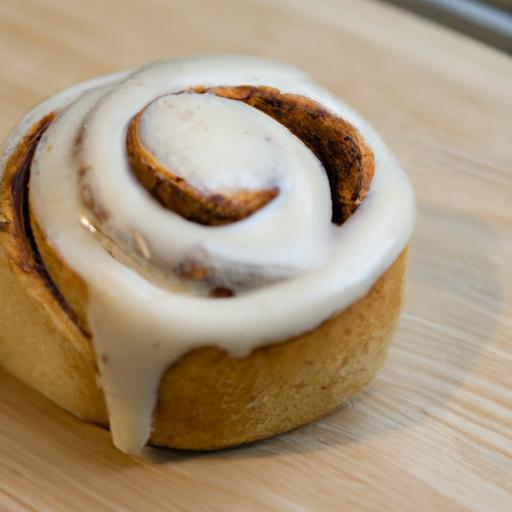
There’s an enchanting alchemy behind the allure of perfectly fluffy cinnamon rolls-a delicate dance of science and artistry that transforms simple ingredients into pillowy layers of warmth and sweetness. Beyond their irresistible aroma and comforting taste lies a engaging world where chemistry meets craft: yeast cells diligently ferment, gluten networks stretch and yield, and sugar crystals caramelize into golden ribbons. In this article, we’ll unravel the sweet science that turns ordinary dough into a tender, melt-in-your-mouth masterpiece, revealing the secrets that bakers rely on to achieve that coveted fluffiness in every bite. Prepare to discover how mastering biology, physics, and a pinch of patience can elevate your cinnamon roll game from good to gloriously cloud-like perfection.
The Sweet science Behind Perfectly Fluffy Cinnamon Rolls
The sweet science behind perfectly fluffy cinnamon rolls begins with understanding the magic of yeast and dough fermentation.This biological marvel breathes life into dough, transforming dense flour and water into irresistibly soft, pillowy rolls that practically melt in your mouth. Weather it’s the comforting aroma wafting through your kitchen or the tender crumb of a fresh batch, mastering this science unlocks a world of bakery-level results right at home.
Prep and Cook Time
- Planning: 25 minutes
- First Rise: 1 hour 15 minutes
- Rolling & Layering: 15 minutes
- Second Rise: 45 minutes
- Baking: 20-25 minutes
- Total Time: Approximately 3 hours
Yield
Yields 12 generously sized, fluffy cinnamon rolls – perfect for sharing (or not!).
difficulty Level
Medium: Requires some patience and attention, but the results are worth every step.
Ingredients
- 3 ½ cups all-purpose flour, sifted
- 2 ¼ teaspoons active dry yeast (1 packet)
- 1 cup whole milk, warmed to 110°F
- ⅓ cup granulated sugar
- ⅓ cup unsalted butter, melted + extra for greasing
- 1 teaspoon fine sea salt
- 2 large eggs, at room temperature
- 1 tablespoon ground cinnamon
- ½ cup packed light brown sugar
- 1 tablespoon vanilla extract
- Optional: ½ cup chopped pecans or walnuts
Instructions
- Activate the yeast: in a small bowl, combine the warm milk and granulated sugar. Sprinkle the yeast over the surface and let it sit for 5-7 minutes until foamy. This confirms the yeast is alive and ready to work its magic.
- Prepare the dough: In a large mixing bowl, whisk together the sifted flour and salt. Create a well in the center and pour in the yeast mixture, melted butter, eggs, and vanilla extract. Stir gently to combine the ingredients.
- Knead the dough: Turn the dough onto a lightly floured surface and knead for 8-10 minutes until smooth and elastic. if using a stand mixer, use the dough hook on medium speed for around 6 minutes. The dough should feel soft but not sticky.
- First fermentation (bulk rise): Lightly grease a large bowl with melted butter. Place the dough inside,cover it with a clean kitchen towel or plastic wrap,and let it rise in a warm,draft-free spot for 1 to 1.25 hours, or until doubled in size. This slow fermentation develops flavor and that coveted fluffiness.
- Prepare the filling: In a small bowl, mix together the brown sugar, ground cinnamon, and chopped nuts (if using). set aside.
- Roll and layer the dough: Gently punch down the dough and turn it out onto a floured surface.Roll it into a rectangle approximately 16 x 12 inches, keeping your pressure even for uniform thickness. Spread the filling evenly over the dough, then roll it tightly from the long edge, creating beautiful layers and airy swirls.
- Cut and arrange: Using a sharp knife or dental floss,cut the log into 12 equal rolls. Place each roll in a greased 9×13 inch baking dish, leaving a bit of wiggle room to allow for the second rise.
- second fermentation (proofing): Cover the tray loosely with plastic wrap and let the rolls rise for 40-45 minutes until puffy and nearly doubled again. Optimal temperature is around 75°F with moderate humidity to encourage moist, tender crumb development.
- Bake to perfection: Preheat your oven to 350°F (175°C). Bake the rolls for 20-25 minutes or until golden brown on top and cooked through. Rotate the pan halfway for even baking.The rolls should sound hollow when tapped gently.
- Cool and glaze: Allow rolls to cool for 10 minutes before adding your favorite glaze or cream cheese frosting. This rest lets the dough settle, keeping the rolls soft and luscious.
Tips for Success
- Yeast Activation: Always check yeast freshness by proofing first. Using expired yeast leads to dense rolls.
- Flour Choice: Sift your flour to incorporate air, improving rise and texture.
- Temperature Matters: A warm, but not hot, environment for fermentation (around 75°F) ensures gentle yeast activity.Avoid drafts, which can slow proofing.
- humidity Control: placing a small bowl of hot water in your proofing area can boost humidity and keep dough from forming a crust.
- Layering Technique: Roll dough evenly and spread filling close to the edges-the cinnamon swirl should be visible in every bite!
- Make-Ahead: After the second rise, cover rolls tightly with plastic wrap and refrigerate overnight. Bake directly from cold; add 5 extra minutes to baking time.
- Substitutions: Use melted coconut oil or vegan butter to make it dairy-free. Almond milk can replace whole milk for a subtle nutty flavor.
Serving Suggestions
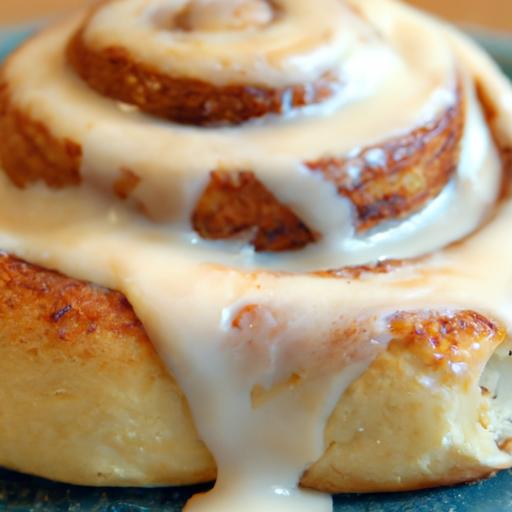
Serve these golden, fluffy cinnamon rolls warm, topped with a generous drizzle of cream cheese glaze or a simple powdered sugar icing.Garnish with a sprinkle of finely chopped pecans or a dusting of cinnamon for visual appeal and added texture. Accompany with a steaming cup of coffee or chai tea to elevate the cozy, indulgent experience. These rolls are just as delightful for breakfast as for a comforting afternoon treat.

Nutritional Details (Per Serving)
| Calories | Protein | Carbs | Fat |
|---|---|---|---|
| 320 kcal | 6 g | 45 g | 10 g |
For a deeper dive into dough science and related baking tips,visit our detailed guide on Bread Making Basics.Also,discover fermentation secrets from industry experts at King Arthur Baking Company.
Q&A
Q&A: The Sweet Science Behind Perfectly Fluffy Cinnamon Rolls
Q1: What makes cinnamon rolls so irresistibly fluffy?
A1: The fluffiness of cinnamon rolls comes down to the magic of yeast fermentation. When yeast consumes sugar, it produces carbon dioxide gas, which forms tiny air pockets in the dough. These pockets expand during baking, giving the rolls their soft, pillowy texture. Additionally, the right balance of moisture and fat in the dough helps create tenderness that melts in your mouth.
Q2: How does the type of flour affect the texture of cinnamon rolls?
A2: Flour is the backbone of any dough, and its protein content dictates gluten formation. Bread flour, higher in protein, develops a strong gluten network that traps gas and provides chewiness. For cinnamon rolls, a softer, lighter crumb is desired, so all-purpose flour is ideal-it strikes a balance by developing enough gluten for structure but not so much that the rolls become tough.
Q3: Why is kneading critically important in achieving the perfect cinnamon roll?
A3: Kneading is the artful process of developing gluten strands in the dough. By stretching and folding the dough, kneading organizes these strands into a stretchy network that traps the yeast’s carbon dioxide effectively. This structure ensures your rolls rise beautifully and hold their shape while maintaining a tender crumb.
Q4: Does the temperature of ingredients impact the dough?
A4: Absolutely! Yeast is a living ingredient and thrives in warm environments, typically between 95°F and 110°F. using too hot liquids can kill the yeast, halting fermentation, while cold ingredients slow the process, resulting in dense rolls. Room temperature eggs,warm milk,and melted butter create the perfect environment for yeast to work its fluffy magic.
Q5: What’s the secret behind that gooey cinnamon-sugar swirl?
A5: The swirl is a harmonious blend of sugar and butter, sometimes enriched with brown sugar’s molasses content for deeper sweetness and moisture. When baked, the butter melts and fuses with the sugar, creating pockets of sticky, caramelized heaven inside each roll. Even a pinch of salt in the filling can balance flavors and enhance that luscious gooeyness.
Q6: Can resting or proofing time change the final texture of cinnamon rolls?
A6: Yes! Proofing allows the yeast to ferment, creating gas bubbles and flavor compounds. Under-proofing results in dense rolls, while over-proofing can cause them to collapse. The ideal proofing time lets the dough double in size, ensuring a light, airy crumb with subtle, complex fruity notes from fermentation.
Q7: How does baking temperature influence fluffiness?
A7: Baking at the right temperature-usually around 350°F to 375°F-ensures the rolls cook through evenly while the exterior sets before the carbon dioxide escapes. If the oven’s too hot, the crust forms too quickly, trapping moisture that makes rolls soggy. Too low, and they dry out. The perfect bake locks in moist, fluffy layers wrapped in a golden, tender crust.
Q8: What role does icing or glaze play beyond adding sweetness?
A8: icing isn’t just a sugary topping-it helps retain moisture, keeping the rolls soft longer. A classic cream cheese glaze adds a tangy contrast to the sweet cinnamon, enhancing flavor complexity. Drizzled warm, it seeps into the layers, highlighting the dough’s tender texture and elevating every bite from simply flavorful to divinely indulgent.
Unlocking the sweet science behind fluffy cinnamon rolls reveals a delicate dance of chemistry and technique. Each step, from ingredient temperature to proofing precision, contributes to that perfect, cloud-like bite that makes cinnamon rolls a timeless treat.
To conclude
As the irresistible aroma of freshly baked cinnamon rolls fills the air, it’s easy to forget the careful dance of science that makes each bite so delightfully fluffy and tender.From the precise balance of yeast fermentation to the gentle folding of buttery dough layers, every step is a delicious experiment in texture and flavor. So next time you indulge in that soft, swirled perfection, remember-it’s not just baking, it’s sweet science in motion, turning simple ingredients into a warm, comforting masterpiece. Whether you’re a seasoned baker or an eager beginner, understanding the chemistry behind those heavenly rolls will bring you one step closer to cinnamon roll bliss.